
Last updated October 30, 2026
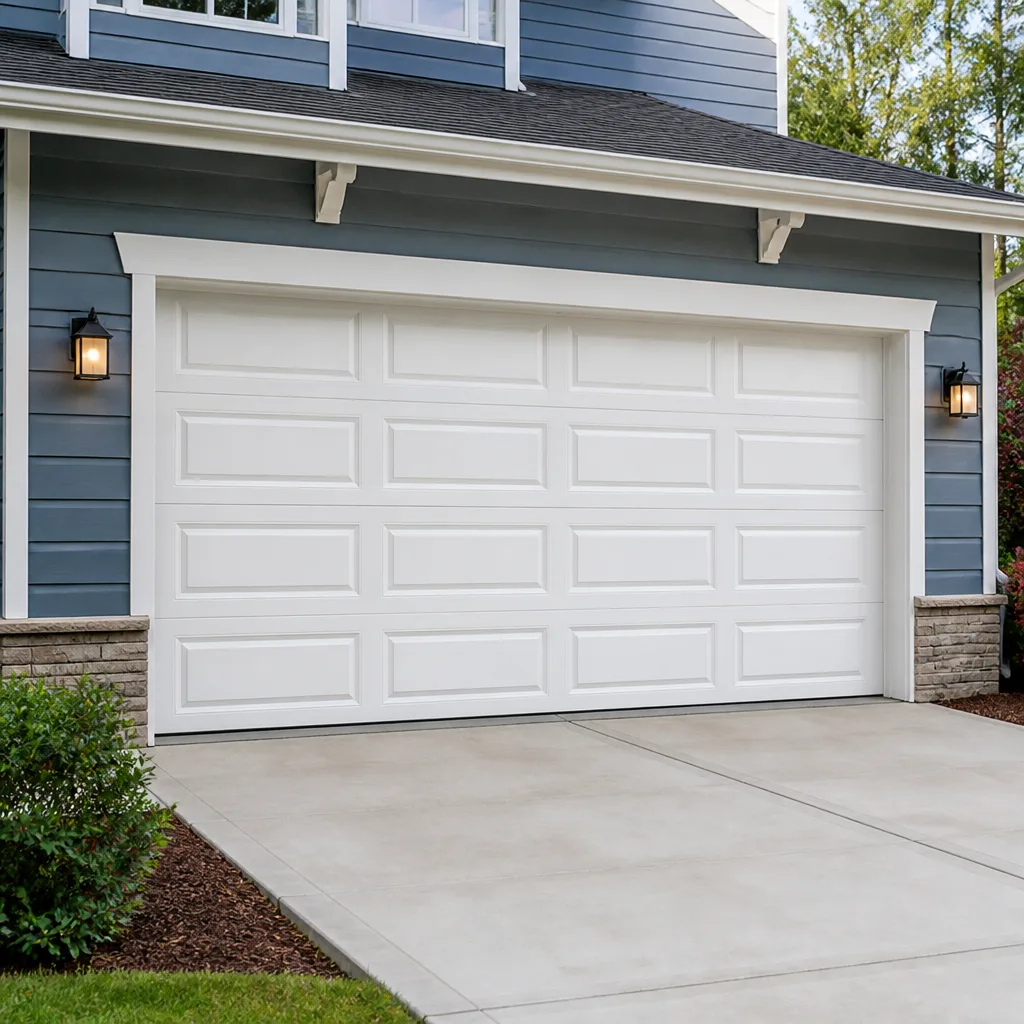 Raised-panel steel
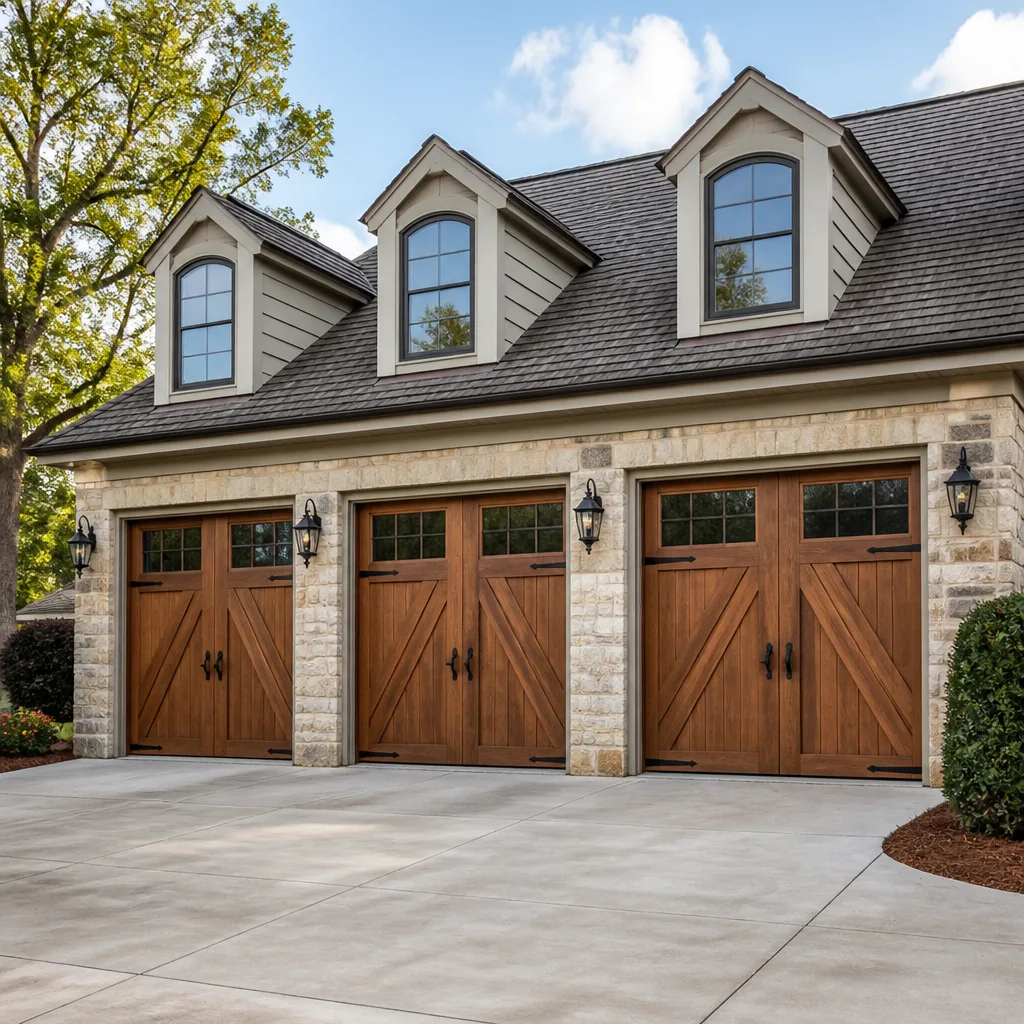 Carriage house
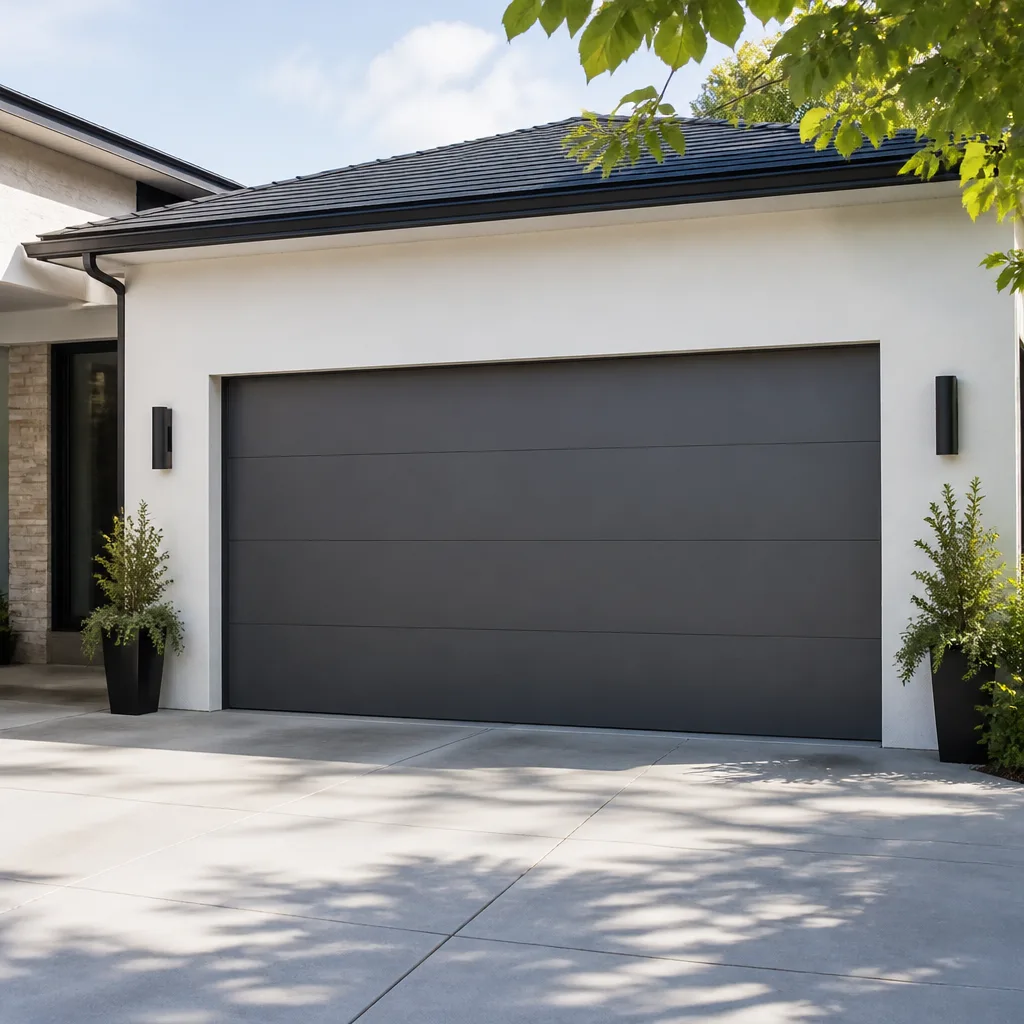 Modern flush
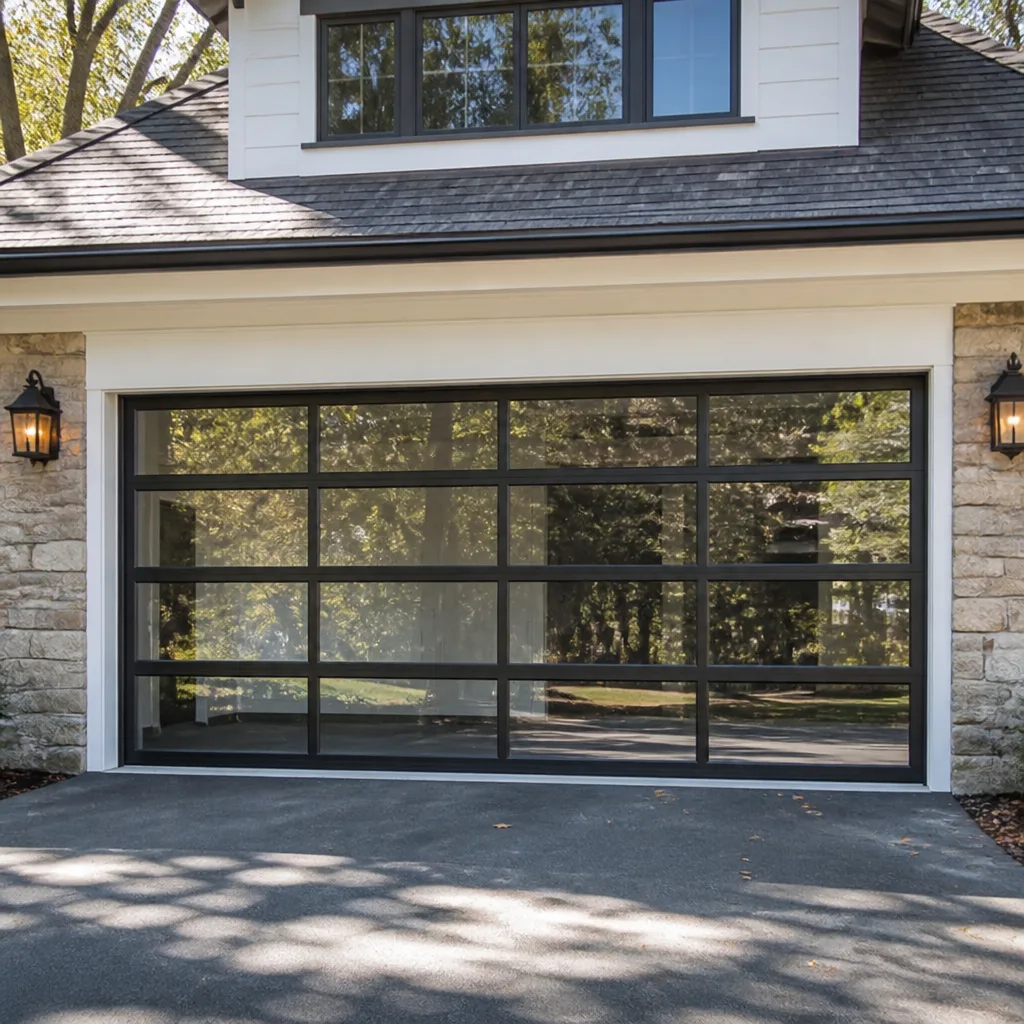 Full-view glass
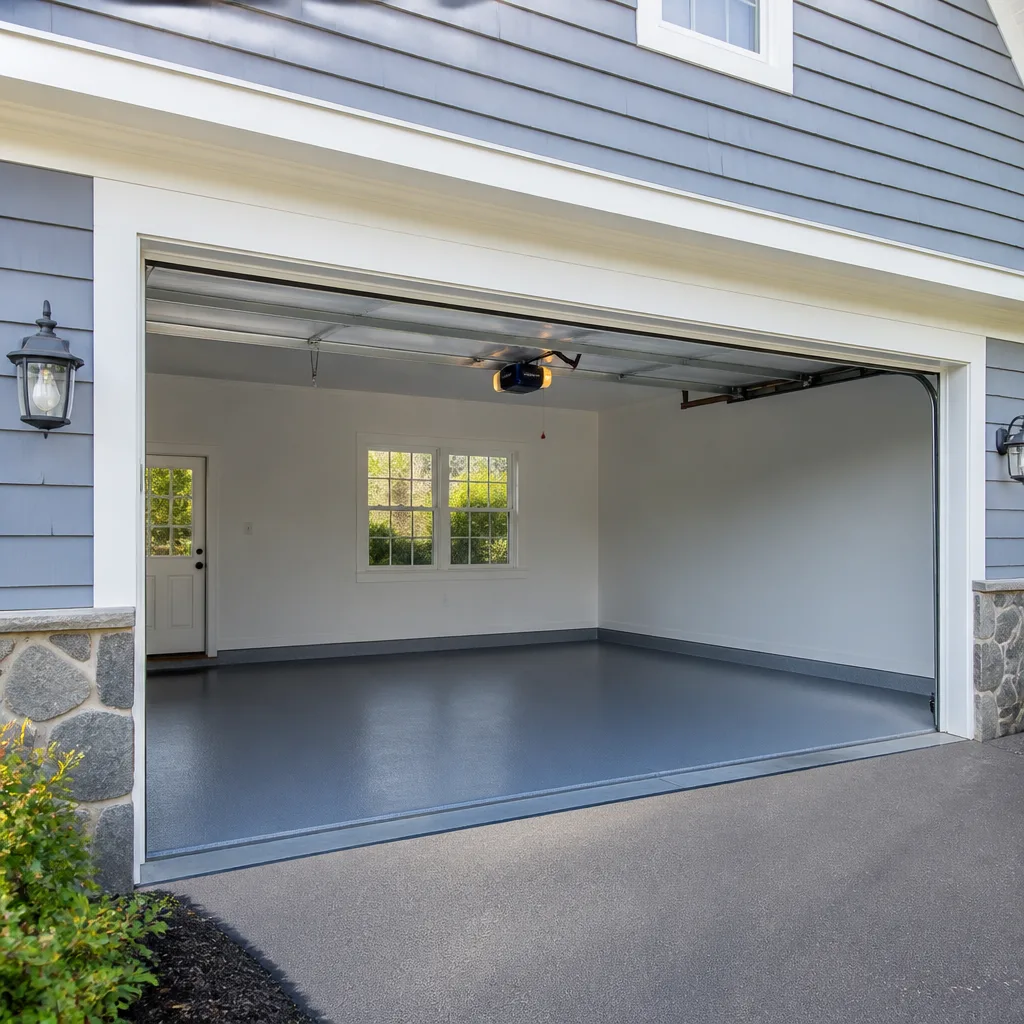 LiftMaster openers
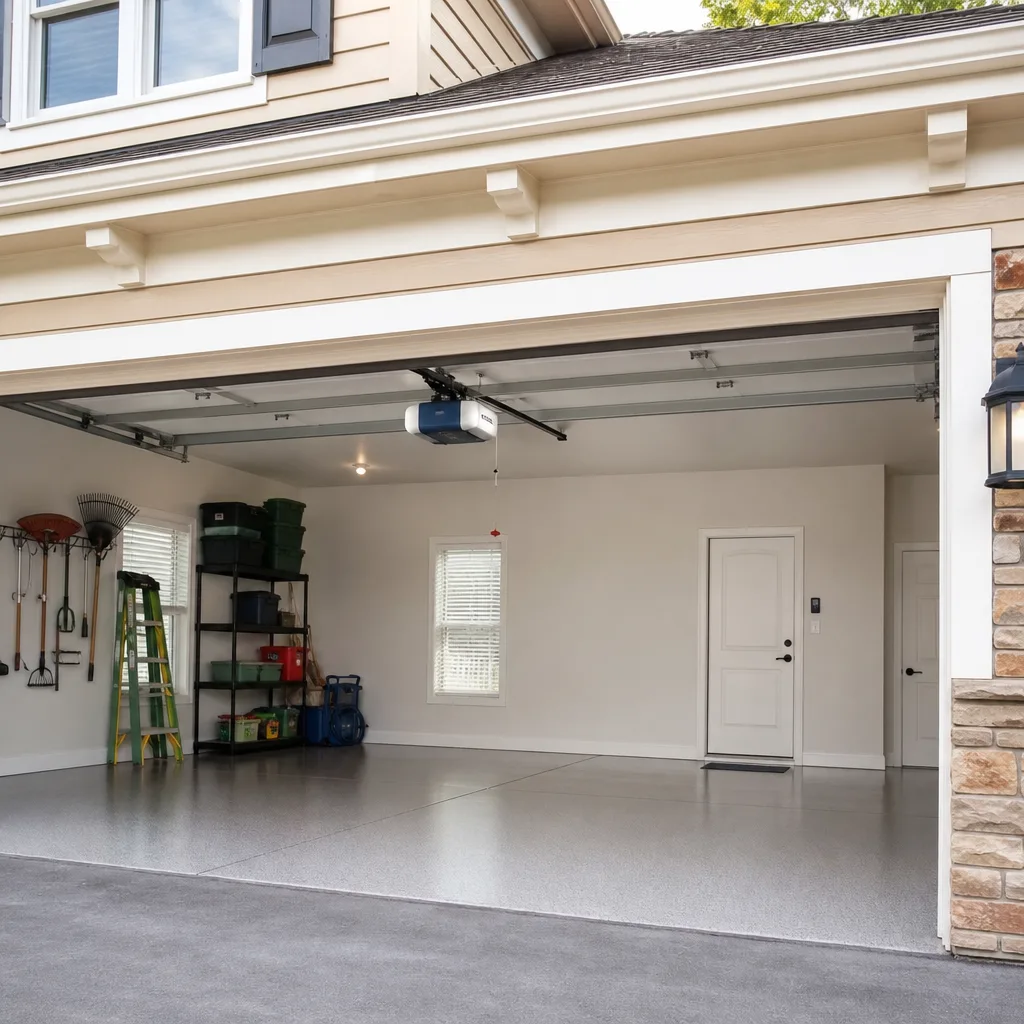 Chamberlain openers
Full 25-point door and opener safety check with every visit - springs, cables, rollers, tracks, and your LiftMaster or Chamberlain opener included
You get a price before we start. It does not change when the truck arrives.
Get your free estimateGarage Door Permits, Codes & Inspections in CA: What You Need to Know
A garage door replacement that skips a required permit can come back as an unpermitted structure flag during escrow. We’ve watched homeowners in Ontario lose thousands of dollars in sale price over a permit that would have cost under $200 at the time of installation. It’s the quietest, most avoidable compliance failure in residential property ownership. California’s Title 24 energy code, Ontario’s municipal building requirements, and the resale inspection process don’t care that you didn’t know. They care that the work was done legally, safely, and to code. This guide explains exactly when your garage door project needs a permit, what inspectors look for, how Title 24 affects your choices, and how to verify prior work before it becomes a title problem.
Styles & brands we work with
Quick Answer
In Ontario, CA, most garage door replacements that don’t alter the opening, header, or electrical wiring don’t require a building permit. However, any project that widens or structurally changes the opening, modifies the header, or installs new electrical circuits for an opener does require a permit from the City of Ontario Building Department. California Title 24 energy code applies whenever you install a new garage door with insulation, and auto-reverse safety sensors are mandatory on every opener. If you’re buying or selling, pull the permit record early; retroactive certification costs 3 to 5 times the original permit fee.
Table of Contents
- When a Garage Door Permit Is Required in Ontario, CA
- California Title 24 and Insulated Garage Doors
- City Permit vs. HOA Approval: Why You May Need Both
- What a Code-Compliant Garage Door Installation Looks Like
- How to Pull Your Own Permit Record in Ontario
- The Resale Inspection Trap: What Escrow Catches
- Common Mistakes to Avoid
- When to Call a Professional
- Frequently Asked Questions
- The Bottom Line
When a Garage Door Permit Is Required in Ontario, CA
The City of Ontario Building Department distinguishes between a door replacement and a structural alteration. Replacing a garage door with the same size door, using the existing opening and header, is considered a like-for-like replacement. No permit is required for that. But the moment you alter the opening dimensions, modify or relocate the header beam, or reframe the rough opening, you’ve crossed into structural work that requires a building permit. Ontario follows the California Building Code (CBC), which treats header changes as load-bearing modifications. If you’re widening a single-car garage door opening to fit a double door, you need engineered drawings, a permit, and a final inspection before the work is closed up.
Electrical work adds a second permit trigger. Adding a new garage door opener where no opener existed before requires an electrical permit for the new circuit and outlet. Replacing an existing opener on an existing circuit does not. The distinction matters for inspections: an inspector verifying electrical work will check grounding, GFCI protection where required, and proper cable routing. In Ontario’s older housing stock, from neighborhoods near Euclid Avenue up through the areas around the 60 freeway, we regularly see opener circuits that were never permitted in the first place. That becomes your problem if you’re the owner when the inspector shows up.
If you’re unsure whether your project crosses the threshold, call the City of Ontario Building Department directly. They’ll tell you over the phone whether your specific scope needs a permit. Better to know before the work starts than to discover it mid-inspection during a sale.
California Title 24 and Insulated Garage Doors
Title 24, Part 6 of the California Code of Regulations, sets energy efficiency standards for all new residential construction and applicable retrofits. Garage doors are explicitly addressed in Title 24 when they’re part of conditioned space or when the garage is attached to the dwelling. The practical rule: if you’re installing a new garage door on an attached garage, the door must meet minimum insulation requirements unless the garage is classified as unconditioned space. Most Ontario homes have attached garages, so this applies to the majority of replacements in the city.
The R-value method is the compliance pathway most homeowners encounter. Title 24 sets minimum R-value standards for garage doors in each of California’s climate zones. Ontario sits in Climate Zone 10, where the standard for insulated garage doors is typically R-6 minimum for the door itself when the garage is attached. Your contractor should provide documentation showing the door’s certified R-value from the manufacturer. The door label is the proof; if it doesn’t have one, the inspector can require a field verification.
Here’s what Title 24 compliance looks like in practice for a garage door installation:
- Manufacturer R-value documentation: The door must have a visible label or paperwork showing its tested R-value.
- Climate zone verification: Ontario is Climate Zone 10; the door must meet that zone’s requirement.
- Conditioned vs. unconditioned space: Attached garages are treated differently than detached garages.
- Weather sealing: Title 24 also requires proper sealing against air infiltration at the door perimeter.
We work on doors from LiftMaster, Chamberlain, and Raynor, among others, and the R-value documentation varies by manufacturer. Some brands make it easy with redundant labeling; others require pulling the spec sheet from the manufacturer’s database. A good installer will hand you this paperwork without being asked. If your installer can’t produce R-value documentation, walk away. You’ll need it at inspection, and you’ll need it again at resale.
City Permit vs. HOA Approval: Why You May Need Both
A City of Ontario building permit and a homeowners association approval are two separate processes with different jurisdictions. The city cares about safety, structure, and energy code. The HOA cares about appearance, uniformity, and architectural standards. You can have a city-approved garage door that violates your HOA’s design guidelines. You can also have an HOA-approved door that was installed without a city permit. Neither covers the other.
In Ontario, HOA-governed communities are common, from newer developments in the Ontario Ranch area to established subdivisions along Mountain Avenue. Many associations restrict garage door styles, colors, and materials. A door that meets Title 24 and all building codes might still get flagged by the HOA’s architectural review committee for being the wrong shade of white or the wrong panel pattern. The time to check HOA rules is before you buy the door, not after it’s installed.
- Check your HOA’s CC&Rs for garage door restrictions.
- Submit an architectural review application if required.
- Confirm with the City of Ontario whether a building permit is needed.
- Proceed only after both approvals are in writing.
One call to your HOA management company will tell you whether a design review is required for your project. Most associations in Ontario have straightforward procedures, but the timeline can stretch to 30 or 60 days. Factor that into your project schedule. If you’re replacing a door urgently, an HOA violation is still cheaper to resolve than an unpermitted structure flag on a title.
What a Code-Compliant Garage Door Installation Looks Like
A garage door is the largest moving object in your home. The safety standards that govern its installation exist because people have been seriously injured and killed by malfunctioning doors. The federal Consumer Product Safety Commission (CPSC) mandates auto-reverse systems on all garage door openers manufactured after 1993. California building code reinforces this with additional entrapment protection requirements. Here’s what an inspector verifies on a code-compliant installation:
- Auto-reverse mechanism: The door must reverse when it encounters resistance. Inspectors test this with a 2×4 block or equivalent object. If the door doesn’t reverse within 2 seconds, it fails.
- Photo-eye sensors: Two sensors mounted no higher than 6 inches off the floor, on each side of the door opening. They create an invisible beam that stops and reverses the door if anything crosses it while the door is closing.
- Sensor wiring: Photo-eye wiring must be low-voltage and properly secured. Exposed or spliced wiring fails inspection.
- Manual release: The emergency release handle must be visible, accessible, and red in color. It allows manual operation during a power outage.
- Balance testing: A properly balanced door holds position when released midway. An unbalanced door puts strain on the opener and creates a safety hazard.
- Reinforcement brackets: Where required, opener mounting brackets must be reinforced to prevent the opener from tearing free during operation.
These are not optional upgrades. They are code requirements in Ontario and throughout California. A door that lacks functioning photo-eyes or auto-reverse is not code-compliant and will fail any inspection, including the one your buyer’s home inspector performs during escrow.
One note on safety: the torsion springs on a garage door are under extreme tension and can cause serious injury if DIY repair goes wrong. Never disassemble spring assemblies yourself. This is work for a trained professional with proper tools and technique.
How to Pull Your Own Permit Record in Ontario
You can verify whether a prior garage door installation was permitted by pulling the permit history for your property. The City of Ontario maintains permit records through its Building Department. Here’s the process:
- Gather your property information: You’ll need the street address and, ideally, the assessor’s parcel number (APN).
- Contact the Building Department: Call or visit the City of Ontario Building Department. Ask for a permit history report for your address.
- Request specific records: Ask specifically about garage door permits, electrical permits for opener circuits, and any structural permits for opening modifications.
- Check for open permits: An open permit is one that was issued but never finalized with a passed inspection. Open permits on your record are exactly what escrow companies flag.
- Keep the documentation: If permits were properly closed, you’ll have records proving your garage door work is compliant. Store these with your home records; you’ll need them when you sell.
If you find an open permit or an unpermitted installation, don’t panic. Retroactive permitting is possible but expensive. You’ll pay the original permit fee, an investigation fee, and potentially a penalty multiplier. The total is typically 3 to 5 times what the original permit would have cost. The city will also require an inspection of the existing work, which may necessitate opening walls or exposing wiring to verify it was done to code.
The Resale Inspection Trap: What Escrow Catches
Here’s the scenario we see repeatedly in Ontario: a homeowner replaces a garage door in 2019, thinks nothing of permits, and lives happily until 2026 when they list the house. The buyer’s home inspector flags the garage door as a newer installation. The title company pulls permit records. There’s no permit on file. The buyer’s lender requires the issue to be resolved before closing. Suddenly the seller is paying for retroactive permits, inspections, and possibly corrections, all under the pressure of an escrow deadline.
This happens because escrow and title companies now routinely cross-reference visible improvements against permit records. A new garage door, a new opener, or a widened opening are all obvious to a home inspector. The inspector doesn’t need to prove the work was unpermitted; they just need to note that the improvement exists and that no permit is on record. The burden shifts to the seller to prove compliance.
The cost difference is stark. A simple garage door replacement permit in Ontario is a modest fee. The retroactive permit, investigation, and re-inspection can easily run several times that amount, and that’s if the work was done correctly in the first place. If the work fails inspection, you’re paying for repairs on top of the permit fees. And the buyer’s leverage in negotiations just increased substantially knowing you have a compliance problem.
This is the compliance gap unique to California’s Title 24 environment: the code is rigorous, the enforcement during installation is spotty, and the enforcement during resale is unforgiving. The gap between those realities catches homeowners off guard years after the work is done.
Common Mistakes to Avoid
- Assuming a door replacement never needs a permit: Like-for-like replacements don’t, but any alteration to the opening or header does. Know which category your project falls into before you start.
- Ignoring Title 24 insulation requirements: Installing an uninsulated door on an attached garage in Ontario can fail energy code compliance. Check R-value requirements for Climate Zone 10 before you buy.
- Skipping HOA approval: An HOA violation won’t show up on a title, but it will show up in a demand letter from your association’s attorney. Get design review first.
- Wiring a new opener without an electrical permit: A new circuit is electrical work. Electrical work needs a permit. Don’t let a handyman convince you otherwise.
- Disabling photo-eye sensors: Some homeowners disable photo-eyes because they find them annoying. This is a safety code violation and will fail any inspection.
- Hiring an unlicensed installer: In California, any contractor performing work over $500 must hold a state contractor’s license. An unlicensed installer can’t pull permits, which means your work is automatic.
- Waiting until escrow to check permit status: Pull your permit record before you list. Knowledge is leverage; discovering a problem during escrow is a fire drill.
When to Call a Professional
Certain garage door scenarios absolutely require a professional. If your project involves a structural alteration to the opening or header, you need a licensed contractor who can coordinate engineered drawings and permits. If you’re installing a new opener with new electrical, you need someone who understands Ontario’s electrical code requirements. If you’re replacing an insulated door on an attached garage and need Title 24 documentation, a professional will have that paperwork ready. And if you’ve discovered unpermitted prior work during a sale, don’t try to resolve it alone; the city’s retroactive permitting process is navigable but bureaucratic. The right contractor handles it efficiently. Garage Door Installation in Ontario covers all of these scenarios. Cobblestone Garage Door Repair offers free estimates in Ontario, and we’ll tell you straight whether you need a permit for your project. Call (866) 667-5857.
Beyond permits, professional installation matters for safety. A garage door is heavy, spring-loaded, and unforgiving. The torsion spring holds enough tension to cause catastrophic injury. The auto-reverse and photo-eye systems must be calibrated correctly. If any of this makes you uncomfortable, it should. This is precisely the kind of work where hiring a pro isn’t a luxury; it’s the sane choice. Our Garage Door Repair in Ontario service handles everything from spring replacement to full door recalibration. And if your opener is the issue, Garage Door Opener Repair in Ontario covers drive systems, safety sensors, and smart-home integration on all major brands.
Frequently Asked Questions
Not if it’s a like-for-like replacement using the existing opening and header. A permit is required only when the opening is altered, the header is modified, or new electrical work is added. Call (866) 667-5857 for a free assessment of your specific project.
Ontario is in Climate Zone 10, where attached garage doors typically require a minimum R-6 insulation value to comply with Title 24. Your contractor should provide manufacturer documentation proving the door’s certified R-value. Estimates are free, and we’ll verify your compliance requirements before you buy.
Replacing an existing opener on an existing circuit doesn’t require a permit. Installing a new opener where no circuit exists does require an electrical permit. If you’re unsure, call the City of Ontario Building Department or call us at (866) 667-5857 and we’ll tell you what applies.
Contact the City of Ontario Building Department and request a permit history report for your address. Look specifically for garage door and electrical permits that are marked as closed with a final inspection passed. Open permits are the red flags that trigger escrow problems.
You’ll likely need to retroactively permit the work, pay penalty fees, and pass an inspection before closing. The cost is typically 3 to 5 times the original permit fee. Starting early gives you time to resolve issues before the buyer’s deadline.
Depends on your HOA. Many Ontario HOAs restrict garage door style and color and require architectural review before installation. Check your CC&Rs or call your association management company. HOA approval is separate from a city building permit; you may need both.
The Bottom Line
Garage door projects in Ontario are easy to do wrong and expensive to fix. A like-for-like replacement with no opening changes and no new electrical work is a permit-free project. Everything else deserves a phone call to the city and a conversation with your HOA. Title 24 matters for insulated doors on attached garages, and the documentation is your responsibility to keep. If you’re planning to sell, pull your permit record before you list and resolve any issues early. And if you’re installing a door, opener, or both, choose a contractor who understands Ontario’s code requirements and won’t leave you with a compliance problem that surfaces at the worst possible moment. For an honest assessment of your garage door project and its permit implications, call (866) 667-5857. We’ll tell you exactly what you need, whether or not you hire us for the work.
For more on what we do, visit the Cobblestone Garage Door Repair home page or explore our service areas for Garage Door Repair in Ontario, Garage Door Opener Repair in Ontario, and Garage Door Installation in Ontario.
Written by the team at Cobblestone Garage Door Repair, serving Ontario since 2016.
See the difference
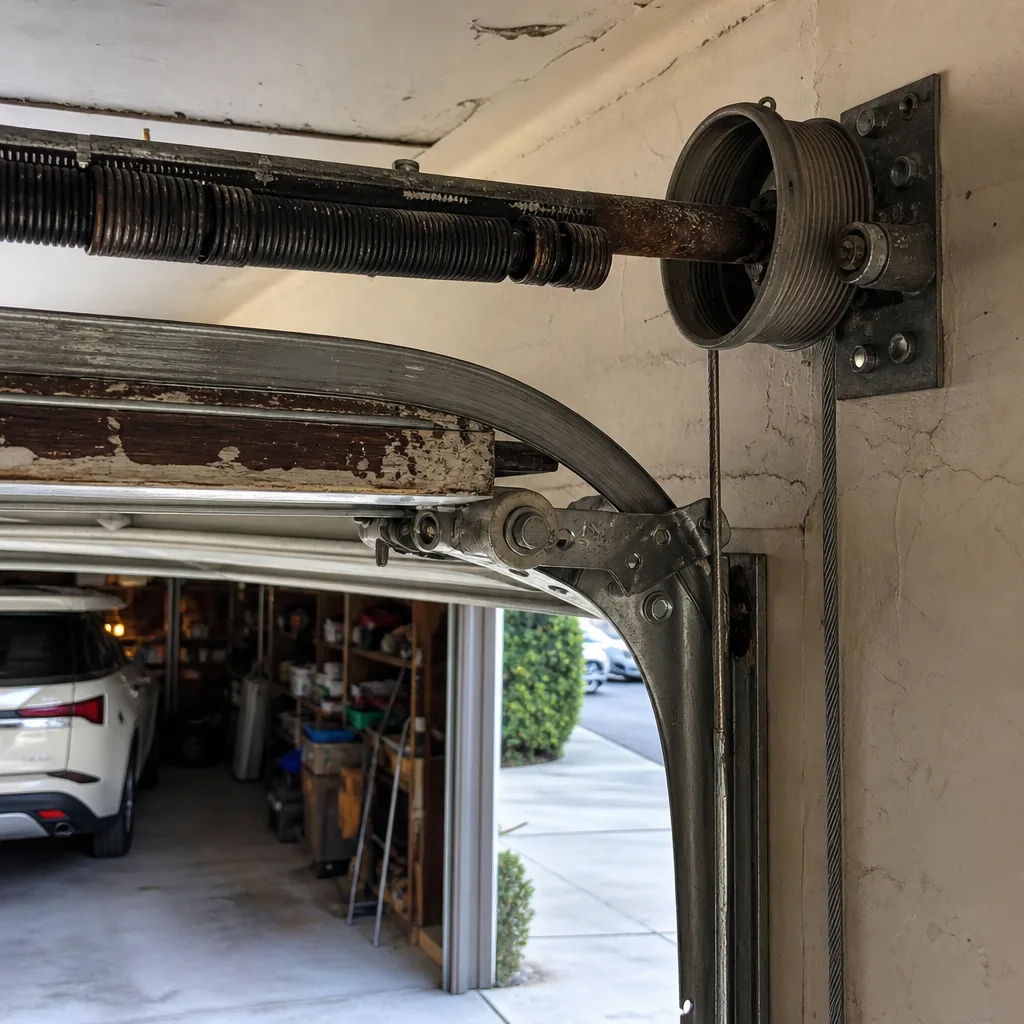 Before
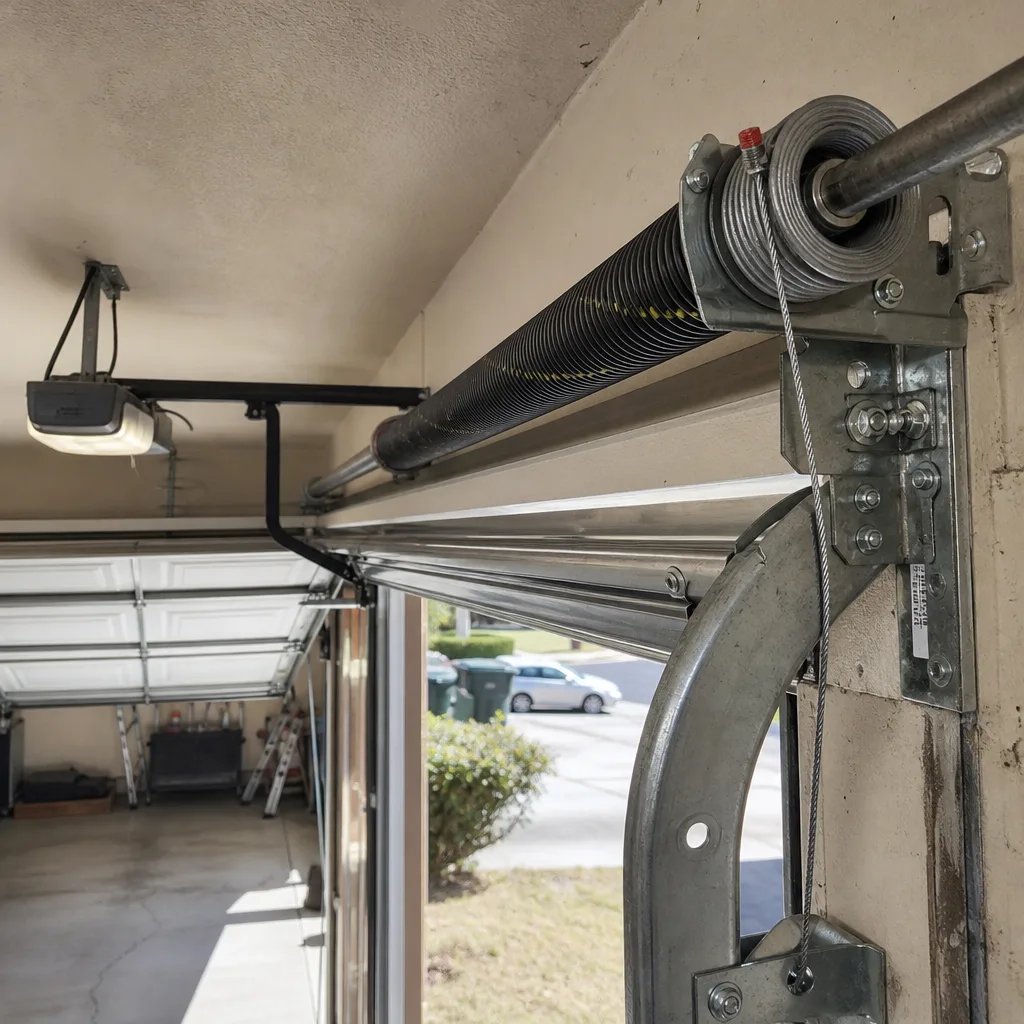 After
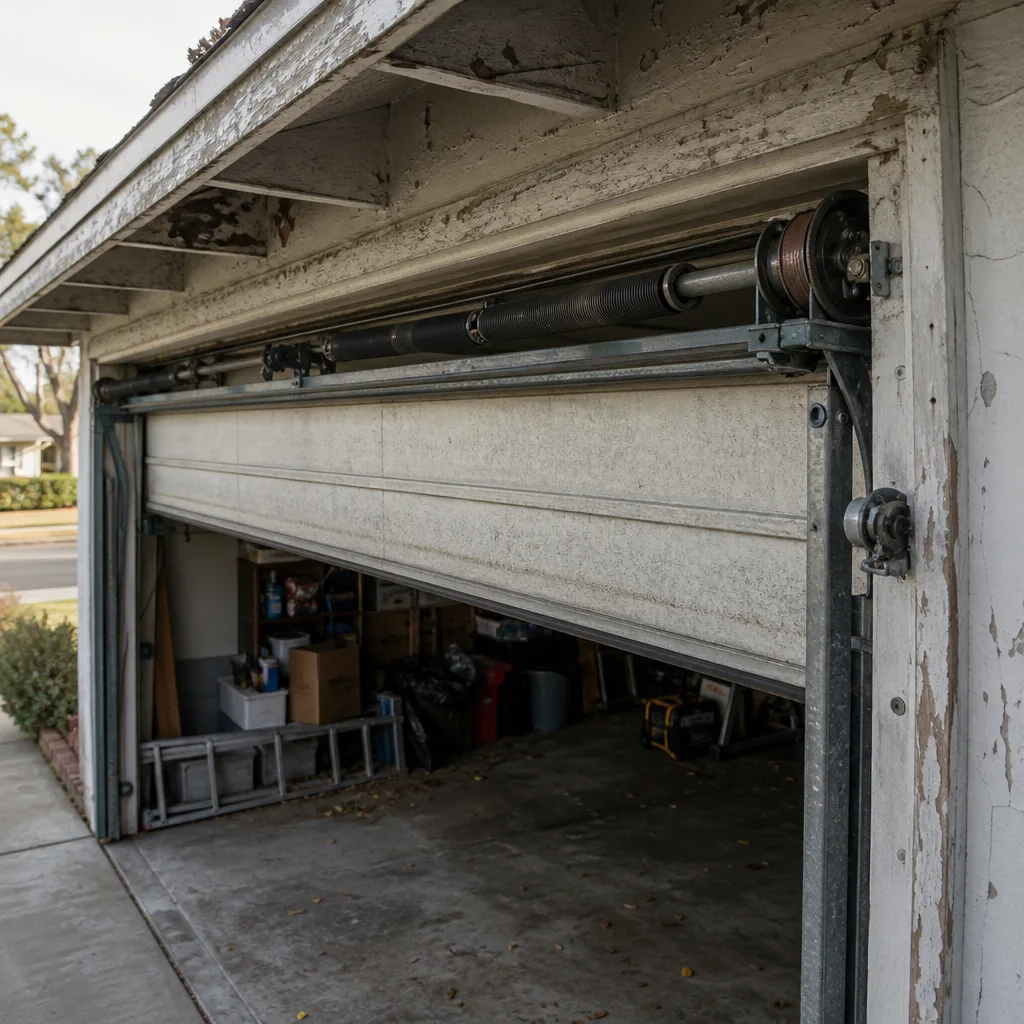 Before
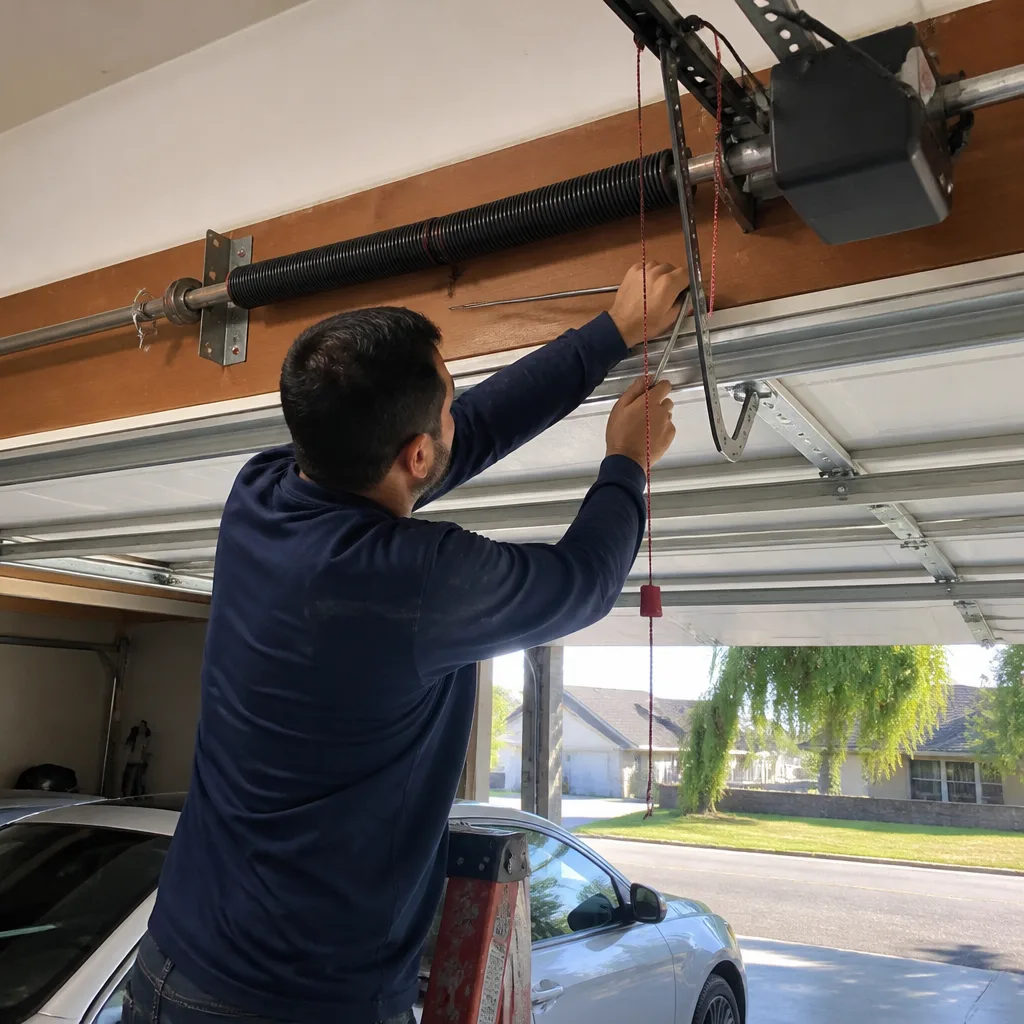 After
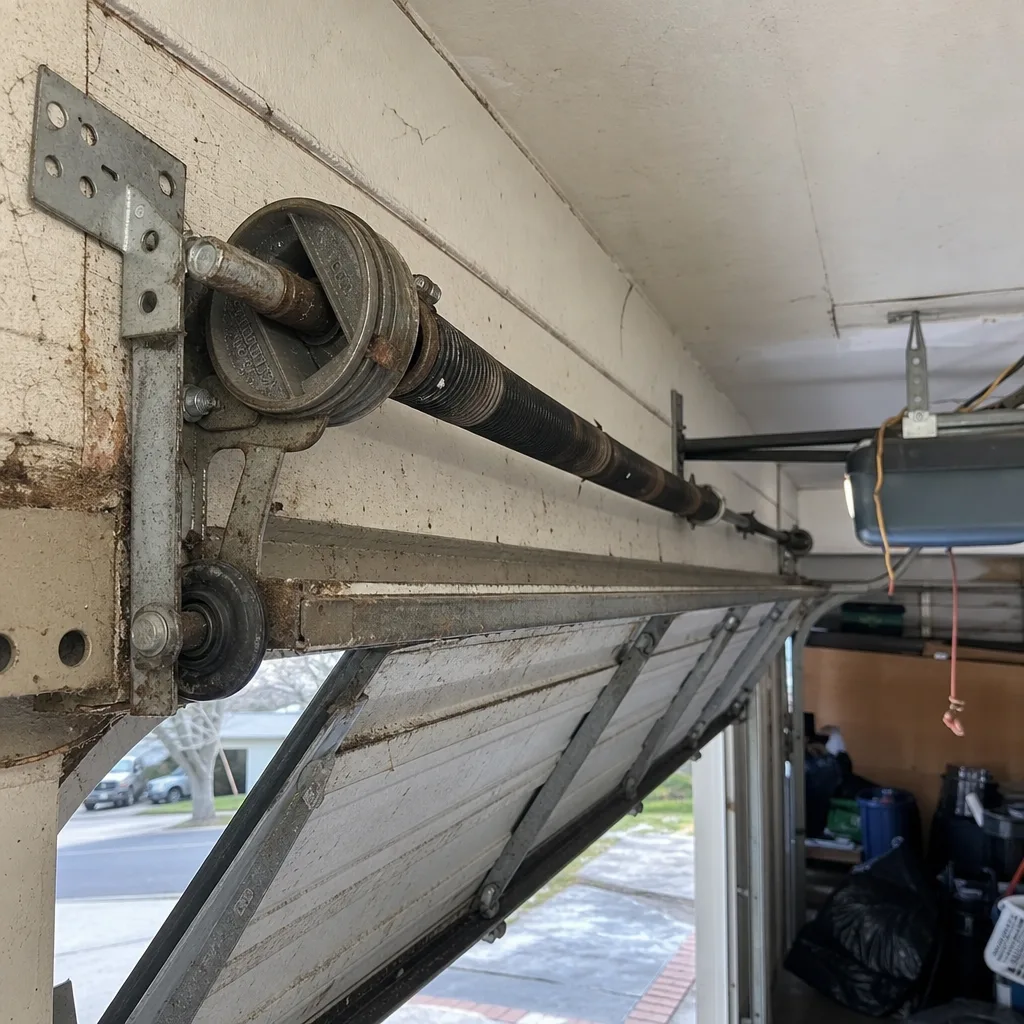 Before
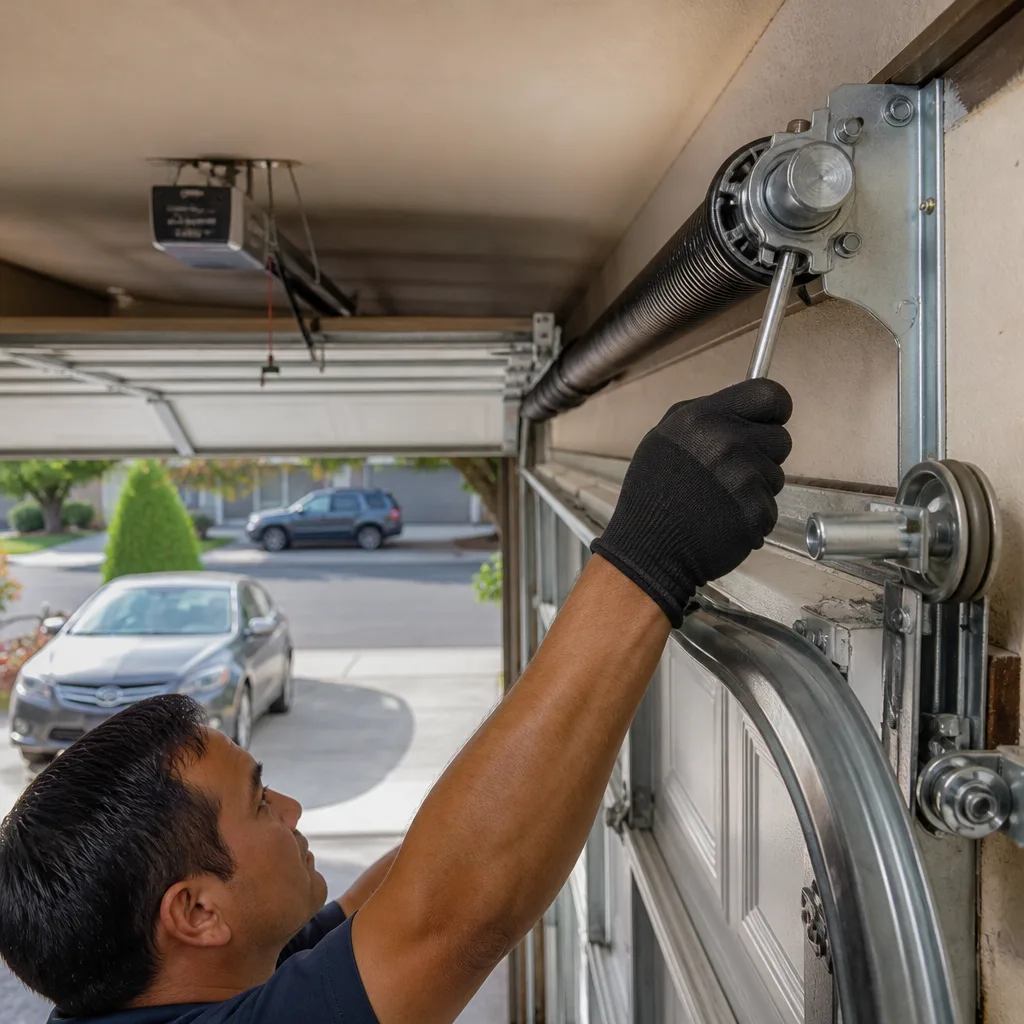 After