
Last updated October 30, 2026
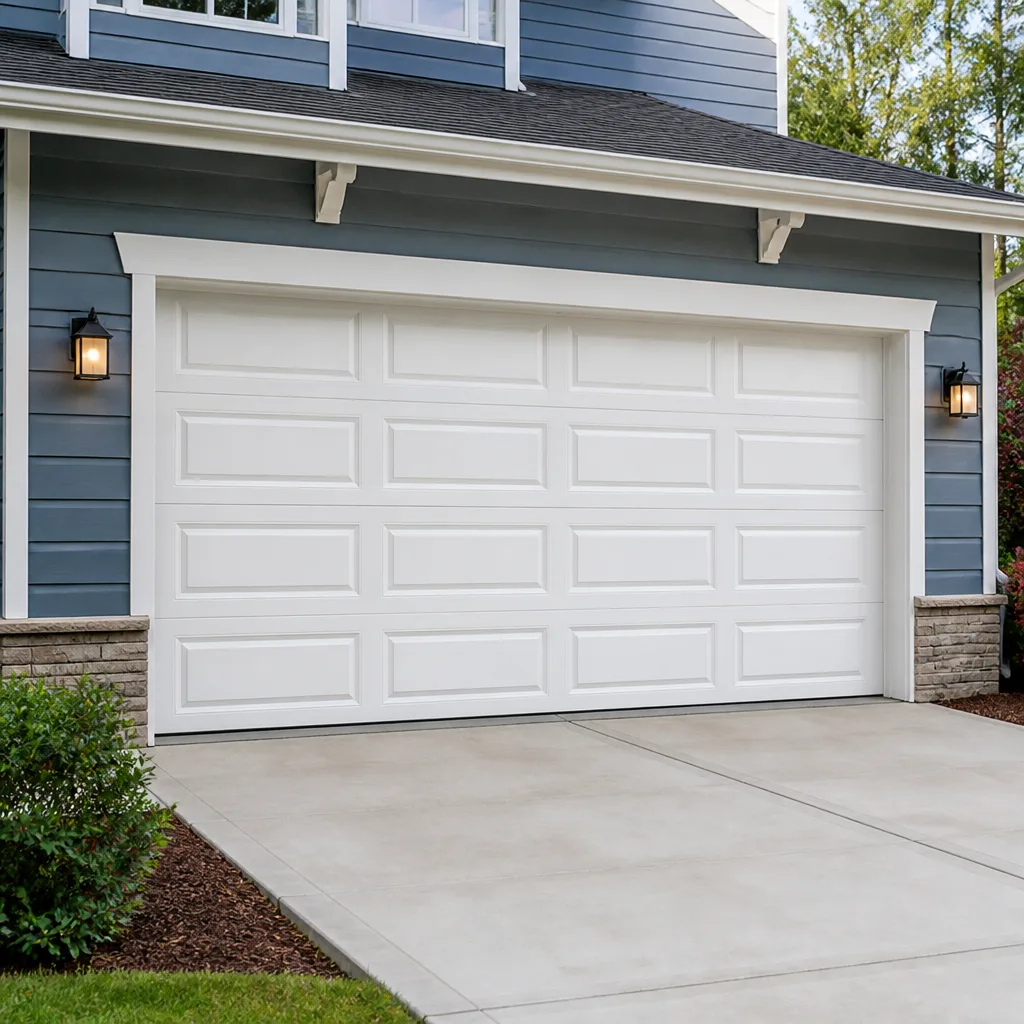 Raised-panel steel
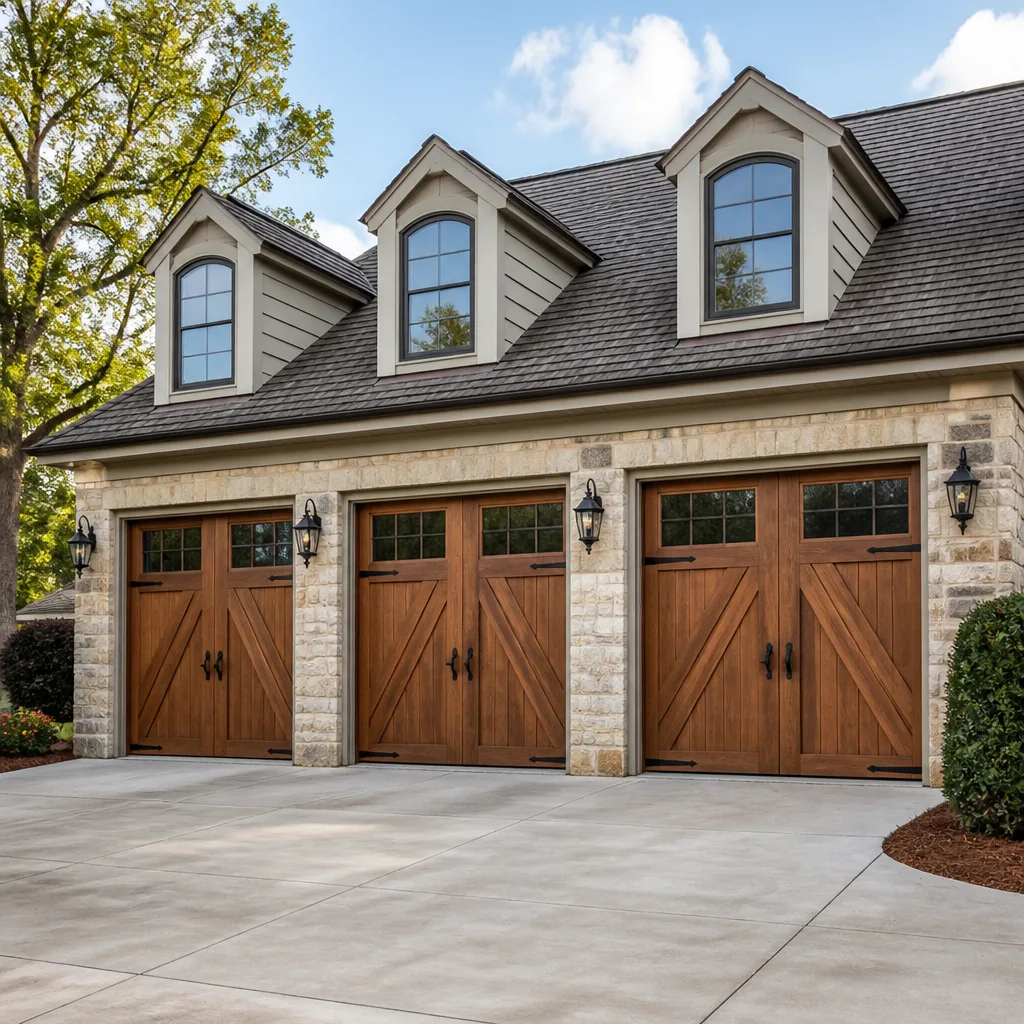 Carriage house
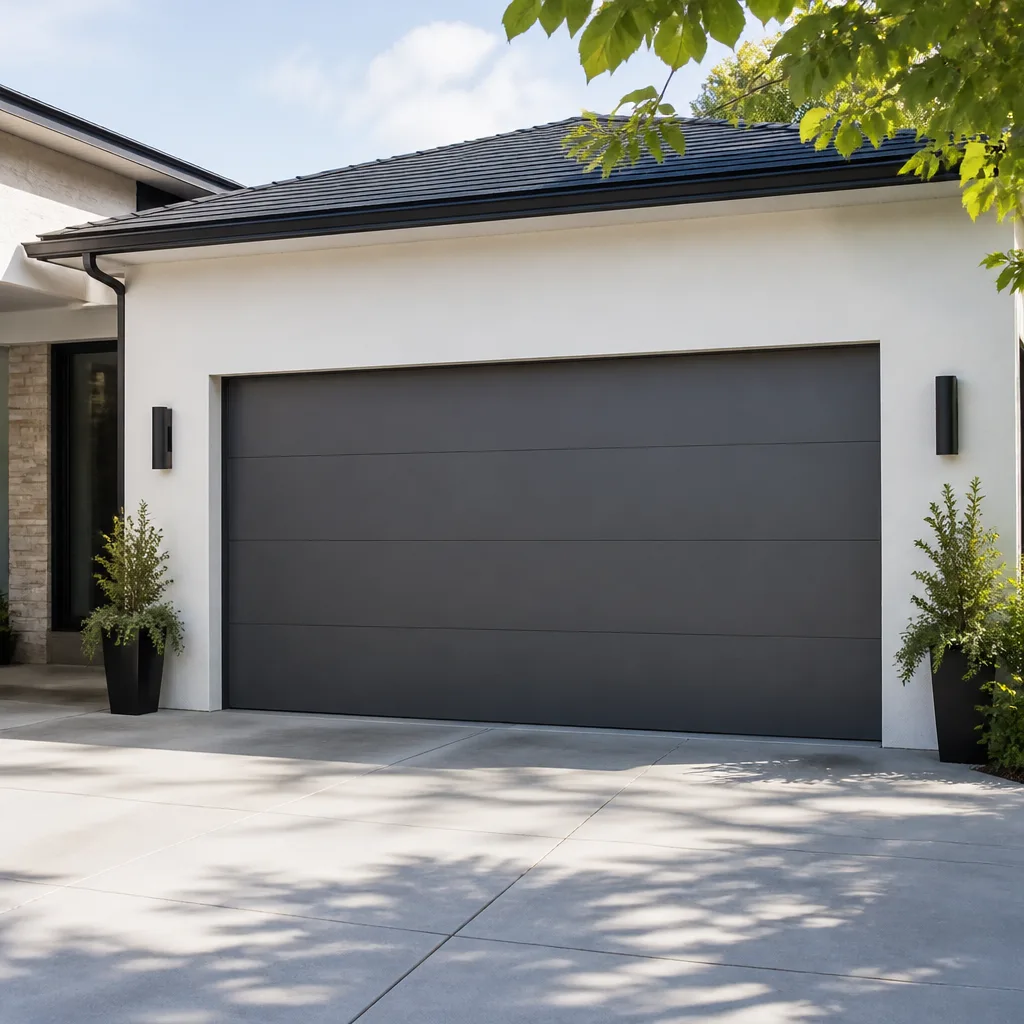 Modern flush
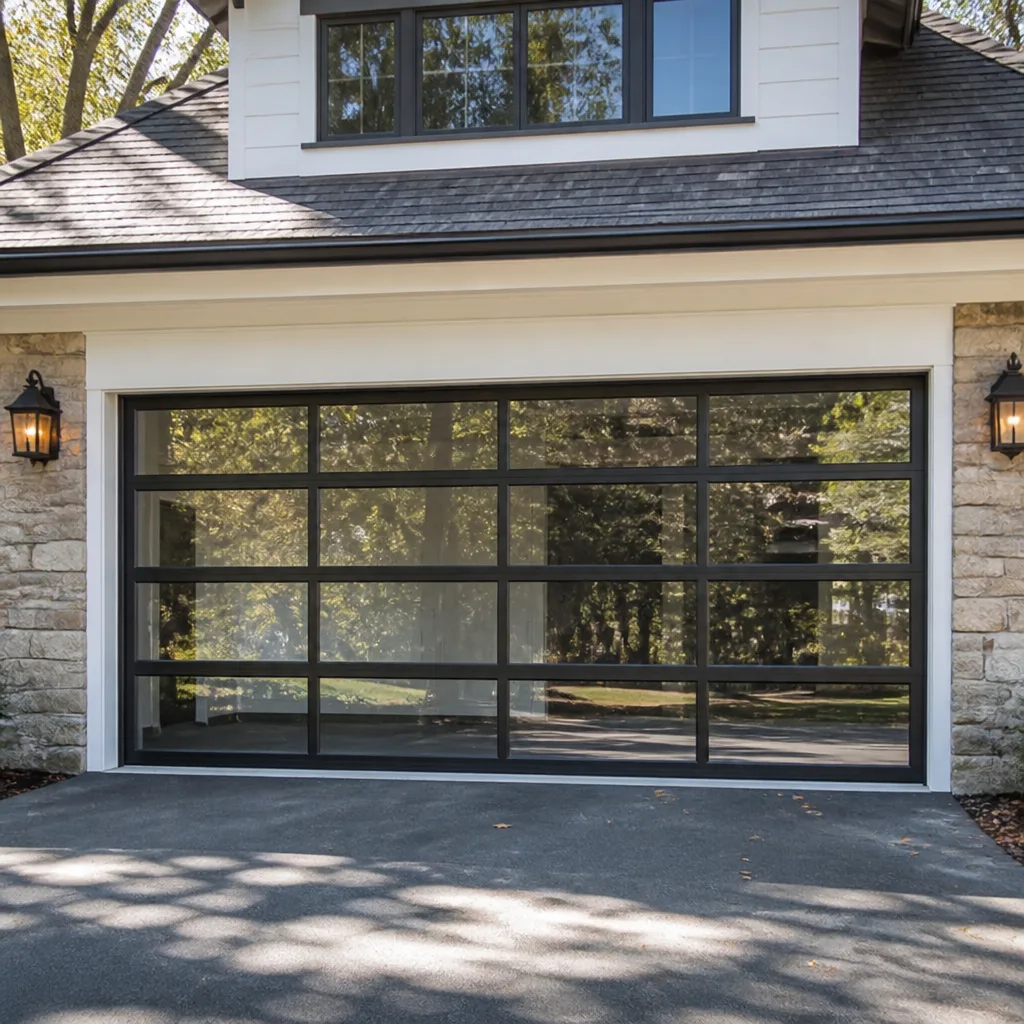 Full-view glass
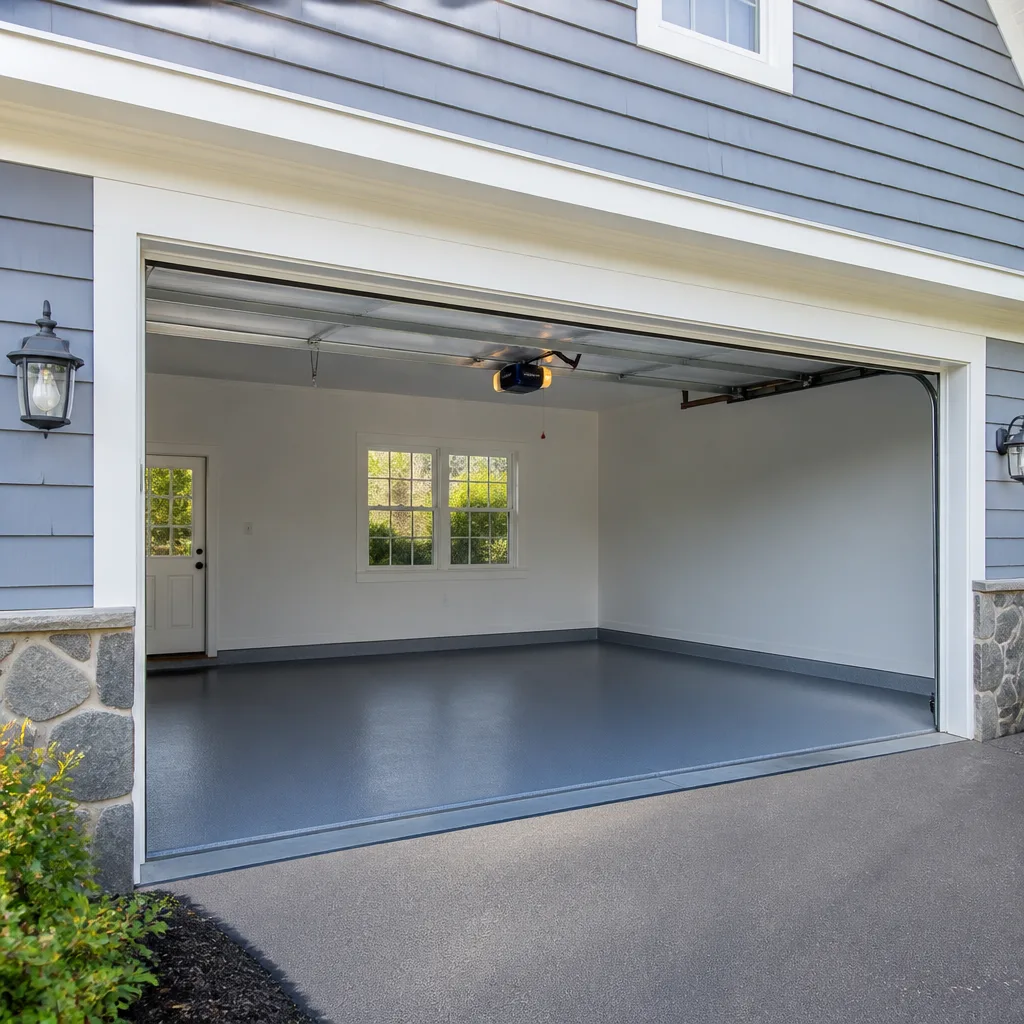 LiftMaster openers
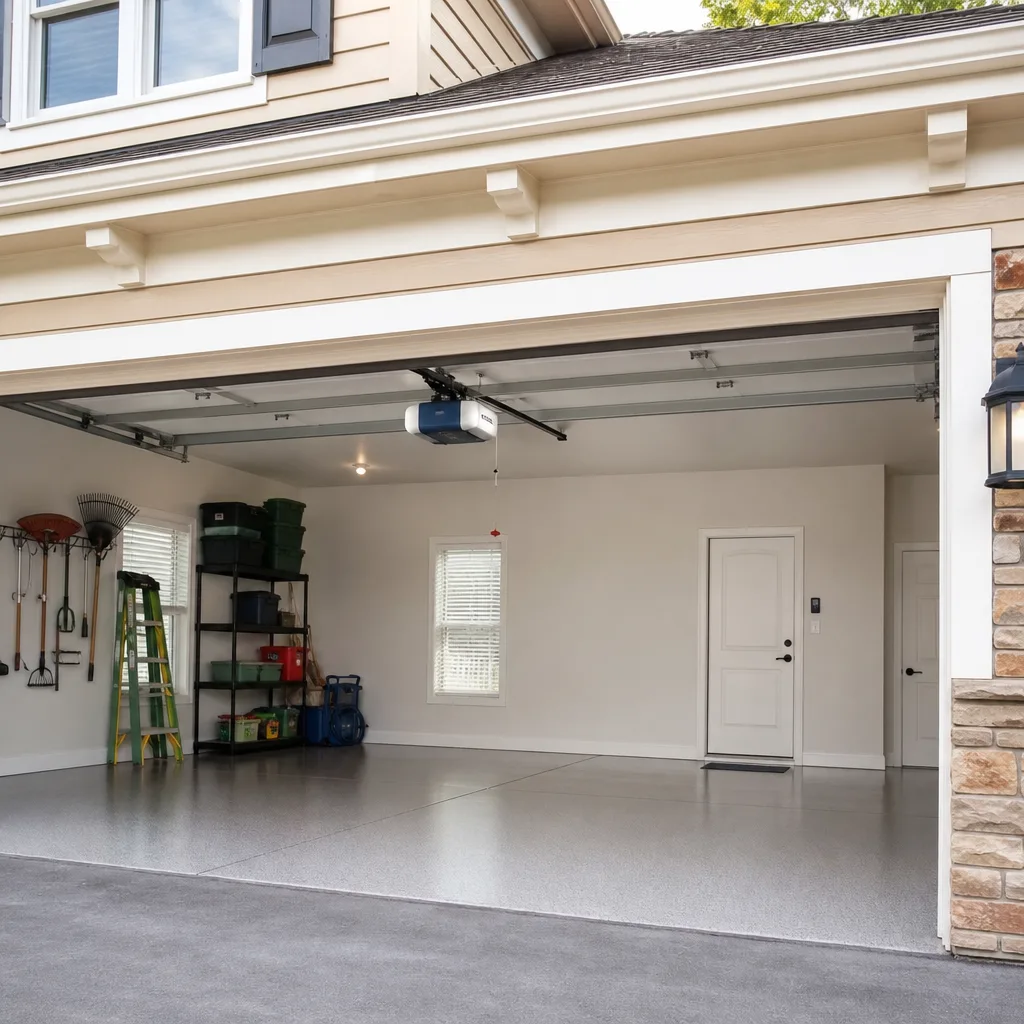 Chamberlain openers
Full 25-point door and opener safety check with every visit - springs, cables, rollers, tracks, and your LiftMaster or Chamberlain opener included
You get a price before we start. It does not change when the truck arrives.
Get your free estimateGarage Door Repair Troubleshooting: Common Problems and How to Fix Them
A garage door that reverses before it hits the floor isn’t broken. It’s doing exactly what it was programmed to do. The problem is the setting, the sensor, or the photo-eye alignment, not the door itself. Replacing hardware because of it is one of the most common unnecessary service calls we see across Ontario. This guide walks you through tracing symptoms back one step further, so you understand what’s actually wrong before you touch anything.
Quick Answer
Garage door troubleshooting follows a simple order: identify the symptom, rule out the cheapest and most common causes first, check safety mechanisms before mechanical parts, and never adjust spring tension without knowing what you’re looking at. Most problems fall into five categories: sensor issues, track misalignment, opener settings, worn rollers, or spring fatigue. The majority of fixes take under an hour once the root cause is identified correctly.
Styles & brands we work with
Table of Contents
- The Symptom-to-Cause Decision Tree: Why the Same Problem Has Six Different Fixes
- Safety Sensor Problems: The Most Misdiagnosed Issue in Ontario Homes
- How to Safely Test Spring Tension Without Releasing It
- Opener Error Codes Decoded: What Your Machine Is Actually Telling You
- Grinding, Squealing, and Rattling: Tracing Noises Back to Their Real Source
- The Intermittent Problem That Isn’t Actually Intermittent
- The Five-Minute Safety Inspection Before Any Adjustment
- Common Mistakes to Avoid
- When to Call a Professional
- Frequently Asked Questions
- The Bottom Line
The Symptom-to-Cause Decision Tree: Why the Same Problem Has Six Different Fixes
Here’s the thing most troubleshooting guides miss: a symptom is not a diagnosis. “The door won’t close” tells you nothing about whether you need new sensors, adjusted limits, cleaned tracks, or a replacement logic board. In our service calls across Ontario, we regularly see homeowners who’ve replaced rollers, only to find the real problem was a bent track wearing them out. That’s the expensive way to repair a garage door.
Think of it this way. Every symptom branches into multiple possible causes, and each cause needs a different fix. Here’s the decision tree for the most common complaints:
Door Won’t Close
- Photo-eye sensors blocked or misaligned: clean lenses, realign, check wiring
- Close-force setting too low: adjust the force dial on the opener motor
- Track obstruction: inspect for debris, bent sections, or loose brackets
- Travel limit set incorrectly: reset the down-limit on the opener
- Broken extension spring or cable: visually inspect springs and cables for separation
- Door out of balance: test manually by disconnecting the opener and lifting by hand
Door Won’t Open
- Opener disconnected: check the emergency release cord
- Broken torsion spring: look for a visible gap in the spring above the door
- Stripped gear inside the opener: listen for the motor running without movement
- Remote signal failure: test the wall button before assuming remote problems
- Dead batteries in remote or keypad: replace and retest
Door Reverses Mid-Travel
- Photo-eye alignment shifted: check if the sensor lights are steady
- Force sensitivity too high: lower the force setting incrementally
- Track binding at a specific point: watch the rollers as the door moves
- Roller friction from worn bearings: inspect rollers for flat spots or wobble
Each of these causes requires a different repair approach. Replacing a logic board when the problem is a dirty sensor is a $250 fix for a $0 problem. Tracing the cause back first is what separates a durable repair from a patch job.
If you’re in Ontario and want a diagnosis without guessing, Garage Door Repair in Ontario from Cobblestone covers the full decision tree, not just the first branch.
Safety Sensor Problems: The Most Misdiagnosed Issue in Ontario Homes
Safety sensors, also called photo-eyes, are the small units mounted about six inches off the floor on either side of your garage door. They send an invisible beam across the opening. If anything breaks that beam while the door is closing, the door reverses. That’s not a malfunction. That’s the system working as designed.
In Ontario, where garage doors cycle more frequently during hot summers when people use garages as workshops or extra living space, sensor problems spike in July and August. The heat can cause slight expansion in mounting brackets, and the extra foot traffic means more bumps against sensor housings.
Here’s how to diagnose sensor issues in order of likelihood:
- Check the indicator lights. Most sensors have a small LED. A steady green or amber light means aligned and receiving. A blinking or dark light means misalignment or power issue.
- Look for obstructions. Even a leaf, a cobweb with enough dust, or a stray garden tool leaning against the wall can break the beam. Ontario’s dry, dusty summers make lens buildup common.
- Inspect alignment. Sensors should face each other directly. A slight bump can knock one off axis. Adjust until the indicator light steadies.
- Check the wiring. Exposed wires along the track can get pinched or chewed. In Ontario, rodents seeking shelter in warmer months are a real factor.
- Test with the wall button. Hold the wall button down. If the door closes when you do this, it confirms the sensors are the issue, not the motor or limits.
One thing people often miss: sun interference. In certain orientations, direct morning or evening sunlight hitting the sensor lens can overwhelm the receiver. If your door refuses to close only at specific times of day, shade the sensor with a piece of cardboard as a test. A permanent fix is a small sun shield or repositioning the sensor slightly.
Sensor problems are among the most common calls we handle on Garage Door Opener Repair in Ontario. Often the fix takes ten minutes. But understanding why it happened prevents the repeat call.
How to Safely Test Spring Tension Without Releasing It
Spring diagnosis is where most homeowners either skip a critical step or do something dangerous. Torsion springs are under enormous tension. We’re not going to give you step-by-step instructions for adjusting them, because that’s genuinely dangerous work that belongs to a trained professional with the right winding bars and experience. What we will show you is how to test whether your springs are doing their job without touching them under load.
The test is simple. Pull the emergency release cord to disconnect the opener from the door. Now lift the door manually by its handle or bottom edge.
- Lift the door to about waist height and let go. A properly balanced door will stay roughly in place. It might drift slightly, but it won’t slam down or fly up.
- If the door drops hard, the springs have lost tension or broken. The opener motor has been compensating for the extra weight, which shortens its life.
- If the door shoots up, the springs are over-tensioned. This is less common but puts stress on the cables and rollers.
- If the door feels unusually heavy throughout the motion but opens manually, spring fatigue is likely. Springs weaken over cycles, and in Ontario’s climate, temperature swings between summer and winter accelerate metal fatigue.
- Check both springs visually. On a two-spring system, one broken spring often hides behind the intact one. Look for a visible gap in the coil, typically about two inches wide.
Here’s the diagnostic insight most people miss: a door that opens fine with the opener but feels heavy manually tells you the opener is doing extra work. That’s not sustainable. The opener wasn’t designed to lift a door with compromised springs. Continue running it and you’ll replace a $350 opener instead of a $200 spring.
If the manual test reveals an imbalance, stop using the door. Every cycle with a bad spring adds wear to rollers, hinges, tracks, and the opener itself. The repair becomes more expensive the longer you wait.
Cobblestone Garage Door Repair works on spring systems across LiftMaster, Genie, Clopay, and Amarr doors, and our technicians in Ontario can diagnose spring fatigue in one visit. But the manual balance test above is something every homeowner should know how to do.
Opener Error Codes Decoded: What Your Machine Is Actually Telling You
Modern openers have onboard diagnostics. The flashing lights you see aren’t random. They’re codes. In Ontario, the most common openers we service are Chamberlain, LiftMaster, Genie, and Craftsman, and each brand has its own diagnostic language.
Here’s what the most common codes mean:
Chamberlain and LiftMaster (they share the same parent company and use similar logic)
- One flash: Sensor wire issue or sensor obstruction. Check alignment and wiring.
- Two flashes: Sensor misalignment. The beam isn’t reaching the receiver.
- Three flashes: Door control or wiring short. Check the wall button and its wires.
- Four flashes: Sensor problem. Realign or replace sensors.
- Five flashes: Motor overheating. Let it cool, then test again.
- Up arrow flashing: Travel limit needs resetting. The opener forgot where “up” is.
- Down arrow flashing: Travel limit needs resetting for the down position.
Genie
- Red light blinking twice: Sensor misalignment or obstruction.
- Red light blinking three times: Reversal system triggered. Check for binding in the door travel.
- Red light blinking four times: Sensor wiring fault.
Craftsman
- One blink: Sensor wire short or open circuit.
- Two blinks: Sensor misalignment.
- Five blinks: Motor circuit failure. This typically needs replacement of the logic board or motor.
Your opener is the brain of the system. When it throws a code, it’s telling you where to look. Ignoring the code and replacing hardware based on a guess is how people end up with a new opener when they needed a ten-dollar sensor wire.
We carry diagnostic experience across these brands and others, including Wayne Dalton and Raynor openers, so if you’re in Ontario and your opener is flashing something you don’t recognize, Garage Door Opener Repair in Ontario covers the decode and the fix.
Grinding, Squealing, and Rattling: Tracing Noises Back to Their Real Source
Noise is the symptom homeowners most often misread. A grinding sound gets new rollers installed without checking whether the track is bent and causing the grinding in the first place. Squealing gets sprayed with lubricant when the real issue is a failing bearing. The noise tells you something is wrong. What it doesn’t tell you is what.
Here’s how we trace common garage door noises to their actual source:
- Grinding or metallic scraping: Most often a bent track section or a roller rubbing where it shouldn’t. Replace the rollers and the noise comes back in three weeks because the track is still bent and destroying the new rollers.
- High-pitched squeal during movement: Usually a dry or failing roller bearing. Sometimes the hinge points need lubrication. If the squeal persists after lubricating, the bearing is worn and the roller needs replacing.
- Rattling when the door moves: Loose hardware. Bolts and nuts on hinges, track brackets, and the opener mounting points vibrate loose over time. In Ontario, seasonal temperature swings expand and contract metal, loosening hardware faster than in more stable climates.
- Grinding from the opener unit itself: A stripped gear inside the opener. The motor runs but the drive gear has worn down. This is common on older Chamberlain and Craftsman units with plastic gears.
- Thumping or banging during operation: A section hinge is binding, or the door is slightly out of balance and transferring impact force to the tracks.
The pattern matters. A noise that happens at the same point during every cycle points to a specific location: a bent section of track, a flat-spotted roller, a hinge binding. A noise that’s constant throughout the cycle points to a systemic issue: worn rollers across all positions, general track misalignment, or an unbalanced door.
In our experience across Ontario, the most common noise-related misdiagnosis is the bent track case. The homeowner hears grinding, replaces rollers, and the noise returns within months. The track was the problem the whole time. That’s the difference between a repair that lasts two months and one that lasts ten years.
If you’re dealing with a noise you can’t pinpoint, a diagnostic visit from a technician who works across multiple door brands means you’re not getting a roller salesman. You’re getting someone who’ll tell you what’s actually wrong. That’s the standard behind Garage Door Repair in Ontario from Cobblestone.
The Intermittent Problem That Isn’t Actually Intermittent
Intermittent problems are the most frustrating category for homeowners. The door works fine for three weeks, then refuses to close on a Tuesday morning. The opener responds to the remote in the driveway but not from the street. The sensor light is steady when you check it, then blinks mysteriously later. It feels random. It rarely is.
Most “intermittent” garage door problems have a consistent trigger that hasn’t been identified yet. The problem isn’t random. The observation is incomplete. Here are the hidden triggers we look for:
Temperature-Dependent Failure
Metal expands and contracts with temperature. A track that’s slightly out of alignment in January might bind only on cold mornings when the metal contracts and the gap tightens. The door works fine in the afternoon. The problem feels intermittent but it’s entirely predictable once you track temperature against failures.
Sunlight Interference
We mentioned this with sensors earlier. If your door only balks on sunny days at specific times, the photo-eye receiver is getting washed out by direct sun. Shade the sensor and test. This is one of the most common “intermittent” problems in Ontario’s sunnier months.
Remote Range Drop
If the remote works from ten feet but not from the street, check for new sources of radio interference. LED bulbs in the opener unit itself are a well-documented culprit, particularly cheap ones that throw off electromagnetic interference. Also check for recently installed wireless devices near the garage. The problem seems intermittent because interference levels change based on what’s running.
Humidity and Moisture
In Ontario, the winter months bring rain and dampness. Moisture can seep into sensor connections or opener wiring, causing intermittent shorts. The problem disappears when things dry out. Check for corrosion on any exposed connection points.
Worn Limit Switch Contacts
As openers age, the limit switches that tell the door where to stop can develop inconsistent contact. The door might open fully most days but stop a few inches short occasionally. This is progressive wear, not randomness. It will get worse.
The fix here is not to keep using a door that behaves unpredictably. Intermittent failures have a way of becoming permanent at the worst possible moment. Document when the problem occurs and what conditions were present. That pattern is the diagnostic key.
The Five-Minute Safety Inspection Before Any Adjustment
Before you touch anything, do this inspection. It takes five minutes and rules out structural issues that should never be adjusted around. This is the step most homeowners skip because they want to jump straight to the fix. Skipping it is how small problems become dangerous ones.
- Check the springs. Look at both torsion springs above the door or the extension springs along the tracks. Any visible gap in the coil means the spring is broken. Do not operate the door. Call a professional.
- Check the cables. These run along both sides of the door. Look for fraying, rust, or slack. A cable with visible wear should be replaced before it snaps, which can happen without warning and with significant force.
- Check the track bolts. Every bracket where the track mounts to the wall or ceiling should have a bolt in it. Missing bolts allow track movement, which creates binding and noise.
- Check the rollers. Look at each roller where it meets the track. Worn rollers will have flat spots, wobble, or visible cracking on nylon wheels. Metal rollers should roll, not slide.
- Check the bottom seal. The rubber strip along the bottom of the door. If it’s cracked or missing, water, pests, and debris come in. In Ontario’s rainy winters, a failed bottom seal also causes rust on the door bottom.
If this inspection turns up anything structural, stop. Don’t try to adjust travel limits on an opener connected to a door with a broken spring. Don’t try to lubricate a door with frayed cables. Handle the structural issue first, then move to adjustments.
This inspection is also a good habit before any seasonal change. Ontario’s climate stresses doors year-round, and catching a frayed cable in the fall beats dealing with a snapped cable in the middle of winter.
Key Takeaways
- Symptoms have multiple causes. “Won’t close” can mean six different things. Diagnose before you replace anything.
- A reversing door is usually doing its job. Check sensors and force settings before hardware.
- The manual balance test tells you more about spring condition than any visual inspection.
- Opener error codes are specific diagnostic signals. Learn what your brand’s flashes mean.
- Noise patterns point to their source. Constant grinding and positional grinding are different problems.
- Intermittent problems have triggers. Track temperature, sunlight, moisture, and interference.
- Safety inspection first. Always.
Common Mistakes to Avoid
- Replacing rollers without checking the track. If the track is bent, new rollers fail the same way. Fix the track, then evaluate the rollers.
- Adjusting spring tension without experience. Torsion springs hold enough energy to cause serious injury. This is the one repair where DIY is genuinely life-threatening, not just inconvenient.
- Lubricating everything. Over-lubrication attracts dust and grit in Ontario’s dry summers, turning lubricant into abrasive paste. Lubricate specific points: hinges, roller bearings, the spring coils.
- Ignoring error codes. The opener is telling you what’s wrong. Replacing hardware based on a guess wastes money.
- Continuing to use a door with a broken spring. Every cycle adds wear to the opener, tracks, and hinges. The repair bill grows.
- Assuming intermittent means random. Track the conditions when the problem occurs. The trigger is there.
- Replacing the opener before checking the door. A door that’s hard to lift manually will destroy a new opener just like it strained the old one. Balance the door first.
When to Call a Professional
Some problems are maintenance. Some are repair. And some are genuinely dangerous to attempt yourself. Call a professional if you have a broken spring, a frayed cable, a bent track section, a door that falls hard when disconnected from the opener, or an opener with internal electrical problems. These aren’t adjustments. These are repairs that require specific tools, parts sourcing, and experience with the forces involved.
If you’re in Ontario, Cobblestone Garage Door Repair home offers free estimates for diagnostic work. Our technicians service LiftMaster, Chamberlain, Genie, Clopay, Amarr, Wayne Dalton, Craftsman, and Raynor systems, so you’re not waiting on a brand specialist. Call (866) 667-5857 and we’ll tell you what’s actually wrong before you spend a dollar on parts.
Frequently Asked Questions
Basic repairs like sensor realignment, roller replacement, or limit adjustments typically run between $100 and $250 in Ontario depending on parts and access. Spring replacement runs higher because the parts and labor are more involved. Cobblestone Garage Door Repair gives a free estimate before any work starts. Call (866) 667-5857 for a specific quote on your door.
Most common repairs can be done same day or next day, depending on parts availability. Broken springs, sensor issues, and travel limit adjustments are usually handled in a single visit. If you need Garage Door Installation in Ontario for a full replacement, that’s scheduled with a free measure first, not done same day. Call (866) 667-5857 and we’ll tell you honestly what your timeline looks like.
The price is quoted and agreed before any work starts. If we find a second issue during the repair, we’ll show you what we found and give you a revised quote before touching anything else. You’re never surprised by an invoice.
For common repairs like rollers, hinges, sensors, and cables, yes. Torsion springs are matched to the door’s weight and size, so we often order those specific to your door unless we happen to carry the exact spec. Most parts are available within a day or two in Ontario.
Intermittent failures usually have a specific trigger: temperature, sunlight on the sensors, moisture in wiring, or radio interference. Document the conditions when the problem occurs and the pattern will emerge. If you can’t find it, a diagnostic visit with someone who works across multiple brands will resolve it faster than guessing.
Standard torsion springs are rated for about 10,000 cycles, which translates to roughly 7 to 12 years for most homeowners in Ontario, depending on how often the door cycles. If you’re at or past that range and the door feels heavy, have the springs tested. Call (866) 667-5857 for a free balance check.
You can, but you shouldn’t. The opener isn’t designed to lift a door with compromised springs alone, and every cycle adds wear to the motor, tracks, and hinges. A broken spring left unattended turns a $200 repair into a $600 one. Stop using the door and call us.
The Bottom Line
Garage door troubleshooting is really about pattern recognition. The door tells you what’s wrong if you know how to listen. A reversing door points to sensors or force settings. A grinding noise points to tracks or rollers, and you need to figure out which one is the cause and which is the symptom. A heavy door points to springs. An opener that flashes is giving you a code. The fix that lasts is the one that addresses the root cause, not the first thing you see. If you’re in Ontario and want a diagnosis you can trust, Garage Door Installation in Ontario helps you understand whether a repair or a replacement makes more sense for your situation. We work on your brand, we sell the repair that lasts, and we’ll tell you what’s actually wrong. Call (866) 667-5857 for a free estimate.
Written by the team at Cobblestone Garage Door Repair, serving Ontario since 2016.
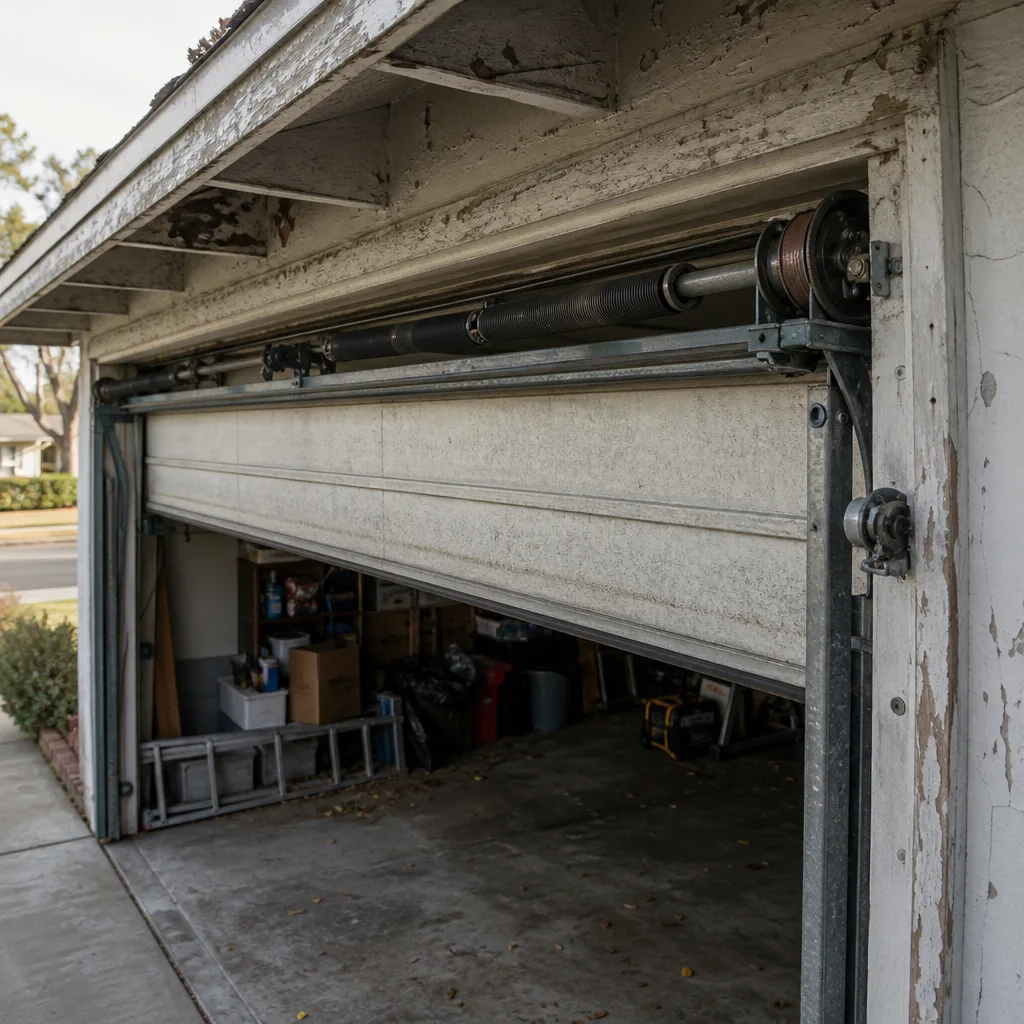
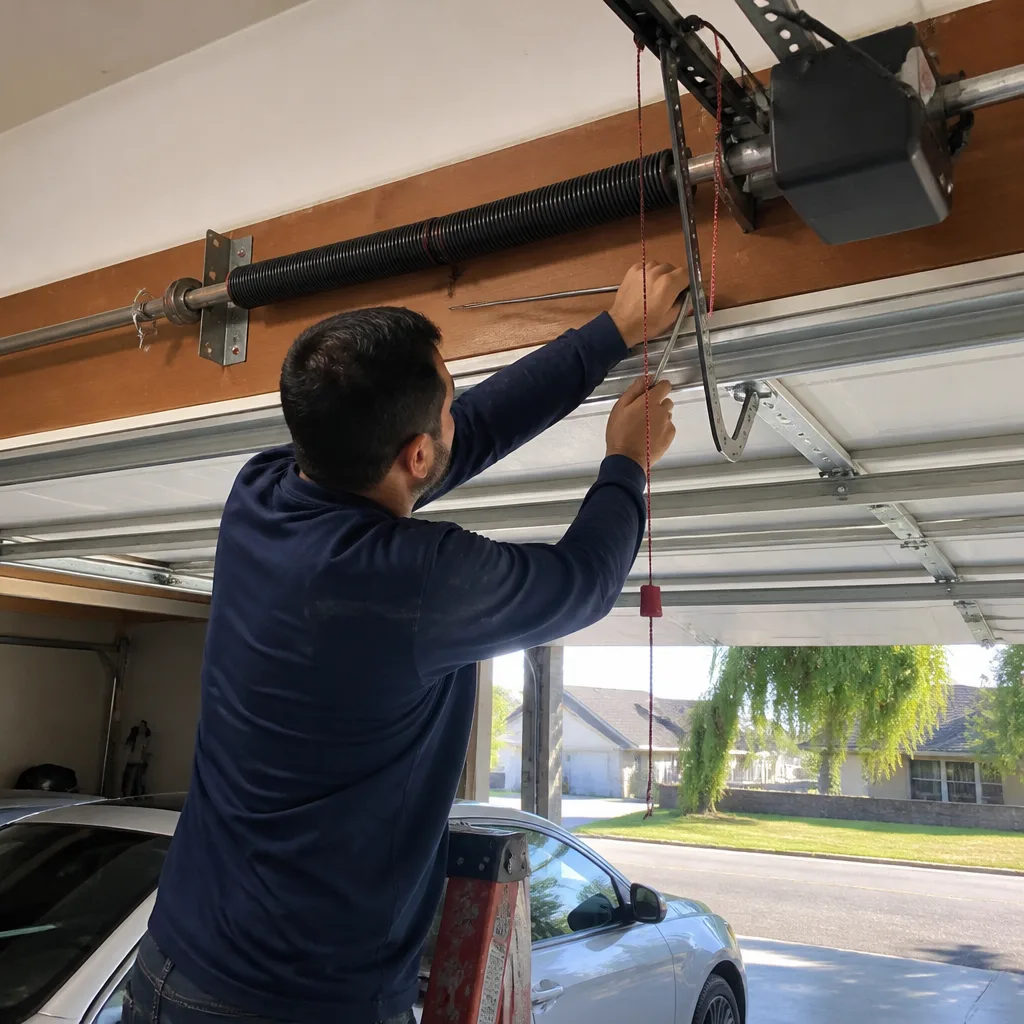
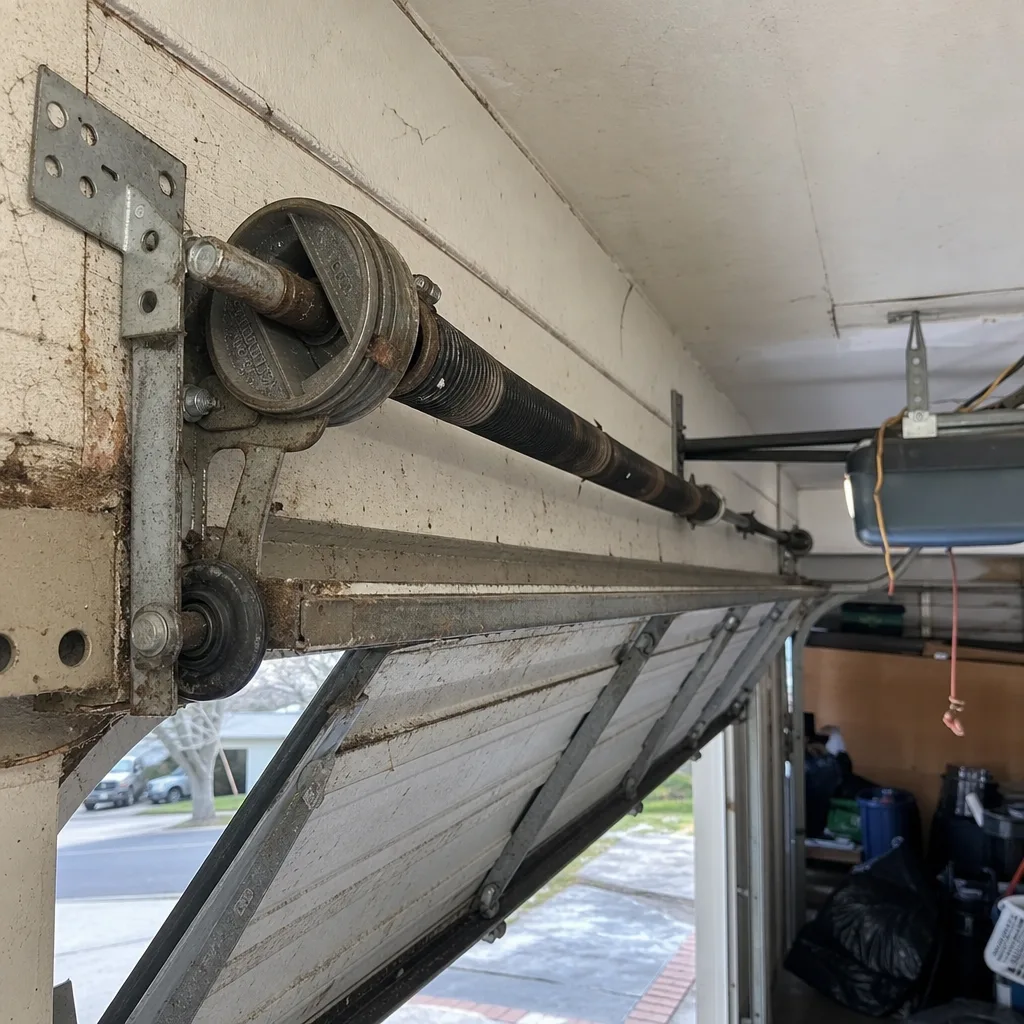
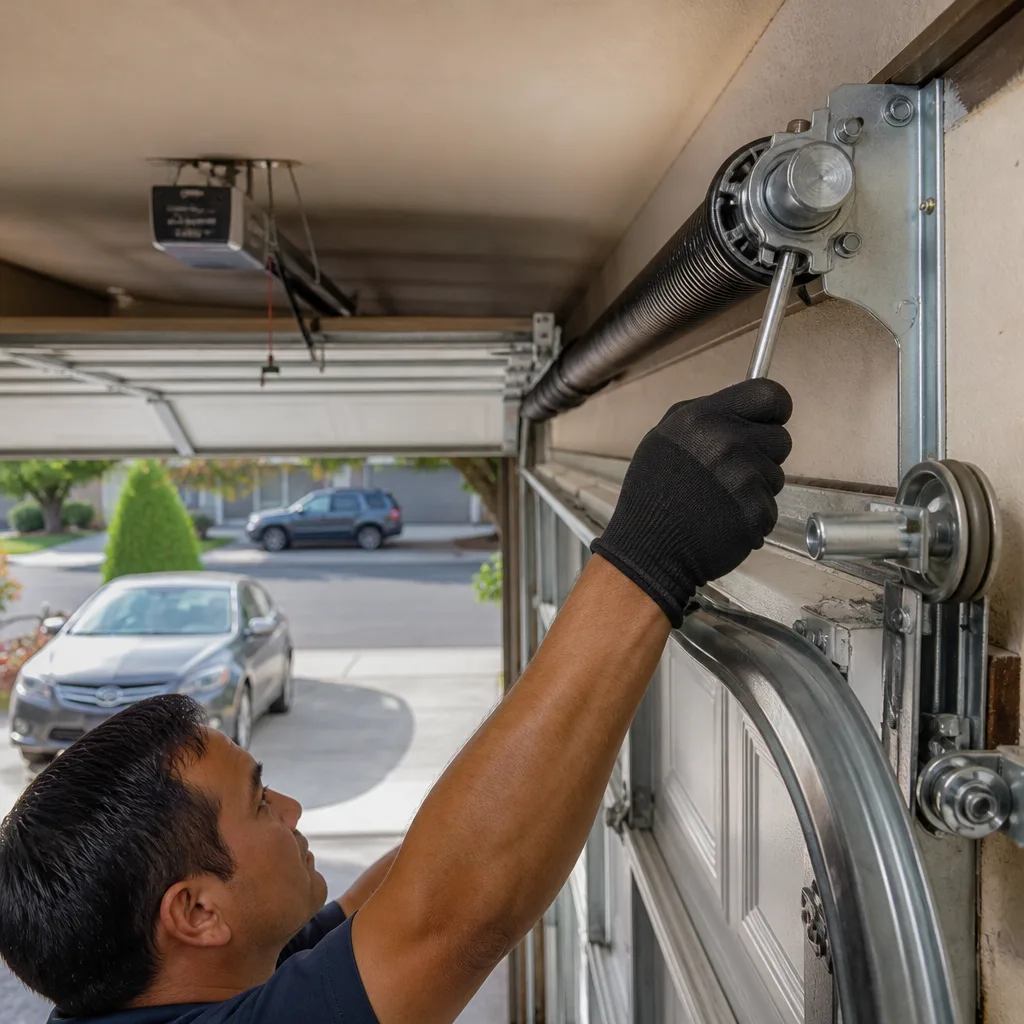
See the difference
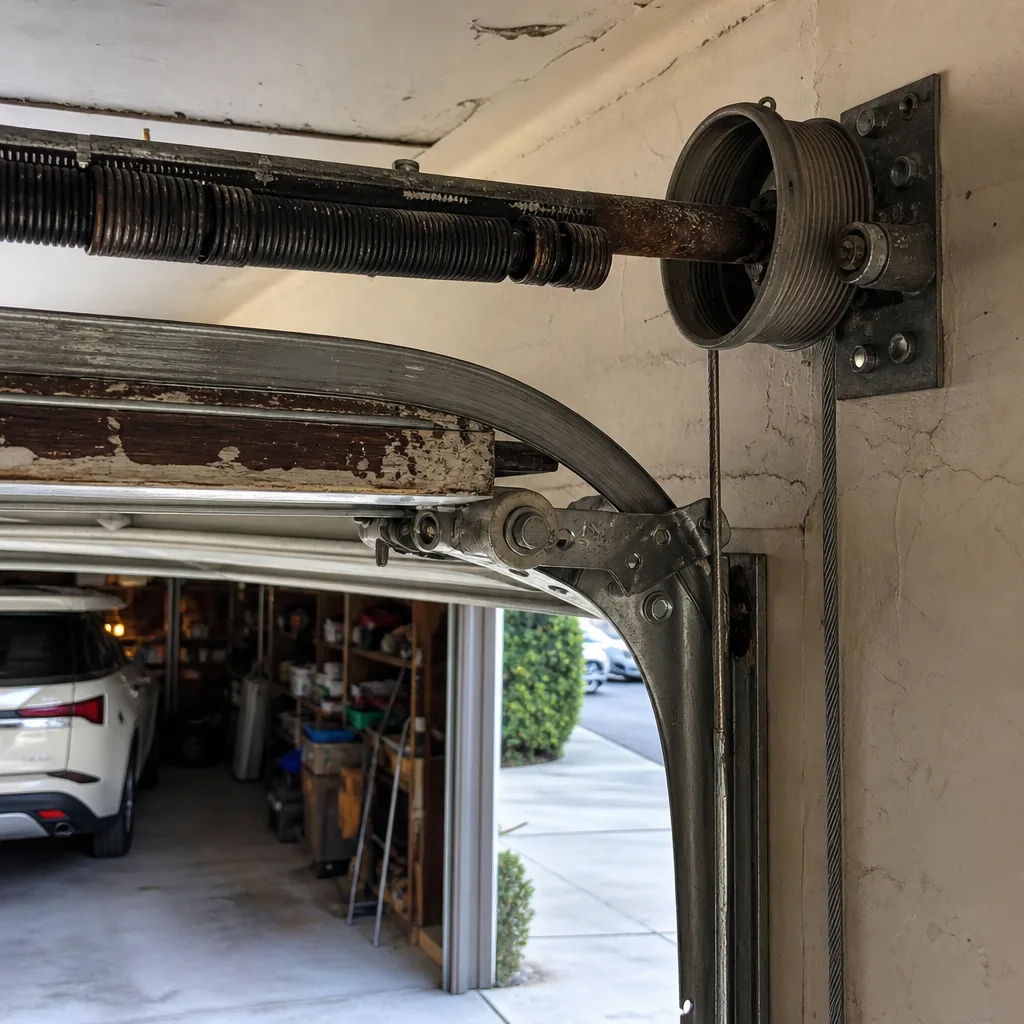 Before
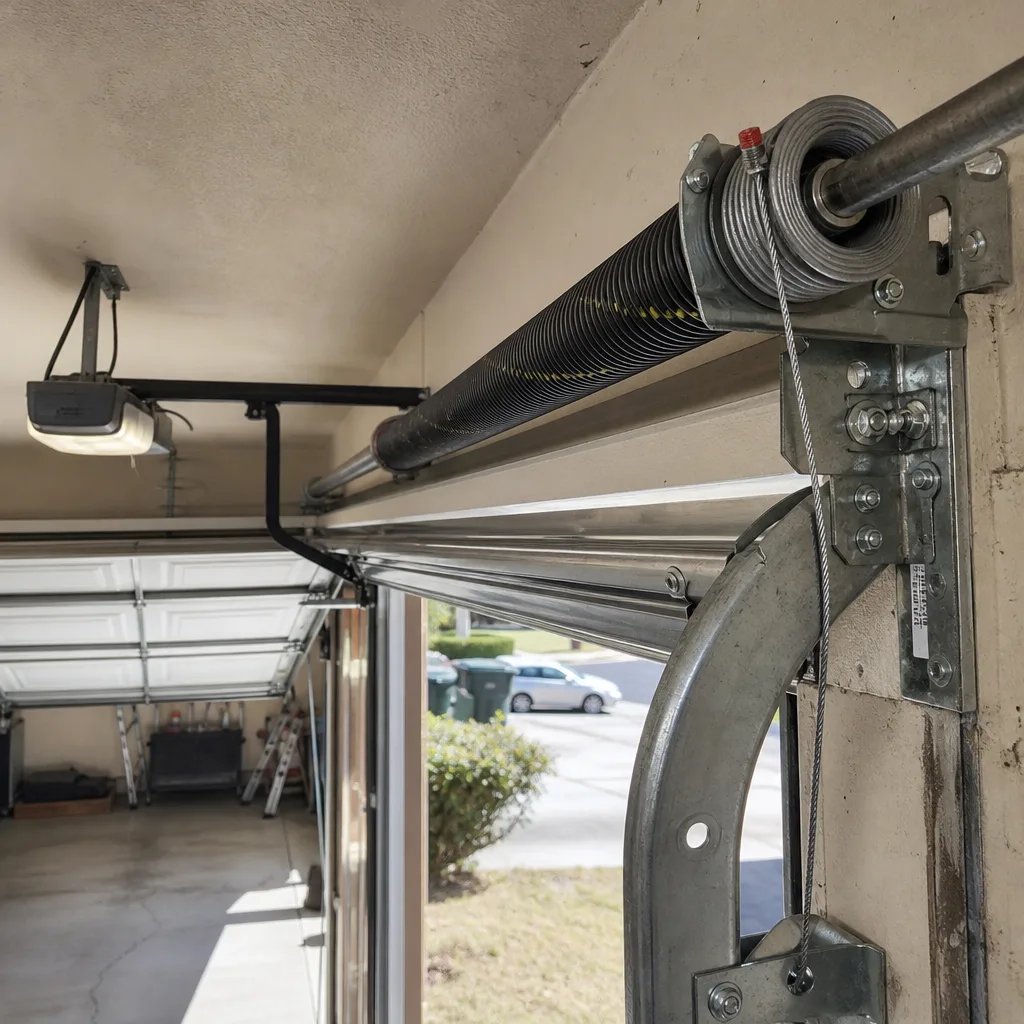 After
 Before
 After
 Before
 After