
Last updated October 30, 2026
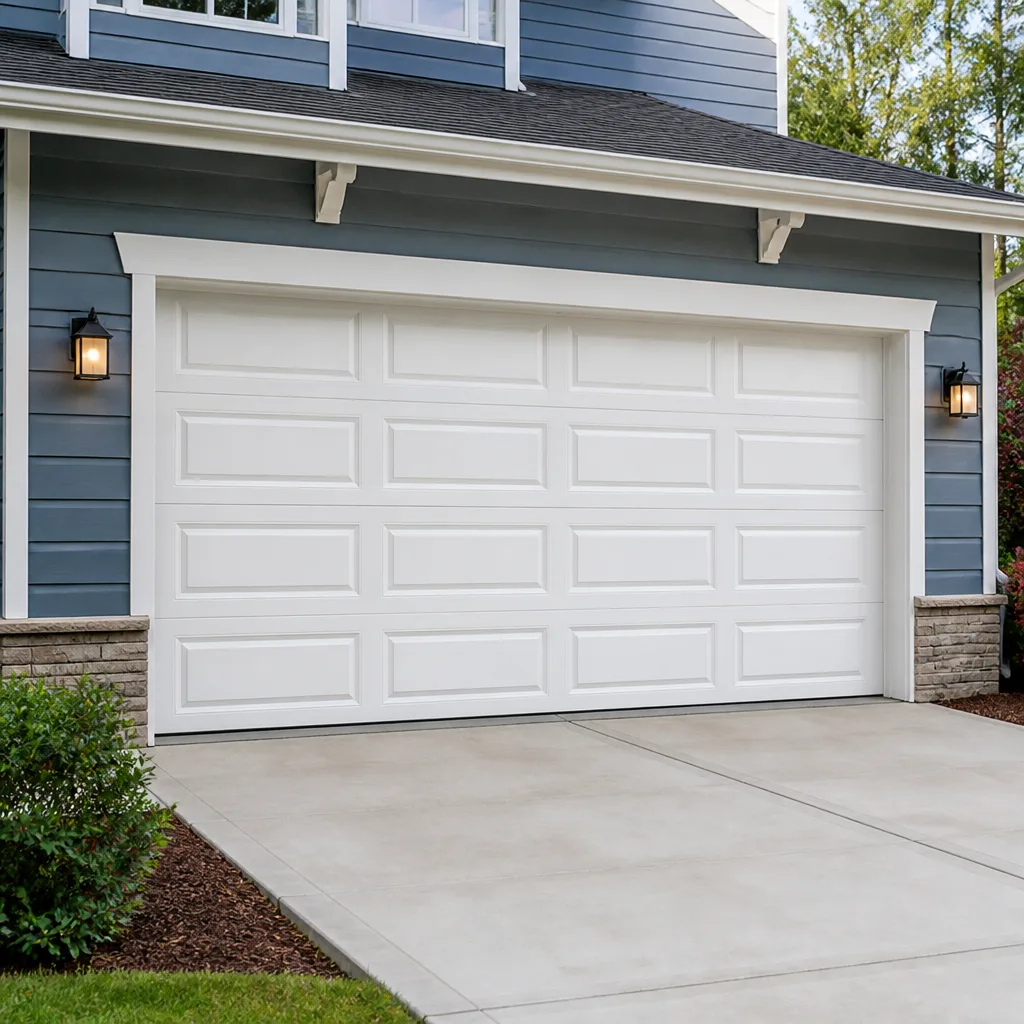 Raised-panel steel
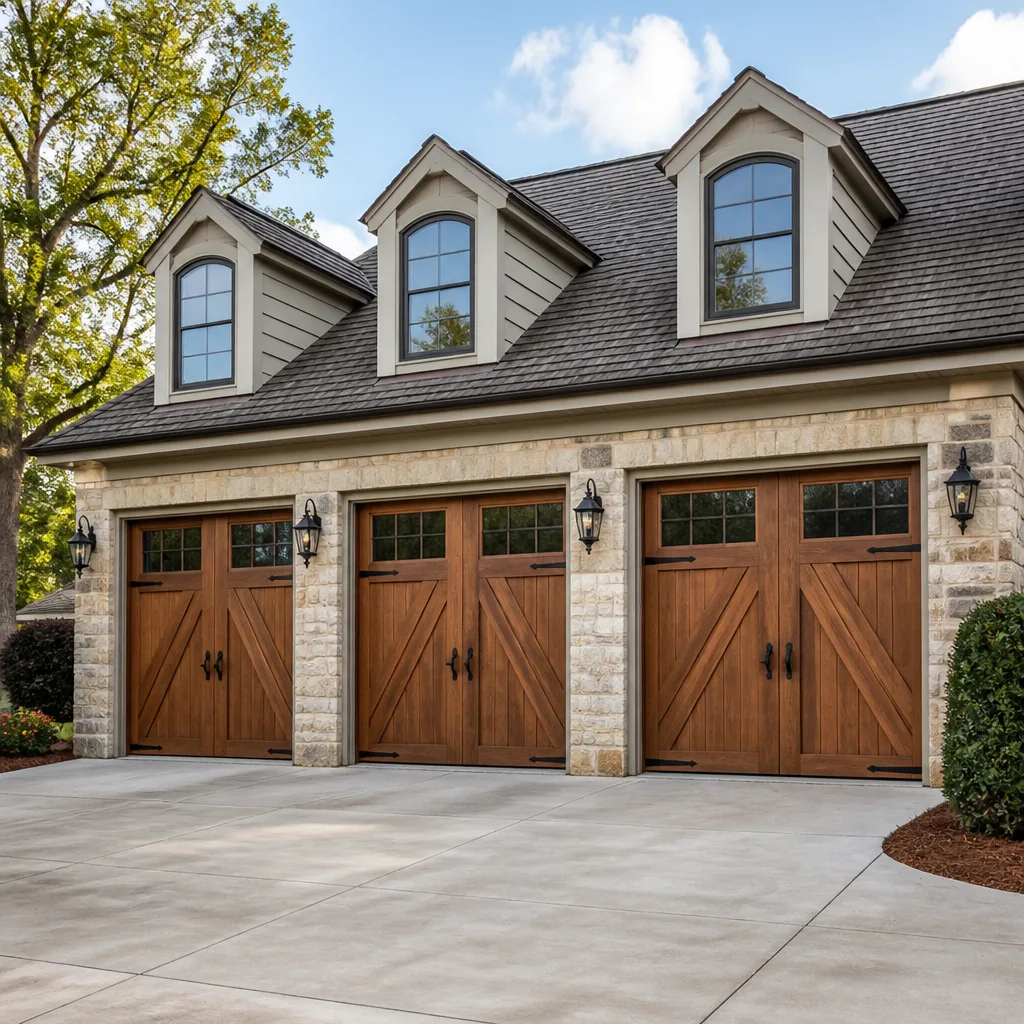 Carriage house
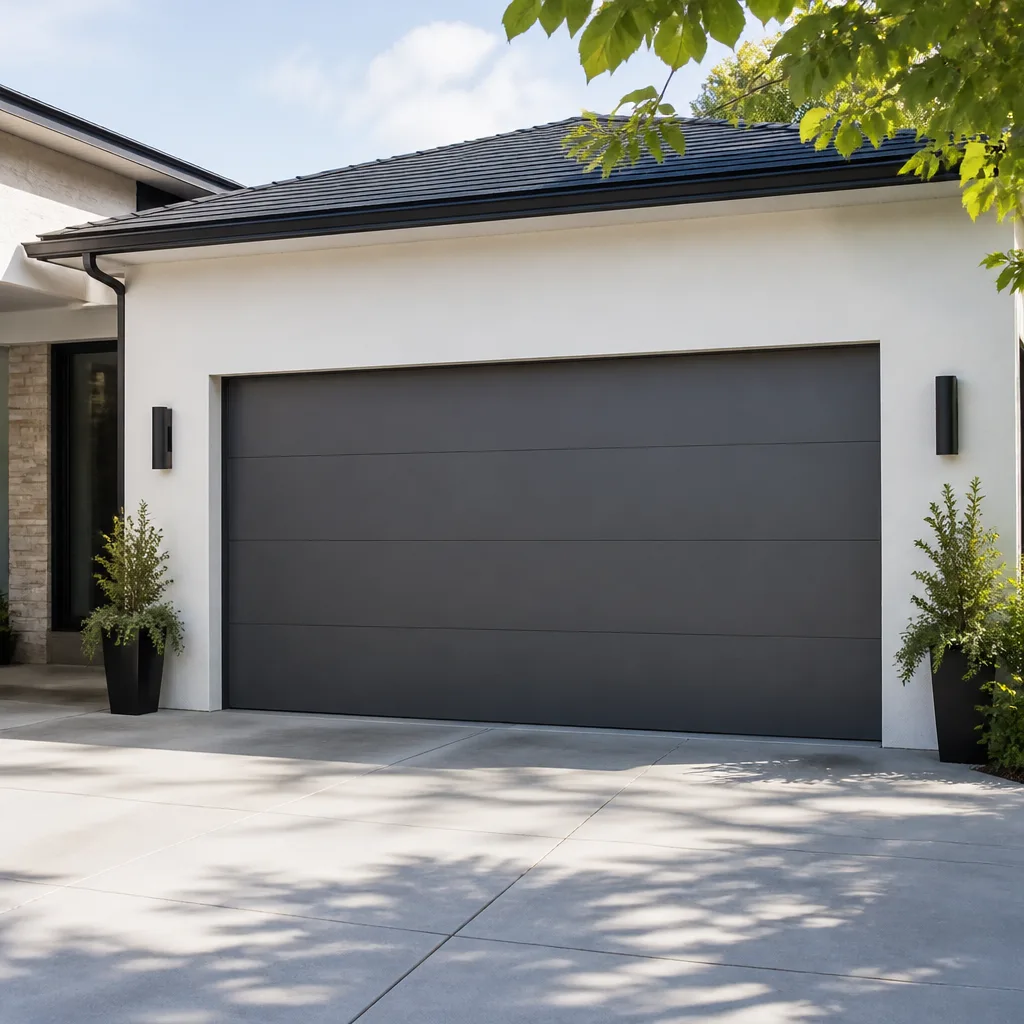 Modern flush
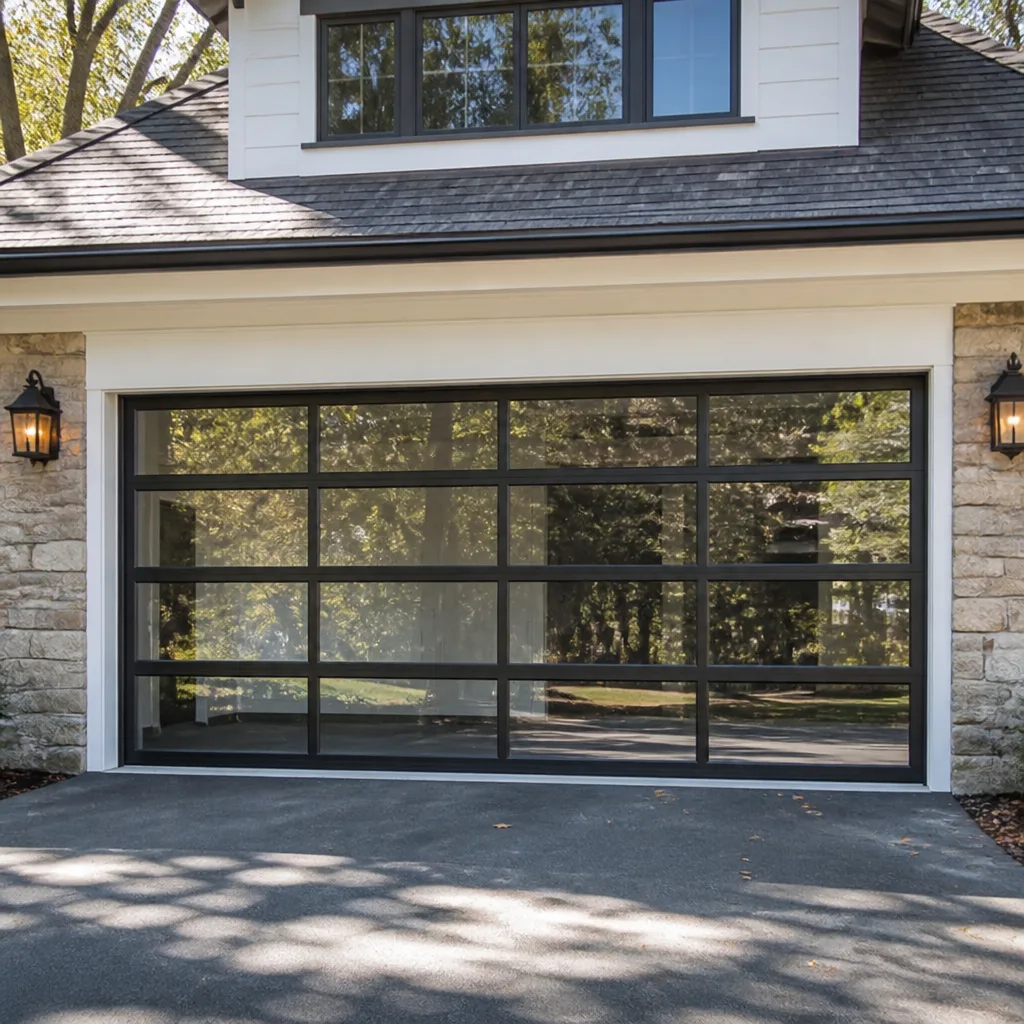 Full-view glass
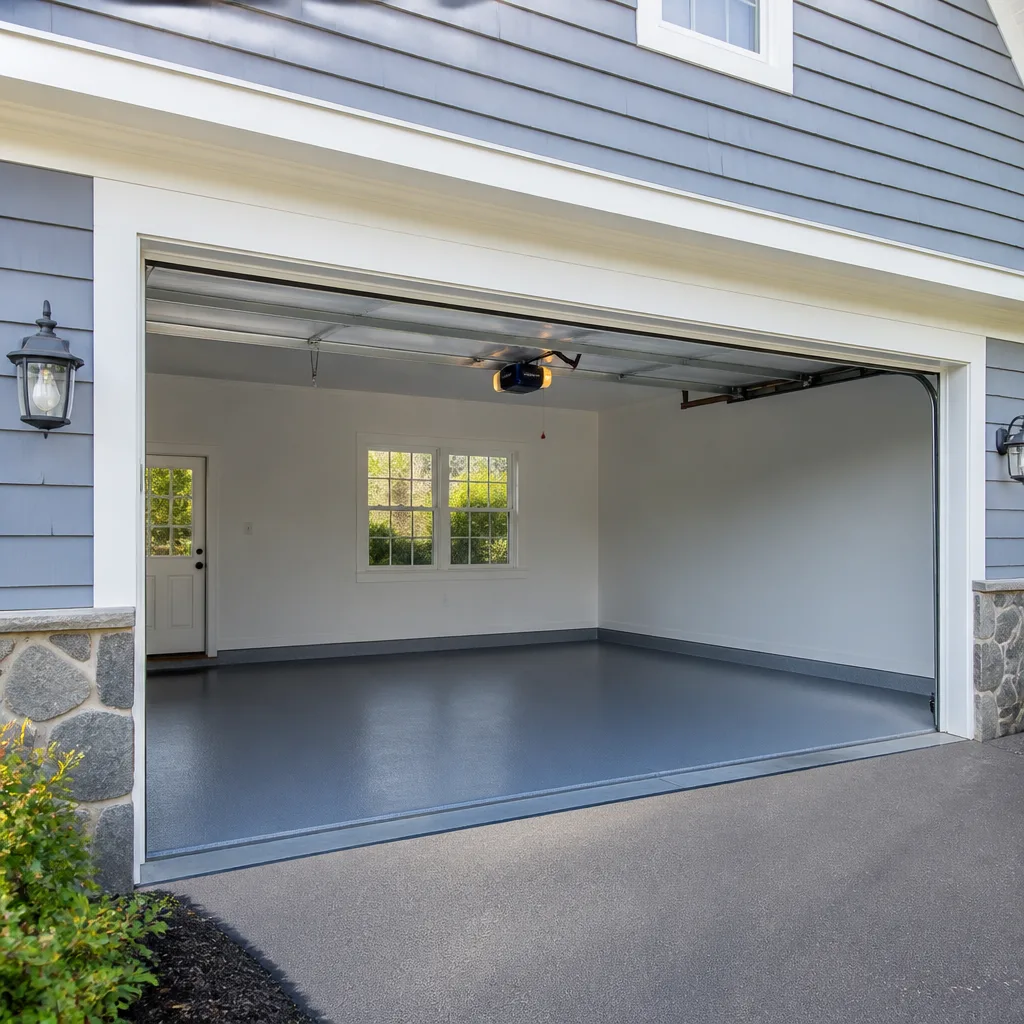 LiftMaster openers
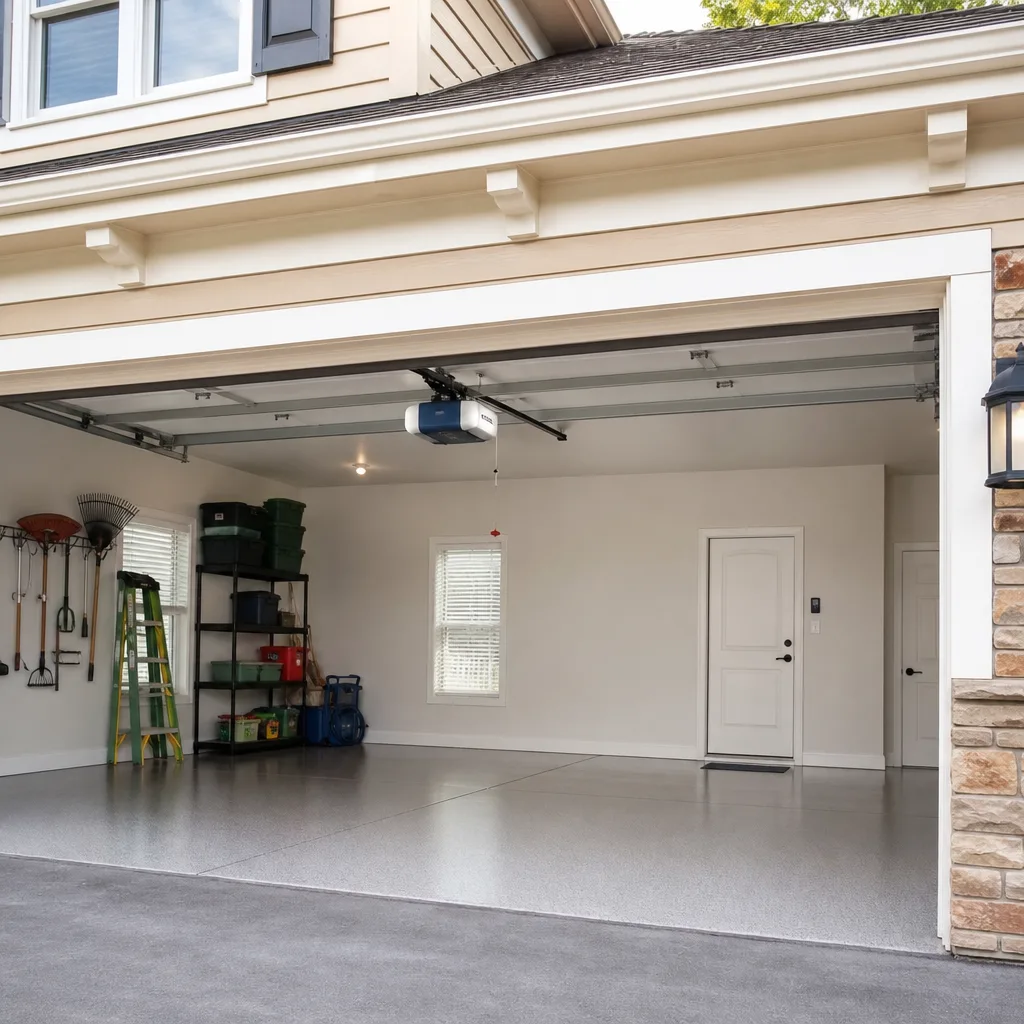 Chamberlain openers
Full 25-point door and opener safety check with every visit - springs, cables, rollers, tracks, and your LiftMaster or Chamberlain opener included
You get a price before we start. It does not change when the truck arrives.
Get your free estimateGarage Door Cost Breakdown: The Ontario Homeowner’s Reference for 2026
Here’s a number that surprises most Ontario homeowners: two reputable companies can quote the same garage door job $800 apart, and neither one is trying to cheat you. The difference is almost never the door panel itself. It’s the springs, the hardware, the opener’s drive mechanism, and whether the labor rate includes a warranty that actually gets honored. In Ontario’s 2026 market, material costs for steel have stabilized but torsion spring prices jumped 18% in eighteen months, and a wave of new installers quoting bare-minimum hardware has made bottom-dollar pricing more misleading than ever. This guide teaches you how to read a garage door quote line by line, so you’re comparing build quality and not just totals.
Styles & brands we work with
Quick Answer
A new garage door in Ontario, CA typically costs between $850 and $4,200 installed in 2026, with most single-car steel doors landing between $1,100 and $1,900. The widest price swings come from spring quality, opener type, and whether the installer’s labor rate includes a service warranty or just a parts warranty. Replacing a single torsion spring runs $180 to $340, while a full tune-up with spring replacement costs $220 to $450 and often saves money over three years.
Table of Contents
- What Garage Door Materials Actually Cost in Ontario Right Now
- The Hidden Hardware Line: Springs, Rollers, and Cables
- Garage Door Opener Cost Tiers: What Ontario’s Heat Does to Motor Lifespans
- Labor Pricing Norms in Ontario: What Fair Looks Like
- Spring Replacement vs. Full Tune-Up: The 3-Year Math
- How to Read a Garage Door Quote in 2026
- Common Mistakes to Avoid
- When to Call a Professional
- Frequently Asked Questions
- The Bottom Line
What Garage Door Materials Actually Cost in Ontario Right Now
Ontario’s garage door market reflects the Inland Empire’s blend of 1950s ranch homes, 1990s track housing, and newer developments in neighborhoods like Ontario Ranch and the Creekside area. The panels you choose set the base price, but the material also determines how well the door handles Ontario’s summer heat, which regularly pushes 100 degrees and causes cheaper doors to warp or delaminate.
Steel remains the dominant choice in Ontario, and for good reason. A 16×7 single-layer steel door starts around $450 for the panel, while a double-layer door with polystyrene insulation runs $650 to $950. Triple-layer steel doors with polyurethane insulation land between $950 and $1,400 for the panel. The price difference between single-layer and triple-layer is substantial, but in Ontario’s climate, insulation matters less for temperature control and more for structural rigidity. A triple-layer door resists the flexing that eventually causes cracks and hinge failure.
Wood composite doors, which give the look of wood without the maintenance, cost $1,200 to $2,800 per panel in Ontario’s current market. Solid wood doors are now a niche product, and the numbers reflect it: $2,500 to $5,000 for a 16×7 panel, plus significantly higher labor because of weight and the need for reinforced spring systems. We rarely recommend solid wood in Ontario unless the house’s architecture demands it. The sun exposure on south-facing garages in neighborhoods like Northgate and Edenglen will fade and check wood faster than almost any other material.
Aluminum doors with glass panels run $1,800 to $3,500 and are more common on Ontario’s commercial storefronts than residential garages. Fiberglass is the outlier: cheap to buy at $600 to $1,000 per panel, but brittle in cold snaps and prone to cracking within five to seven years. We quote fiberglass when a homeowner specifically asks, but we talk them through the longevity math first.
Material Cost Snapshot for Ontario, 2026
- Single-layer steel (16×7): $450 – $650 panel, $850 – $1,100 installed
- Double-layer steel with polystyrene: $650 – $950 panel, $1,100 – $1,500 installed
- Triple-layer steel with polyurethane: $950 – $1,400 panel, $1,600 – $2,300 installed
- Wood composite: $1,200 – $2,800 panel, $1,900 – $3,800 installed
- Solid wood: $2,500 – $5,000 panel, $3,400 – $6,500 installed
- Aluminum with glass: $1,800 – $3,500 panel, $2,500 – $4,800 installed
- Fiberglass: $600 – $1,000 panel, $1,000 – $1,600 installed
These are Ontario market ranges based on what we actually see on quotes and invoices across the city. Panels ordered from manufacturers like Clopay and Amarr ship from regional distribution centers, so Ontario homeowners don’t pay a premium compared to Rancho Cucamonga or Fontana. The variable is never geography. It’s hardware selection.
The Hidden Hardware Line: Springs, Rollers, and Cables
This is the section that separates an honest quote from a price that falls apart six months later. When you see two quotes for the “same” steel door $500 apart, the difference is almost always here, in the parts that do the actual lifting. Our garage door repair work in Ontario involves diagnosing hardware failures constantly, and the pattern is consistent: budget installers cut cost on springs and rollers because those parts are invisible to the customer for the first year or two.
Torsion springs are the single most important component on your door. A quality pair of oil-tempered springs rated for 10,000 cycles runs $120 to $180. Budget installers often substitute springs rated for 5,000 cycles, which cost $60 to $80. That $60 savings translates to a spring that fails in three to four years instead of seven to ten. In Ontario, where the average homeowner opens their garage door three to four times per day, that difference shows up fast.
Rollers follow the same pattern. Nylon rollers with sealed ball bearings cost $12 to $18 each and last ten years or more. Steel rollers without bearings cost $3 to $5 each and wear out in two to three years, often damaging the tracks in the process. A 16×7 door has ten to twelve rollers. The quality difference is roughly $120 per door, and the longevity difference is measured in years, not months.
Cables are where things get dangerous. High-tension cables carry the entire weight of the door when the spring does its job, and the load is thousands of pounds of torque release. Aircraft-grade galvanized cables rated for the door’s weight cost $25 to $40 per pair. Thin, unrated cables cost under $15. The failure mode for a cheap cable is not a slow wear-out. It’s a snap under tension, which can damage vehicles, drywall, and people. Torsion spring systems and cables store enough energy to cause serious injury or death. Never attempt to replace springs or cables yourself, and never let cost be the deciding factor on these two components.
Hardware Cost Comparison: What Quality Parts Actually Cost
- Torsion springs, quality (10k cycle): $120 – $180 per pair vs. budget 5k cycle at $60 – $80
- Nylon rollers with bearings: $12 – $18 each vs. steel rollers at $3 – $5 each
- Aircraft-grade cables: $25 – $40 per pair vs. unrated cables at under $15
- Galvanized hinges, 14-gauge: $8 – $14 each vs. 18-gauge stamped hinges at $2 – $4 each
- Reinforced struts: $35 – $60 per door, frequently omitted on budget quotes entirely
When we quote a door, we line-item the springs, rollers, cables, and hinges. You should expect any reputable Ontario installer to do the same. If a quote says “hardware included” without specifying spring cycle rating or roller type, ask for the breakdown. If they won’t provide it, that’s information too.
Garage Door Opener Cost Tiers: What Ontario’s Heat Does to Motor Lifespans
Your opener is the brain of the system, and in Ontario’s climate, it’s also the component most likely to die early if you pick the wrong type. The Inland Empire’s summer heat bakes motors in uninsulated garages, and that thermal load is why we see so many burned-out chain-drive motors in Ontario homes built before 2010. Our garage door opener repair service here in Ontario replaces or repairs every major opener brand, and the failure patterns are consistent.
Chain-drive openers are the entry level: $150 to $250 for a unit from Chamberlain, Genie, or LiftMaster, plus $150 to $250 for installation. They’re loud, and the chain mechanism generates mechanical wear that accelerates in high heat. Chain drives make sense for detached garages or situations where noise doesn’t matter. In Ontario’s attached-garage homes, where the garage shares a wall with a bedroom or living room, the noise and the heat-shortened lifespan usually make the savings not worth it.
Belt-drive openers run $250 to $450 for the unit, with installation bringing the total to $400 to $700. The reinforced belt runs cooler, quieter, and with fewer moving parts that wear out under thermal expansion. For most Ontario homeowners, this is the sweet spot. A belt drive from LiftMaster or Chamberlain will typically last ten to twelve years in our climate, versus six to eight for a chain drive under the same conditions.
Wall-mount openers sit beside the door instead of on the ceiling, freeing up overhead space and operating at near-silent levels. Units run $400 to $650, and installation is more involved, landing around $650 to $950 total. Wall-mount openers like the LiftMaster 8500W are the best choice for Ontario homes with high ceilings, car lifts, or converted garages, and their motors run cooler because they’re not mounted in the hottest air pocket under the roof.
Smart-home integration is now standard on mid-tier and premium openers from LiftMaster and Craftsman, and the older brands like Raynor and Wayne Dalton have caught up in recent model years. The tech is not a gimmick, but the motor and drive mechanism matter more than the app. Buy the opener for the mechanical system first.
Opener Cost Tiers: Ontario 2026 Pricing
- Chain drive: $300 – $500 installed. Loud, shorter lifespan in heat. Best for detached garages.
- Belt drive: $500 – $750 installed. Quieter, cooler-running, the right choice for most Ontario homes.
- Wall mount: $750 – $1,000 installed. Quietest option, saves ceiling space, best thermal performance.
Labor Pricing Norms in Ontario: What Fair Looks Like
Ontario labor rates for garage door work are not secret, but they are inconsistent. The market rate for a qualified technician in the Inland Empire runs $85 to $125 per hour in 2026. A standard single-door installation takes two to three hours for two workers, which puts fair installation labor in the $300 to $450 range. A spring replacement is a one-hour job billed at $150 to $250 in labor, including the service call and safety inspection.
When a quote’s labor number comes in dramatically below those ranges, one of two things is happening. Either the company is running unlicensed, unbonded labor at submarket wages, or the labor line is artificially low and the parts line is padded to hide the markup. Both are common in Ontario’s current market, where dozens of new garage door companies opened after the 2021-2022 construction surge and are now competing on price alone.
Signs a Labor Quote Is Too Low to Be Real
- Labor under $200 for a full door installation. No licensed crew works that cheaply in Ontario and survives on volume.
- No warranty language. If the quote doesn’t specify labor warranty in writing, the low rate means no return trips are priced in.
- Parts line items without brands. A quote that lists “spring, roller kit, hardware” without brand or spec is a lowball-upcharge model.
- Charging a separate “truck fee” or “fuel surcharge.” That’s overhead being re-billed because the labor rate was set too low to cover it.
The labor number should be specific, the parts should be line-itemed by brand and spec, and the total should include a written warranty covering both. If any of those three things is missing, the quote is not a quote. It’s a starting position for negotiation you didn’t know you were in.
Spring Replacement vs. Full Tune-Up: The 3-Year Math
When a spring snaps, the immediate fix is a spring replacement, and in Ontario, that’s a same-day job in most cases. The cost runs $180 to $340 for a single spring, or $250 to $450 for both springs, with the work done by a licensed technician. The question is whether to stop there or bundle a tune-up while the door is already open and the technician is already on-site.
The math is worth doing. A full tune-up in Ontario runs $89 to $129 on its own, and includes spring inspection and tension adjustment, roller inspection and replacement if needed, track cleaning and alignment, hinge tightening, cable inspection, and lubrication. If you bundle the tune-up with a spring replacement, most companies discount it to $50 to $80, because the technician is already there and the door is already up.
The three-year math works like this: replacing only the spring costs $260 on average. Rollers that were already worn fail within a year, requiring a separate service call at $120 to $200. Cables that should have been caught start fraying, another $150 to $200 call. The door develops a wobble that accelerates hinge wear, and a year later you’re paying for hinge replacement and track realignment at $200 to $300. By year three, the “saved” tune-up money has cost you an extra $400 to $600 in service calls that each came with their own trip fees and scheduling hassle.
Bundle the tune-up on the same visit, and the total outlay is $310 to $370, with every wear component inspected and addressed before it fails. In Ontario’s heat, where lubricant breaks down faster and metal expands and contracts through 40-degree daily temperature swings in the winter, regular tune-ups are not optional maintenance. They’re the difference between a fifteen-year door and an eight-year door.
How to Read a Garage Door Quote in 2026
By now, the pattern should be clear: the total at the bottom of the quote tells you almost nothing about what you’re buying. The value of our garage door installation work in Ontario is not that we quote the lowest number. It’s that the number means something specific and defensible. Here’s how to read any quote you receive.
Step 1: Look for the Spring Specification
The quote must state the spring type (torsion or extension), the cycle rating (10,000 minimum for a door you plan to keep), and the number of springs being replaced. A quality quote says “two 10,000-cycle oil-tempered torsion springs.” A budget quote says “springs.” The specification is the whole game.
Step 2: Check the Roller Line
If you see “nylon rollers, sealed bearings,” you’re looking at a quality quote. If you see “rollers” with no material or bearing type, plan on replacing them yourself in two to three years or paying for a follow-up service call.
Step 3: Confirm the Labor Warranty in Writing
A parts warranty covers the manufacturer’s defect. A labor warranty covers the installation. In Ontario’s market, a one-year labor warranty is standard for a reputable installer. Anything less, and the low price is doing math that doesn’t include coming back to fix a problem.
Step 4: Verify the Opener Brand and Drive Type
The quote should name the opener by brand and model line, not just “opener.” A LiftMaster belt drive is a specific product with a specific lifespan in Ontario’s heat. A “premium opener” is a placeholder for whatever was cheapest at the supply house that week.
Step 5: Confirm the Price Is Final Before Work Starts
In our experience, the question we hear most often from Ontario homeowners is whether the price will change once we see the door. Our answer is always the same: the price you approve is the price you pay. Any reputable company quotes a firm number before work begins, and if unexpected damage is found, you approve any change before we proceed. If a company won’t put that in writing, the low quote is a fishing expedition.
Common Mistakes to Avoid
- Comparing totals without comparing specs. A $1,100 quote with 10,000-cycle springs and nylon rollers is cheaper over five years than an $850 quote with 5,000-cycle springs and steel rollers. Do the math on the hardware, not the bottom line.
- Replacing the opener when the springs are the problem. If the door grinds halfway up and stops, the issue is usually spring balance, not motor failure. We’ve seen Ontario homeowners spend $500 on a new opener when an $80 spring adjustment would have fixed the door. Any opener repair service in Ontario should diagnose the full system before recommending a replacement.
- Ignoring the cycle rating on springs. A 5,000-cycle spring is not a defective product. It’s the wrong product for a door that gets opened three to four times a day. In Ontario’s heat, the shorter cycle rating compounds with thermal fatigue, and the spring fails even sooner than the rating suggests.
- Skipping the tune-up because “the door still works.” By the time a garage door fails visibly, the damage is usually well underway. Annual lubrication and inspection catches cable fraying and roller wear before they become a snapped spring at 7 a.m. on a workday.
- Assuming all brands cost the same to repair. Wayne Dalton doors, for example, often require brand-specific torque tubes and spring cones. A technician who doesn’t carry those parts will either quote a full conversion or walk away. We work on all major brands, including Wayne Dalton, Raynor, and Craftsman, precisely because homeowners get tired of hearing “we don’t service that brand.”
- Not asking whether the quote includes the haul-away. Disposing of an old door and opener costs $75 to $150 in Ontario if it’s not included. A quote that’s $100 cheaper might just be quietly leaving you a pile of steel in your driveway.
When to Call a Professional
Garage door work is not a DIY project for the same reason electrical panels and gas lines aren’t. The springs on a 16×7 door hold enough tension to lift roughly 150 to 250 pounds of dead weight, and when that tension releases improperly, it can be lethal. We recommend calling a professional for any spring replacement, cable replacement, track realignment, or opener installation. Panel replacement on a detatched door is sometimes manageable for a capable homeowner, but the moment springs or cables are involved, the risk is not worth the savings.
If you’re in Ontario and want a straight answer on what’s actually wrong and what it costs to fix, Cobblestone Garage Door Repair offers free estimates and upfront pricing with the quote locked in before work starts. Call (866) 667-5857.
Frequently Asked Questions
A new garage door in Ontario typically costs $850 to $4,200 installed, with most single-car steel doors landing between $1,100 and $1,900 depending on insulation level and hardware quality. The price is driven primarily by spring cycle rating, roller type, and opener choice, not the door panel itself. Call (866) 667-5857 for a free estimate with a written, line-itemed quote.
Replacing a single torsion spring in Ontario costs $180 to $340, and replacing both springs runs $250 to $450, including labor. The final price depends on the spring’s cycle rating and whether the technician bundles a tune-up, which we recommend because the door is already open and the savings on a combined visit typically pays for itself within a year.
A belt-drive opener from LiftMaster or Chamberlain is the best value for most Ontario homes because the reinforced belt runs cooler and quieter than a chain drive in the Inland Empire’s summer heat. Wall-mount openers are the best-performing option if you have high ceilings or a converted garage, and they avoid the hottest air pocket under the roof. We install and repair openers from Cobblestone Garage Door Repair across the full range of major brands.
Two quotes for the same door size can differ by $500 to $800 in Ontario because of hardware substitutions that are invisible on the quote line: spring cycle rating, roller bearing type, cable grade, and whether the labor warranty covers return trips. A lower total often means lower-quality springs and rollers that fail years earlier. Read the specifications, not just the bottom line.
We strongly recommend against it. Torsion springs hold thousands of pounds of tension, and an improper release can cause serious injury or death. The cost of professional replacement in Ontario is $180 to $340, which is a small price for the risk involved. A trained technician carries the right winding bars and understands the safety sequence.
In Ontario’s heat and dust, we recommend a professional tune-up once a year, especially for doors that get opened three or more times per day. The thermal expansion and contraction through Ontario’s 40-degree daily winter temperature swings accelerates wear on springs, rollers, and cables. An annual tune-up in Ontario runs $89 to $129 and catches small problems before they become a snapped spring or a damaged track.
The Bottom Line
Garage door pricing in Ontario in 2026 is not about finding the lowest number. It’s about knowing what the number means. The door panel is the visible purchase, but the springs, rollers, cables, and opener are the components that determine whether you’re paying once or paying again every couple of years. Read the specs. Confirm the labor warranty. Get the price locked in before work starts. And if you want a quote that tells you exactly what you’re buying and stands behind it, Cobblestone Garage Door Repair provides full-service garage door repair, opener work, and installation across Ontario, covering all eight major brands including LiftMaster, Chamberlain, Genie, Clopay, Amarr, Wayne Dalton, Craftsman, and Raynor. One call covers the whole system. Call (866) 667-5857 for a free estimate.
Written by the team at Cobblestone Garage Door Repair, serving Ontario since 2016.
See the difference
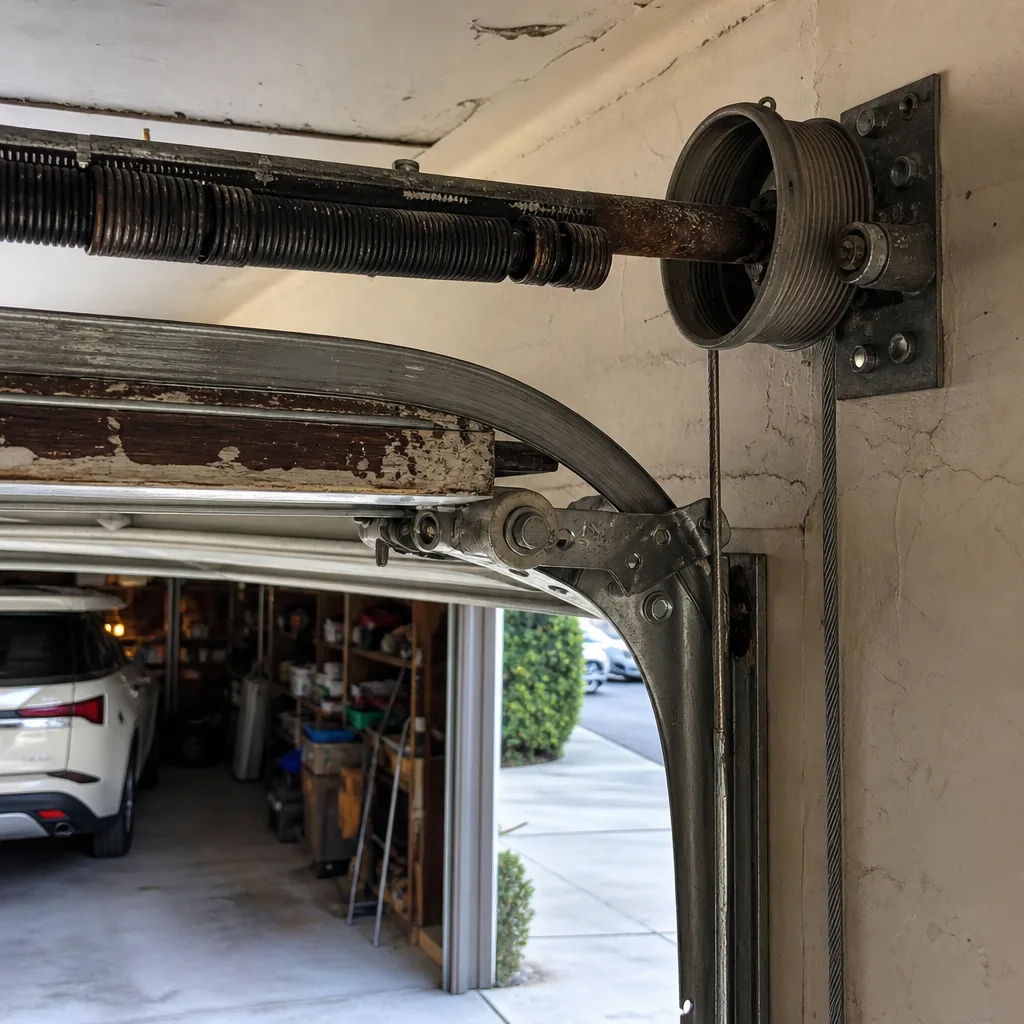 Before
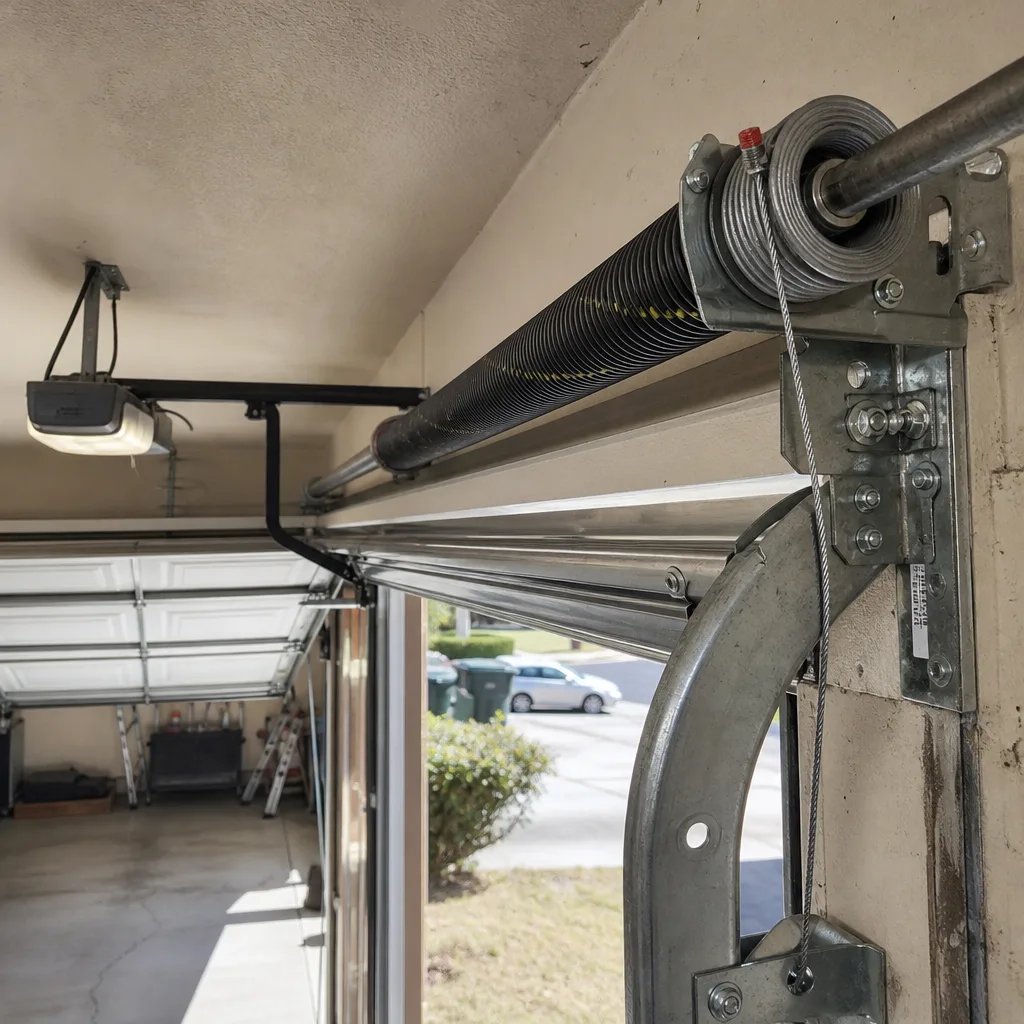 After
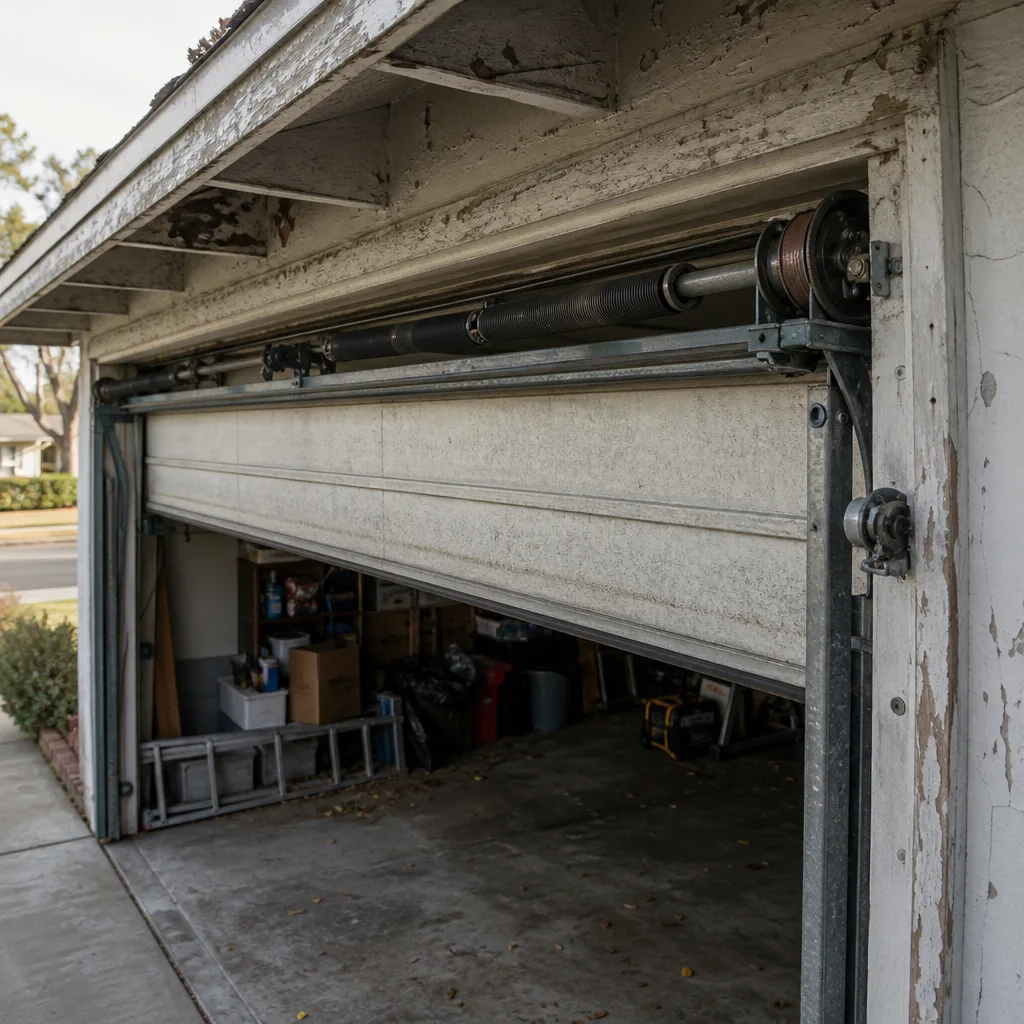 Before
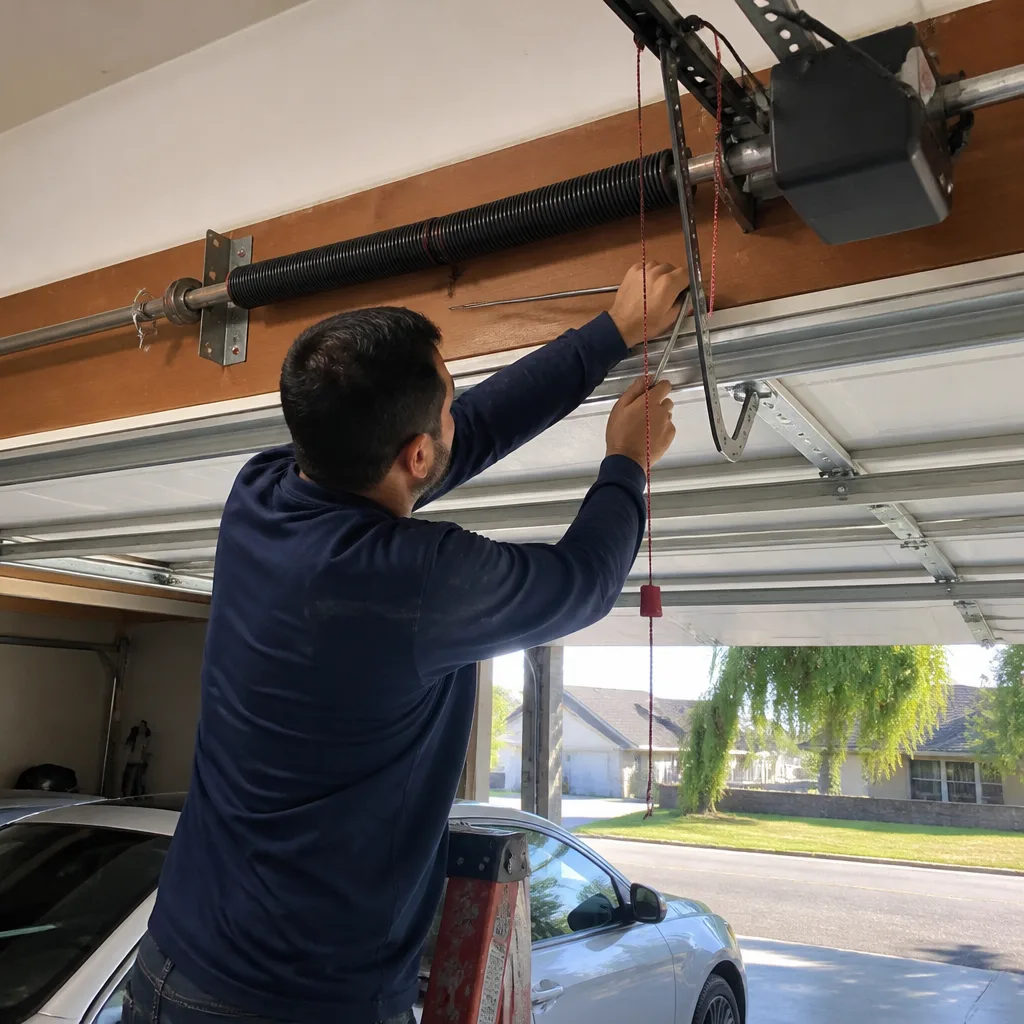 After
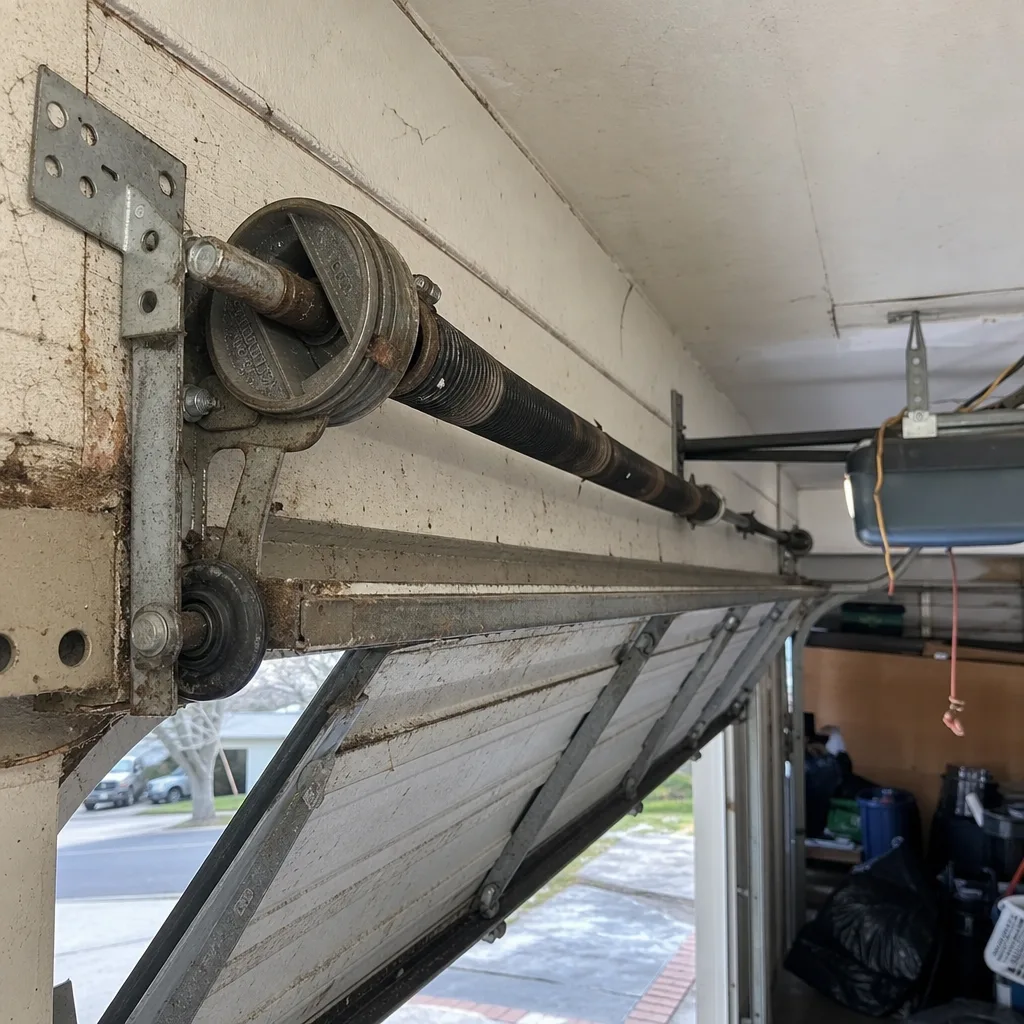 Before
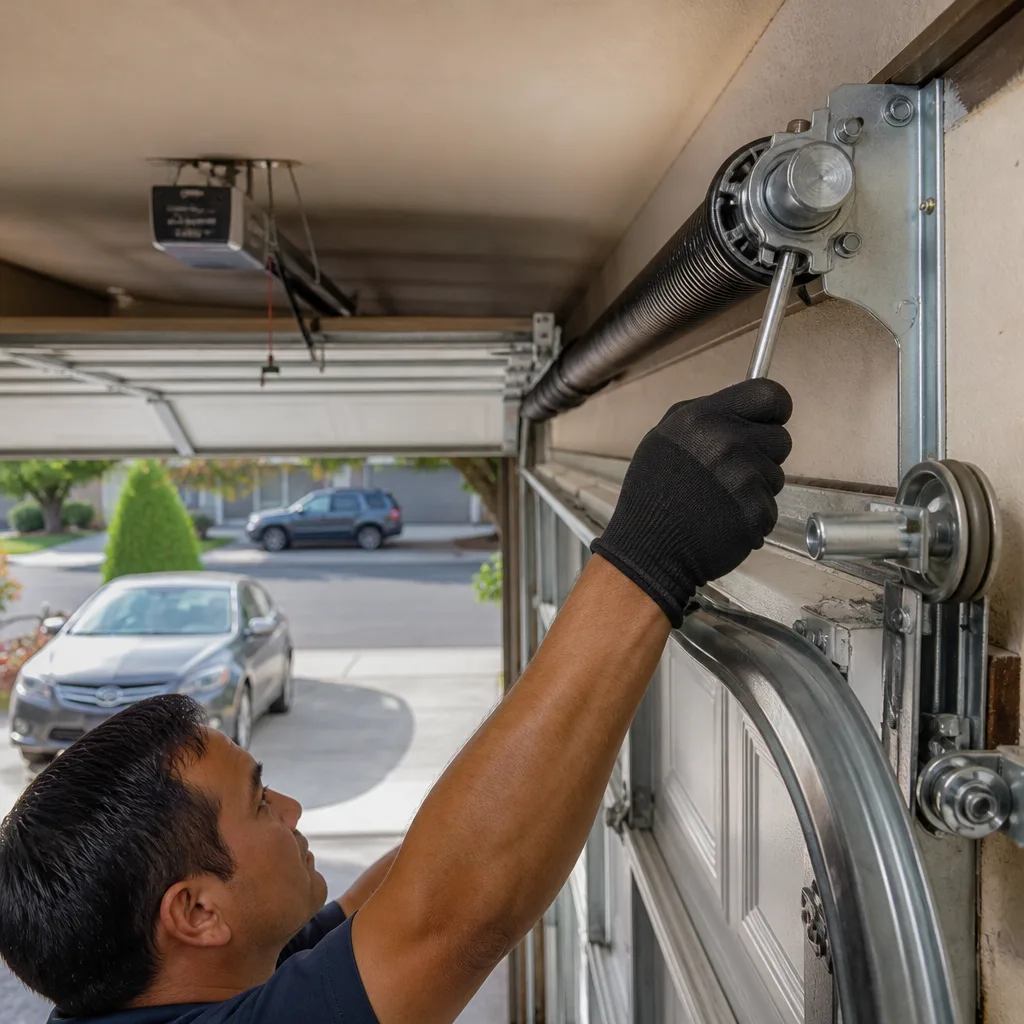 After