
Last updated October 30, 2026
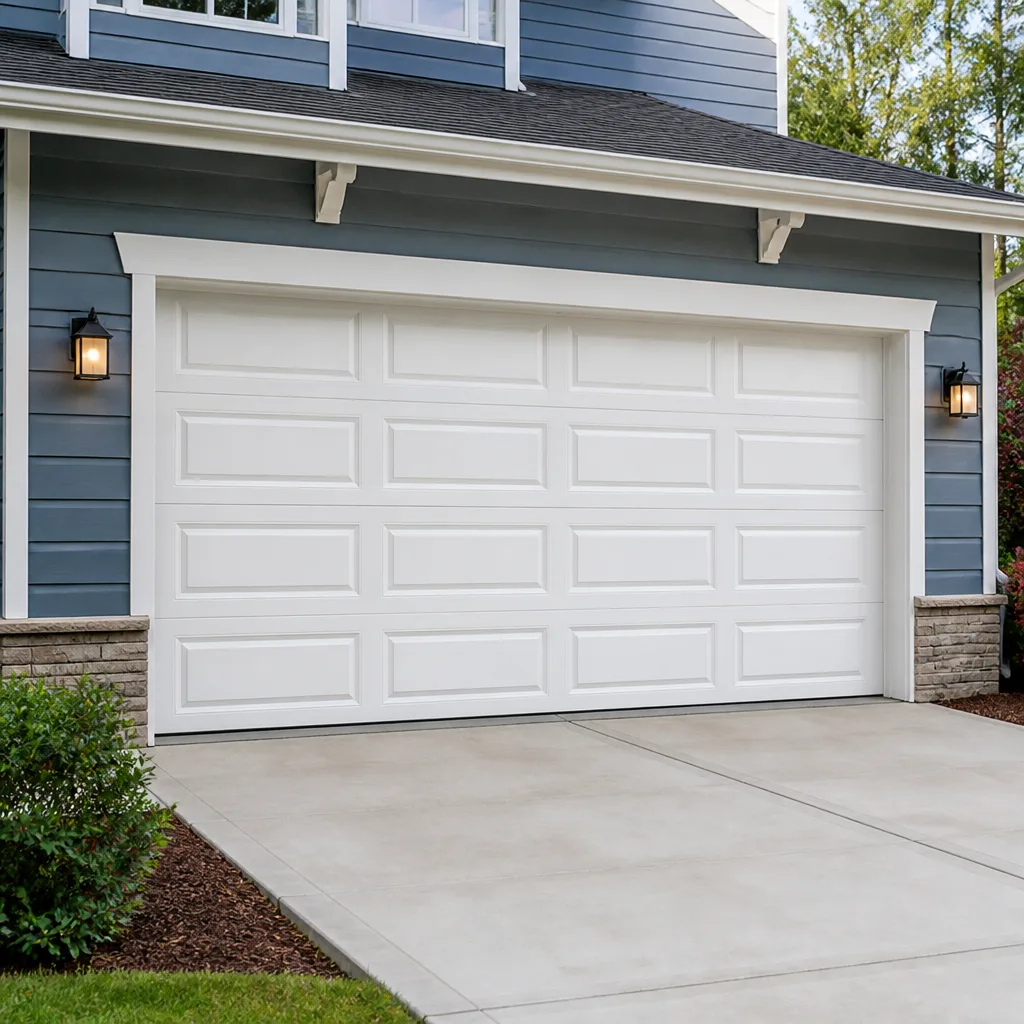 Raised-panel steel
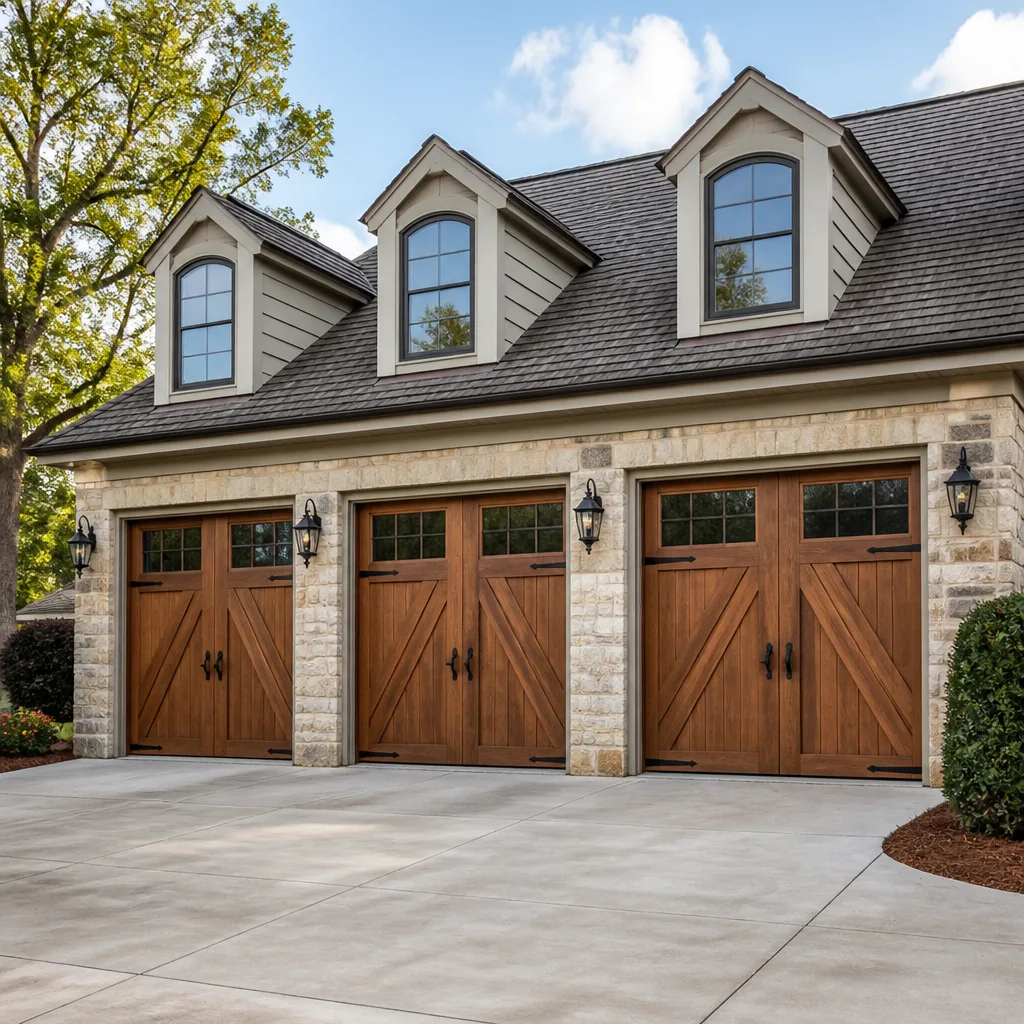 Carriage house
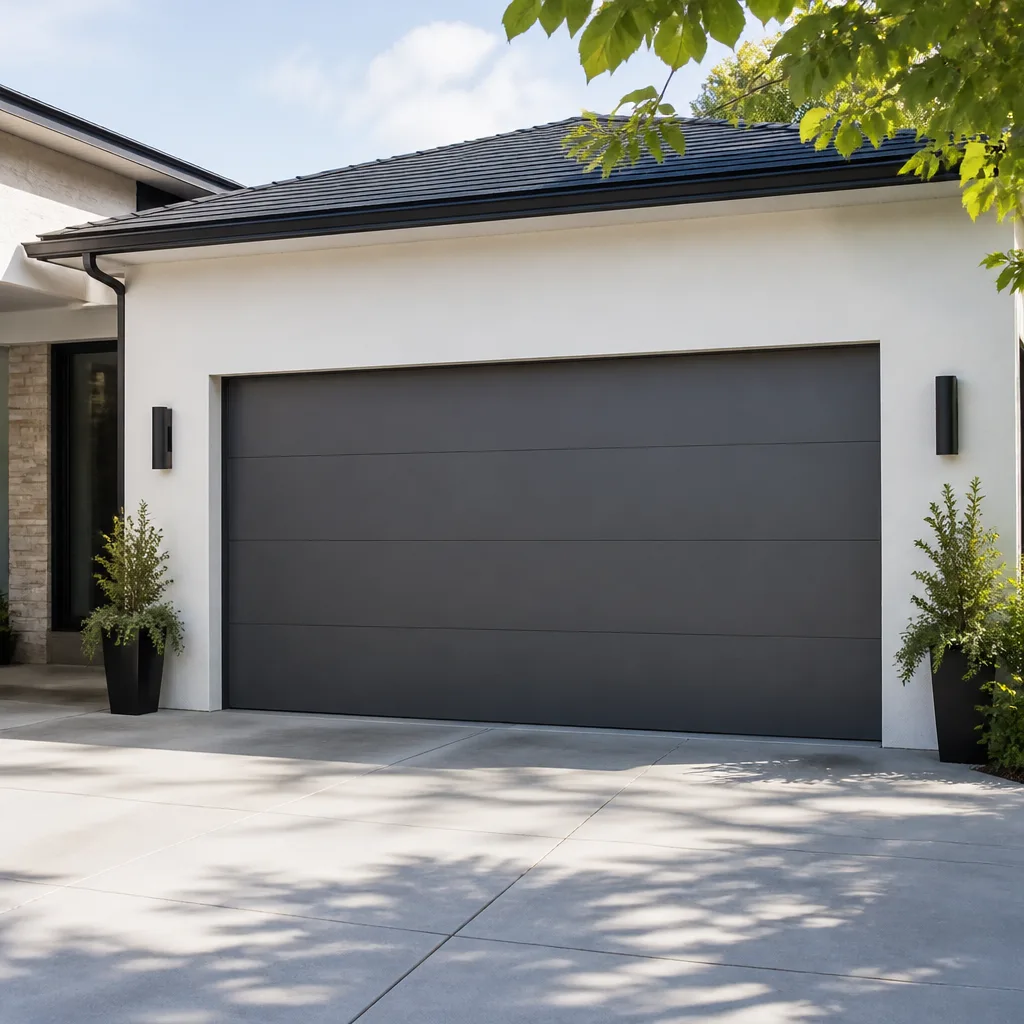 Modern flush
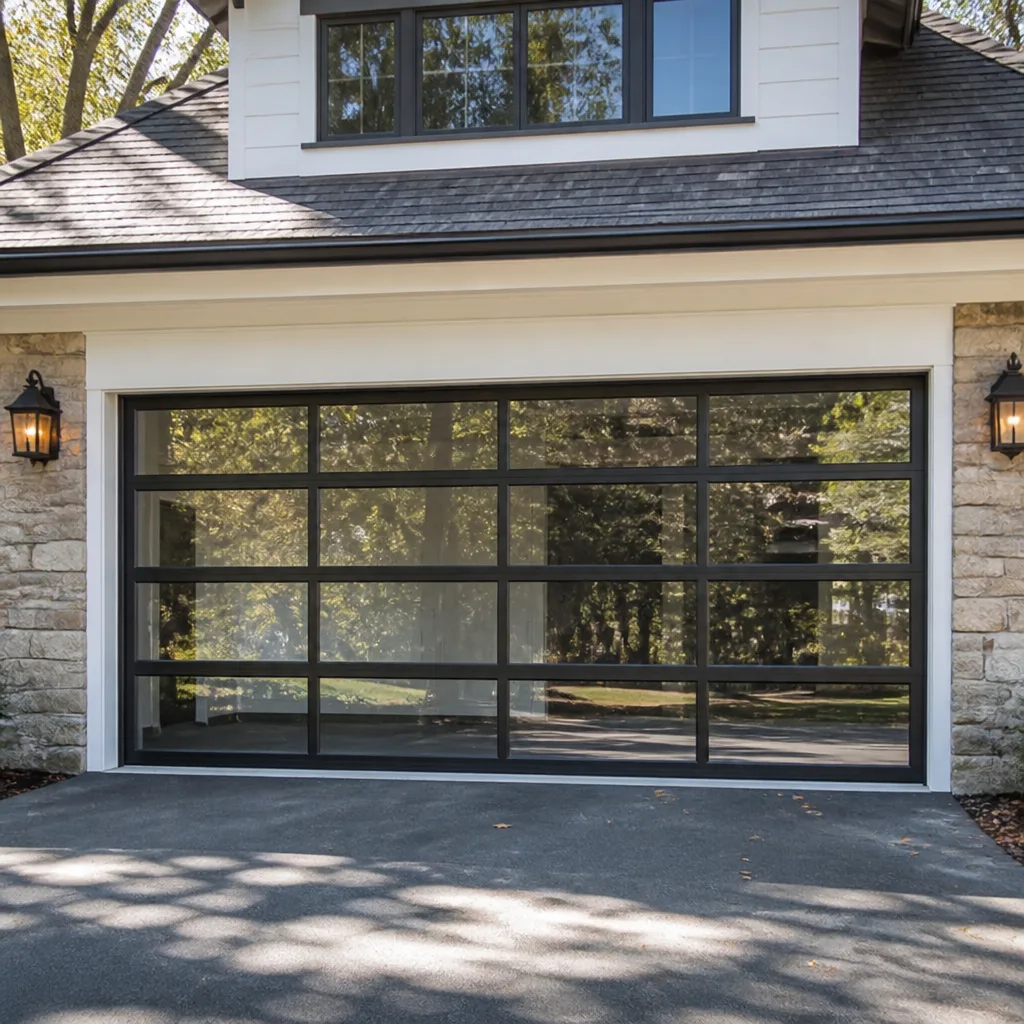 Full-view glass
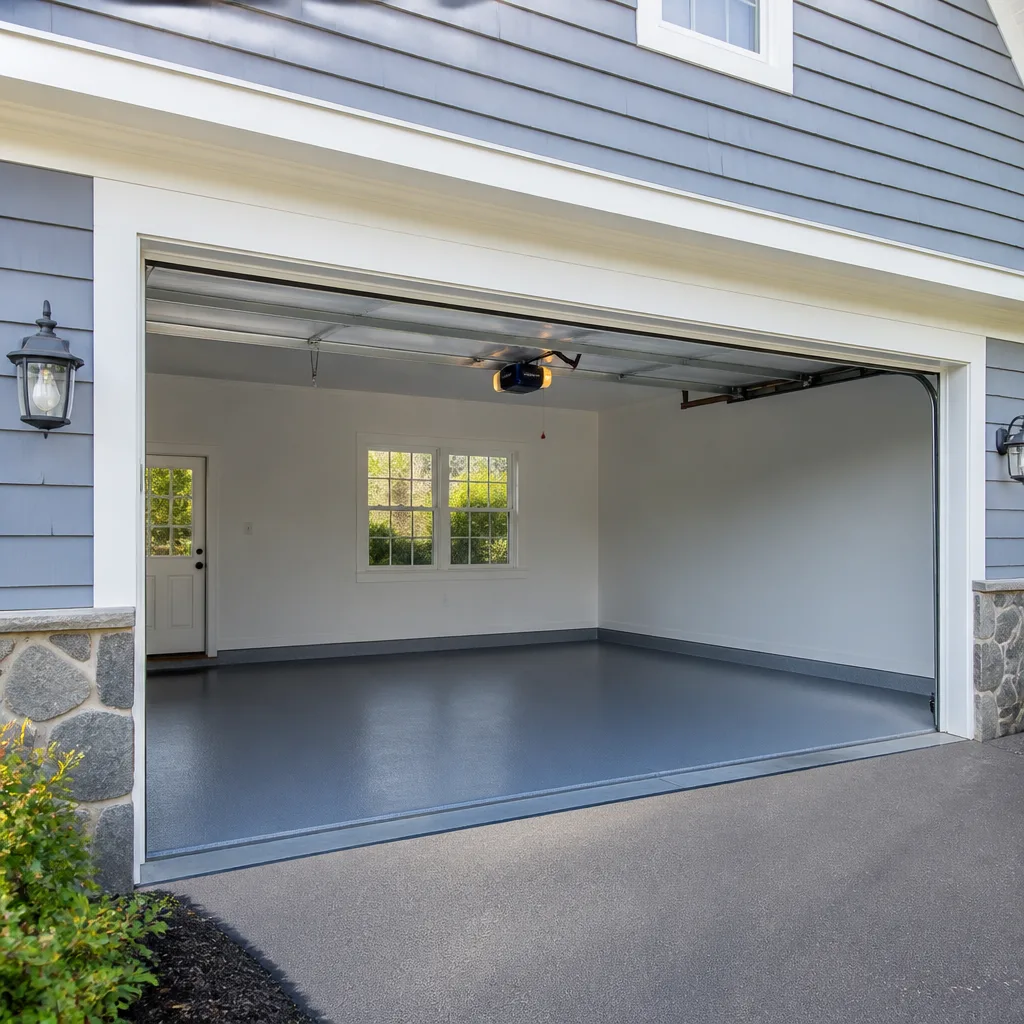 LiftMaster openers
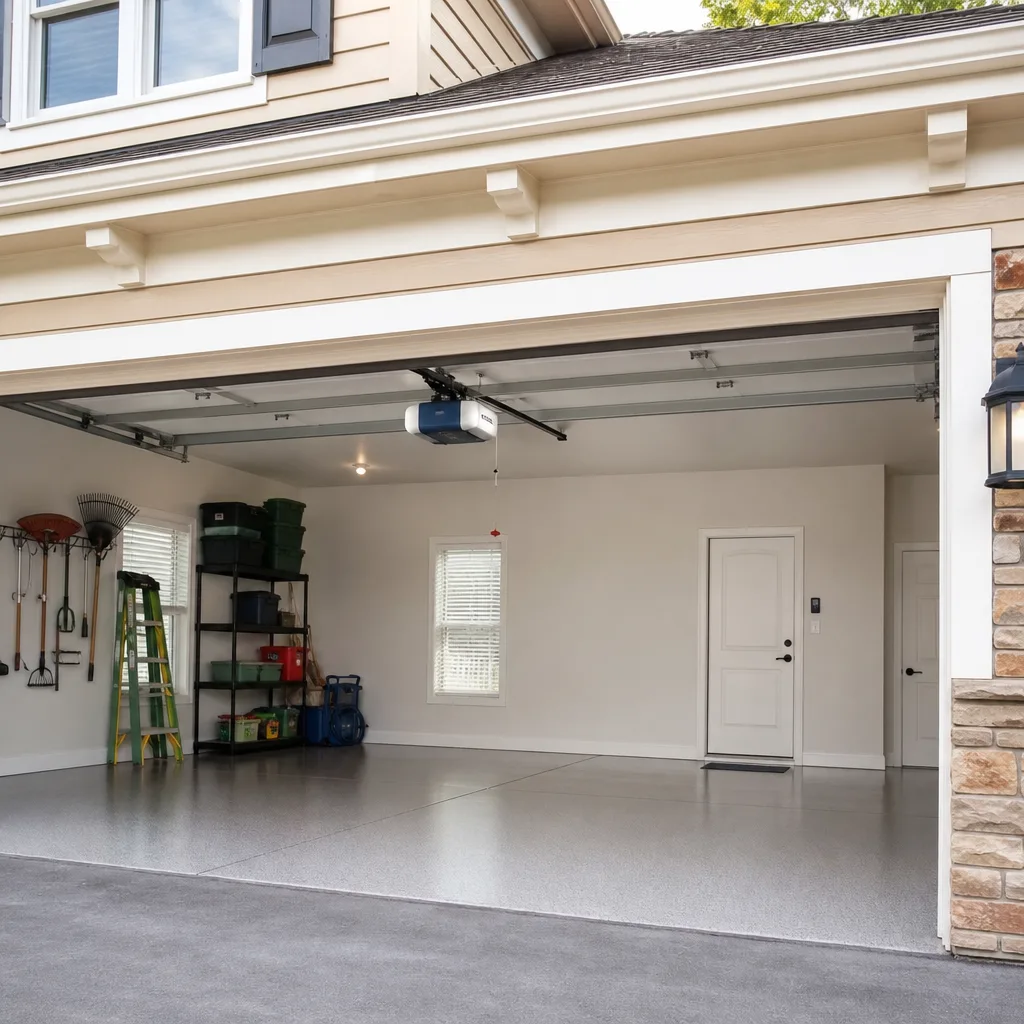 Chamberlain openers
Full 25-point door and opener safety check with every visit - springs, cables, rollers, tracks, and your LiftMaster or Chamberlain opener included
You get a price before we start. It does not change when the truck arrives.
Get your free estimateDIY vs Professional Garage Door: The Ontario Homeowner’s Decision Guide
A torsion spring on a standard residential garage door stores roughly 100 foot-pounds of torque when fully wound. That’s comparable to the force of a car door slamming at highway speed, concentrated into a coil of steel mounted directly above your head. Every year in Ontario, homeowners learn this the hard way in a split second. This guide draws the line between what a competent homeowner can safely handle and what needs a trained professional, so you don’t become one of those cautionary stories. We’ll walk through specific tasks, real costs in the Ontario market, and the California building code requirements most guides never mention.
Styles & brands we work with
Quick Answer
Garage door DIY is safe only for maintenance tasks like lubrication, weatherstripping, sensor cleaning and alignment, and minor visual inspections. Anything involving torsion springs, cables, cable drums, or full door installation over 16 feet wide should always go to a licensed professional in Ontario. The dividing line isn’t your handiness. It’s the amount of stored mechanical energy you’d be working next to.
Table of Contents
- The Energy Problem: Why Garage Doors Are Different From Other DIY Projects
- What’s Actually Safe to DIY: Four Tasks a Competent Homeowner Can Handle
- Never DIY, No Matter How Handy You Are: The Three Absolute Lines
- What California Building Code Means for Your DIY Installation
- The Hidden Cost of a DIY Mistake: What Ontario Homeowners Actually Pay
- How to Self-Diagnose With Manufacturer Apps Before Calling Anyone
- Why Brand Matters More Than You Think in the DIY Decision
- Common Mistakes to Avoid
- When to Call a Professional
- Frequently Asked Questions
- The Bottom Line
The Energy Problem: Why Garage Doors Are Different From Other DIY Projects
Most home improvement tasks, even ones that go wrong, fail safely. You hang a shelf poorly and it falls. You caulk a window sloppily and it leaks. The failure mode is annoying but rarely dangerous. A garage door is the exception because the components that make it work are designed to store and release large amounts of mechanical energy on demand.
Think about what a garage door actually does. A typical two-car door in an Ontario home weighs between 150 and 300 pounds depending on whether it’s steel, wood, or composite. The torsion spring system’s entire job is to offset that weight so a small electric motor, or a single human arm, can move it. That means the springs are tensioned to exert hundreds of pounds of force at all times, even when the door is sitting still and looking perfectly harmless.
When those springs fail, they don’t just break. They release that stored energy in a fraction of a second. The components attached to them, the winding cones, the cables, the cable drums, turn into projectiles or whipping hazards. This isn’t a theoretical risk. Emergency rooms treat garage door spring injuries every year across the Inland Empire, and a meaningful percentage involve homeowners who had successfully completed other DIY repairs around the house before this one.
The other energy source people underestimate is gravity itself. If a cable slips while you’re working under a partially open door, the full weight of that 200-plus pound panel comes down. There’s no catching it. There’s no stepping out of the way fast enough. This is why the distinction between safe and unsafe garage door work isn’t about skill or confidence. It’s about whether you’re in the path of stored energy you can’t control.
In Ontario’s climate, there’s a compounding factor. The temperature swings between summer and winter, and the dry, dusty conditions common in the Inland Empire, accelerate wear on springs and cables. A spring that’s been quietly corroding for eight years might look fine on the outside while it’s structurally compromised. A homeowner doing a visual inspection can’t see the micro-fractures building up inside the coil. Technicians who work on garage doors in Ontario every day learn to recognize the signs because they see the failures, not just the parts.
What’s Actually Safe to DIY: Four Tasks a Competent Homeowner Can Handle
Before we get to the dangerous stuff, let’s be clear: there is legitimate garage door maintenance you can do yourself. These four tasks require no special tools beyond what a typical Ontario homeowner already owns, they involve working near the door rather than on its tensioned components, and they genuinely extend the life of your system when done correctly.
1. Lubrication
Every garage door with metal rollers, hinges, and a metal track needs periodic lubrication to run smoothly. Use a silicone-based or lithium-based spray lubricant, never WD-40, which is a solvent and will actually strip protective lubricant away. Target the rollers, hinges, springs, and the opener chain or screw drive if you have one. In Ontario’s dry climate, a good schedule is every six months. If you hear squeaking or grinding, you’ve waited too long. This takes twenty minutes and costs under fifteen dollars in supplies.
2. Weatherstripping Replacement
The rubber seal along the bottom of your garage door degrades in heat and sun, and Ontario gets plenty of both. Replacing it is a straightforward job: pull out the old strip, slide in the new one, cut to length. The same goes for the vinyl weatherstripping around the door frame. This matters more than just keeping dust out. A worn seal changes how the door sits against the floor, and over time that small change can contribute to alignment issues. A replacement bottom seal costs fifteen to twenty-five dollars at any hardware store in Ontario.
3. Safety Sensor Cleaning and Alignment
Those small photo-eye sensors on either side of your door near the floor get dusty fast, especially during Ontario’s windy season. If the door starts reversing for no apparent reason, clean the sensor lenses with a dry cloth first. If that doesn’t fix it, check that both sensors point directly at each other and that their small indicator lights are lit. A gentle adjustment of the mounting bracket is usually all that’s needed. Never bypass or disable the sensors, even temporarily. They exist because garage doors have crushed people, and modern openers made after 1993 are required to have them for good reason.
4. Minor Track Inspections
You can inspect your tracks for visible debris, and you can wipe them clean with a dry rag. You can also check that the track brackets are snug against the wall by hand-tightening loose lag bolts with a socket wrench. What you should not do is attempt to straighten a bent track, reposition a track that’s come out of alignment, or remove the track to “fix” it. The track guides the full weight of the door, and adjusting it changes the geometry of the entire system. If the track is visibly bent, that’s a call to a Garage Door Repair in Ontario professional.
Never DIY, No Matter How Handy You Are: The Three Absolute Lines
Here’s where the distinction gets clear. These are the tasks where the risk equation changes completely, and no amount of YouTube research, caution, or mechanical aptitude changes the fundamental danger. If you remember nothing else from this guide, remember these three lines.
Torsion Spring Replacement: The Non-Negotiable
Torsion springs are the long coiled springs mounted on a metal bar directly above the door opening. When you wind or unwind them, you’re working directly with the stored energy we talked about earlier. Professionals use dedicated winding bars that fit precisely into the spring’s winding cone. A homeowner using screwdrivers or makeshift rods is working with tools that can slip out of the cone under load. When that happens, the bar becomes a projectile. This is not a scenario where being careful saves you. This is a scenario where the correct tooling, the correct process, and years of experience are the minimum barrier to entry. In Ontario, a torsion spring replacement typically requires a service call, and the parts themselves are matched to the door’s weight, height, and cable drum size. A mismatched spring is dangerous even when installed by someone who knows what they’re doing.
Cable and Cable Drum Work: The Silent Killer
The lift cables run along both sides of the door and wrap around drums at the top. They carry the full weight of the door whenever it’s in motion, and they’re under tension even when the door is closed. If a cable frays and you try to replace it while the spring system is still tensioned, you’re creating a scenario where the door can drop or the cable can whip. Cable drums have to be set in a specific position relative to the spring. Get it wrong and the door lifts unevenly, which over time warps the tracks, damages the panels, and stresses the opener motor. This work requires partially disassembling the torsion assembly, which circles right back to the first non-negotiable.
Any Repair on a Door Over 16 Feet Wide
Most residential garage doors top out at 16 feet for a two-car opening. Commercial and light-industrial doors in Ontario’s warehouse districts and auto shops run bigger. The engineering math changes at that scale. The springs are larger, the cables carry more load, and the consequences of a failure are proportionally worse. Even a “simple” spring replacement on an 18-foot commercial door is specialized work that goes beyond what most residential-focused technicians handle. This is where you need a company that works across both residential and light-commercial systems. Cobblestone Garage Door Repair works on this full range without blinking, but it’s also work we’d never suggest a property owner attempt on their own.
What California Building Code Means for Your DIY Installation
This is the part most DIY guides skip entirely, and it’s the part that costs Ontario homeowners real money when they get it wrong. California has some of the strictest building codes in the country, and garage doors sit squarely inside that regulatory framework.
Under the California Residential Code, a garage door installation is considered a structural modification. That means if you’re installing a new door where one didn’t exist before, or significantly altering the opening, you need a building permit from the City of Ontario. Here’s the part that surprises people: even if you do all the work yourself, the permit application requires documentation, and the city may require a licensed contractor to sign off on certain portions of the installation, particularly the structural aspects of the header, the framing, and the load-bearing components.
If you’re replacing an existing door of the same size, a permit is often not required. But “often” is doing a lot of work in that sentence. Ontario’s building department can clarify the specific requirements for your address, and the rules have changed several times in recent years as the state has tightened energy efficiency standards. A door that met code five years ago might not meet the current insulation and safety sensor requirements for a new installation.
The practical takeaway for a DIY-minded Ontario homeowner: installation is the least DIY-friendly category in the entire garage door world, and not because of the mechanical work. It’s the paperwork. A professional Garage Door Installation in Ontario company handles permits, knows which door models meet current California energy code, and can tell you before you spend a dime whether your project needs city approval. When you’re weighing DIY installation to save money, factor in the cost of a failed inspection, or the cost of redoing work that didn’t pass, and the math shifts fast.
The Hidden Cost of a DIY Mistake: What Ontario Homeowners Actually Pay
Let’s talk about the economics honestly, because the sticker price of a professional repair is what pushes most people toward DIY in the first place.
A crookedly installed track, a door that’s been forced into service with mismatched springs, or an opener that’s been wired incorrectly will all operate for a while. That’s the trap. The damage accrues quietly. A misaligned track wears the rollers unevenly. Worn rollers then damage the track further. The door starts putting lateral stress on the hinges, which pull at the panel attachment points. Six months later, a job that would have been a few hundred dollars is now a full panel replacement, new track for the affected side, and possibly a new opener because the motor burned out fighting the resistance.
We’ve walked into Ontario homes where a homeowner spent a weekend “fixing” a door, and the follow-up repair cost three times what the original fix would have. Here’s a rough sense of what we see locally:
- Professional torsion spring replacement: $180 to $340, typically same day
- Correcting a DIY spring mistake (misaligned door, damaged cable, bent track): $400 to $900, often requiring multiple parts
- Professional track realignment: $125 to $200
- Correcting a DIY track “fix” (replacing bent sections, new rollers, panel repair): $350 to $1,100 depending on panel damage
- Professional weatherstripping replacement: $75 to $150 including parts
- Correcting opener damage after forcing a door with a broken spring: $200 to $550 for new opener, plus the original spring repair
The pattern is consistent. The DIY job that succeeds saves you a few hundred dollars. The DIY job that goes sideways costs you two to four times the original professional quote. And that’s before you account for the medical bills, which we’d rather not put numbers on.
The other cost most people don’t consider is time. A professional spring replacement takes less than an hour on site. A homeowner researching how to do it, acquiring the right springs (which most hardware stores don’t even stock), attempting the job, and then calling a professional when it doesn’t work has just spent a full weekend creating a more expensive problem. Your time in Ontario has value too.
How to Self-Diagnose With Manufacturer Apps Before Calling Anyone
Here’s the DIY sweet spot that actually saves you money without putting you in danger: diagnostic work. Modern garage door openers are smarter than most homeowners realize, and the companies that make them have invested heavily in user-facing diagnostic tools.
1. Identify Your Opener Brand and Model
Look at the motor housing on the ceiling of your garage. The brand and model number are printed on a label. The big three in Ontario homes are LiftMaster and Chamberlain (same parent company, different product lines) and Genie. Each has its own app ecosystem.
2. Download the Matching App
Chamberlain and LiftMaster both use the myQ app. Genie owners use Aladdin Connect. These apps connect to your opener via Wi-Fi and provide real-time diagnostic information: error codes, usage history, sensor status, and battery levels for backup units. If your opener is older and doesn’t have connectivity, the error codes can still be read manually by counting the flashes on the learn button, and the owner’s manual will have the corresponding table.
3. Read the Error Before You Clear the Error
The most useful thing these apps display is the specific error code from the opener’s last few cycles. A door that reverses mid-travel could be a sensor obstruction, a force-setting issue, or a failure in the travel limit module. Each of those has a different code, and knowing the code before you call means the technician can arrive with the right part. In our experience, Ontario homeowners who share these codes with us during the initial phone call get faster, cheaper repairs than ones who just report “the door won’t close.”
4. Document What You See
Take a short video of the door’s behavior from a safe distance. Video of the door stalling at the same spot every time, or the opener clicking without engaging, gives a technician more information than a verbal description ever could. This is true diagnostic help that costs you nothing and genuinely improves the outcome.
If you need a hand making sense of what the app is telling you, or the error code is pointing to the opener motor itself, that’s where Garage Door Opener Repair in Ontario expertise comes in. Opener repair is its own discipline, separate from panel and spring work, and a company that treats it as a standalone specialty is going to diagnose smart-tech issues faster than a generalist. Your opener is the brain of the system. When the brain is malfunctioning, everything else looks broken even when it isn’t.
Why Brand Matters More Than You Think in the DIY Decision
One of the quiet truths of the garage door world is that brands are not interchangeable. A Clopay door with Amarr springs is a mismatch waiting to cause problems. A Genie opener running a Chamberlain rail system will never function correctly, even if some YouTube video convinced someone they’re compatible. This matters to the DIY decision in two ways.
First, brand mismatches are a common root cause of “mystery” garage door problems. A door that jolts when it opens, or grinds when it closes, or sits slightly crooked in the opening, is frequently running parts that were never designed to work together. A previous owner bought whatever was cheapest, or a previous “handyman” installed whatever was on his truck. Diagnosing and correcting these mismatches requires broad familiarity across competing brands and their engineering differences. That’s exactly the problem a multi-brand company is built to solve.
Second, brand matters because parts availability in Ontario varies. At Cobblestone Garage Door Repair, our techs work on all eight major brands: LiftMaster, Chamberlain, Genie, Clopay, Amarr, Wayne Dalton, Craftsman, and Raynor. We stock and source parts across that full range and understand the differences in how each brand’s systems are designed. That’s a core part of why we can say “works on your brand” without hesitation. A shop that primarily services one or two brands might tell you a part is impossible to find when it’s really just outside their normal supply chain.
For the DIY homeowner, the takeaway is simple. Before you attempt any repair, know your door brand and your opener brand. If they’re mismatched, or if you can’t identify them, that’s a signal that the system may have a patchwork history. Proceed with extra caution, or better yet, let a professional diagnose what’s actually there. We’ll tell you what’s actually wrong, including whether the issue is a failure of one component or a fundamental incompatibility between components.
Common Mistakes to Avoid
- Using WD-40 as a lubricant. It’s a solvent, not a lubricant. It will strip the protective coating off your springs and rollers and leave them more vulnerable to wear and rust. Use a silicone or lithium spray made specifically for garage door components.
- Attempting to “tighten” a sagging door by adjusting the cables. Uneven cables are a symptom of a problem at the spring or drum level. Adjusting the cable without addressing the root cause makes the imbalance worse, often within a matter of days.
- Ignoring a door that’s slightly uneven until it gets worse. A door that sits a quarter inch off level is already wearing its rollers and track unevenly. The repair cost goes up every week it’s ignored. In Ontario’s dry heat, the wear cycle accelerates.
- Replacing the opener when the spring is the actual problem. A broken spring makes the door feel heavy, and the natural conclusion is that the opener motor is weak. Contractors who don’t diagnose properly will sell a new opener and leave the broken spring behind. Within weeks, the new opener is struggling and the real repair is now more expensive.
- Disabling the safety sensors because the door “keeps reversing.” The door reverses because something is wrong. Bypassing the sensors to force it closed solves the symptom while creating a genuine crushing hazard for anyone or anything in the door’s path. Never bypass a safety sensor.
- Buying a replacement spring online without matching it to the door’s exact weight and dimensions. An under-sprung door won’t open fully and strains the opener. An over-sprung door is a violent hazard. Spring selection is a calculation, not a guess.
- Skipping the permit on an install that changes the opening size. The City of Ontario will catch it eventually, and when they do, you’ll be tearing out work and starting over with permits in hand. The permit is cheaper than the redo.
When to Call a Professional
If your garage door has a broken torsion spring, a frayed or snapped cable, a visibly bent track, or any problem on a door wider than 16 feet, call a professional. The risk is not theoretical and the cost of getting it wrong is not measured in dollars alone. If you’re installing a new door and the opening size is changing, the permitting process alone justifies bringing in an expert. And if you’ve already attempted a repair and the door is worse than it was before you started, don’t take a second run at it based on another video. The system is now in an unknown state, which is the most dangerous state for a garage door to be in.
Cobblestone Garage Door Repair offers free estimates in Ontario. Call (866) 667-5857 and we’ll tell you what’s actually wrong, what it costs to fix properly, and what can wait. No pressure, no upsell. Built to last, done right the first time.
Frequently Asked Questions
Torsion spring replacement in Ontario typically runs $180 to $340 for a standard residential door, including parts and labor, and most companies including ours quote the total price before work begins. Call (866) 667-5857 for an exact quote for your door. Estimates are free and the price is agreed before we touch anything.
No. Torsion springs store enough energy to cause serious injury or death when mishandled, and even experienced DIYers lack the proper winding tools and calibration knowledge. This is the one repair where every professional in Ontario, including our team at Cobblestone Garage Door Repair, draws the same hard line.
Lubricate your rollers, hinges, and springs with silicone spray every six months, replace worn weatherstripping, clean and align your safety sensors, and inspect your tracks for visible damage or loose bolts. These tasks are safe, cheap, and genuinely extend the life of your door.
Permits are typically not required for replacing an existing door of the same size, but changing the opening dimensions or installing a door where none existed before usually triggers permit requirements under California Residential Code. Check with the City of Ontario building department or ask a licensed Garage Door Installation in Ontario company to handle it for you.
The most common cause is dirty or misaligned safety sensors near the floor. Clean the lenses, make sure both sensors face each other directly, and check that the indicator lights are on. If that doesn’t fix it, the issue is likely a force setting or travel limit problem in the opener itself, which is a diagnostic call for Garage Door Opener Repair in Ontario.
We service and install all eight major brands: LiftMaster, Chamberlain, Genie, Clopay, Amarr, Wayne Dalton, Craftsman, and Raynor. If your door or opener is from any of these manufacturers, or even if you’re not sure what’s installed, Cobblestone Garage Door Repair home is your starting point. One call, full service.
The Bottom Line
The DIY vs. professional garage door decision comes down to one question: are you near stored mechanical energy or not? Lubricating, sealing, cleaning sensors, and inspecting from the ground are all fine for a competent homeowner. Touching springs, cables, drums, or doing structural installation work is never fine, regardless of skill. Ontario homeowners who respect that line save money, avoid injury, and end up with a garage door that works quietly and smoothly for years. For everything on the wrong side of the line, Cobblestone Garage Door Repair handles repair, opener work, and installation across all major brands. Call (866) 667-5857 for a free estimate, or start with the Garage Door Repair in Ontario page to learn more about how we work.
Written by the team at Cobblestone Garage Door Repair, serving Ontario since 2016.
See the difference
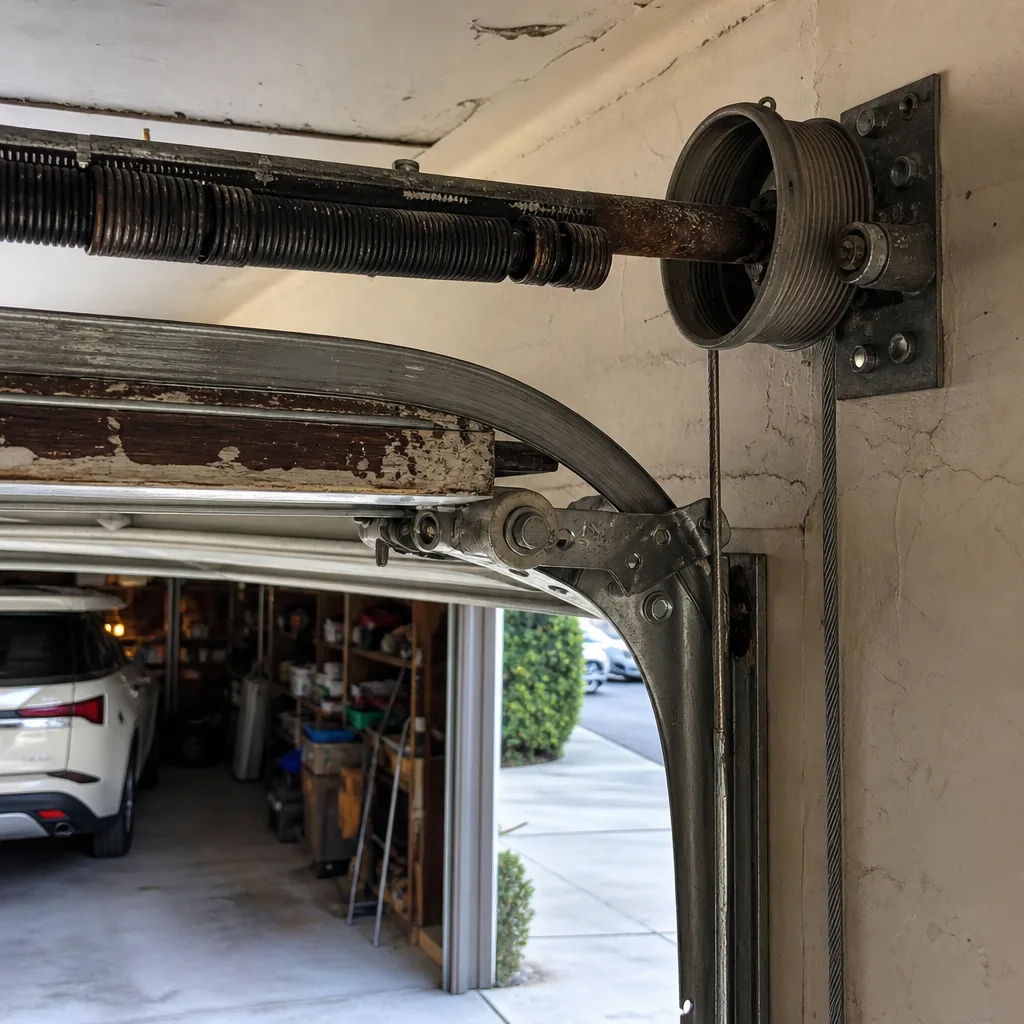 Before
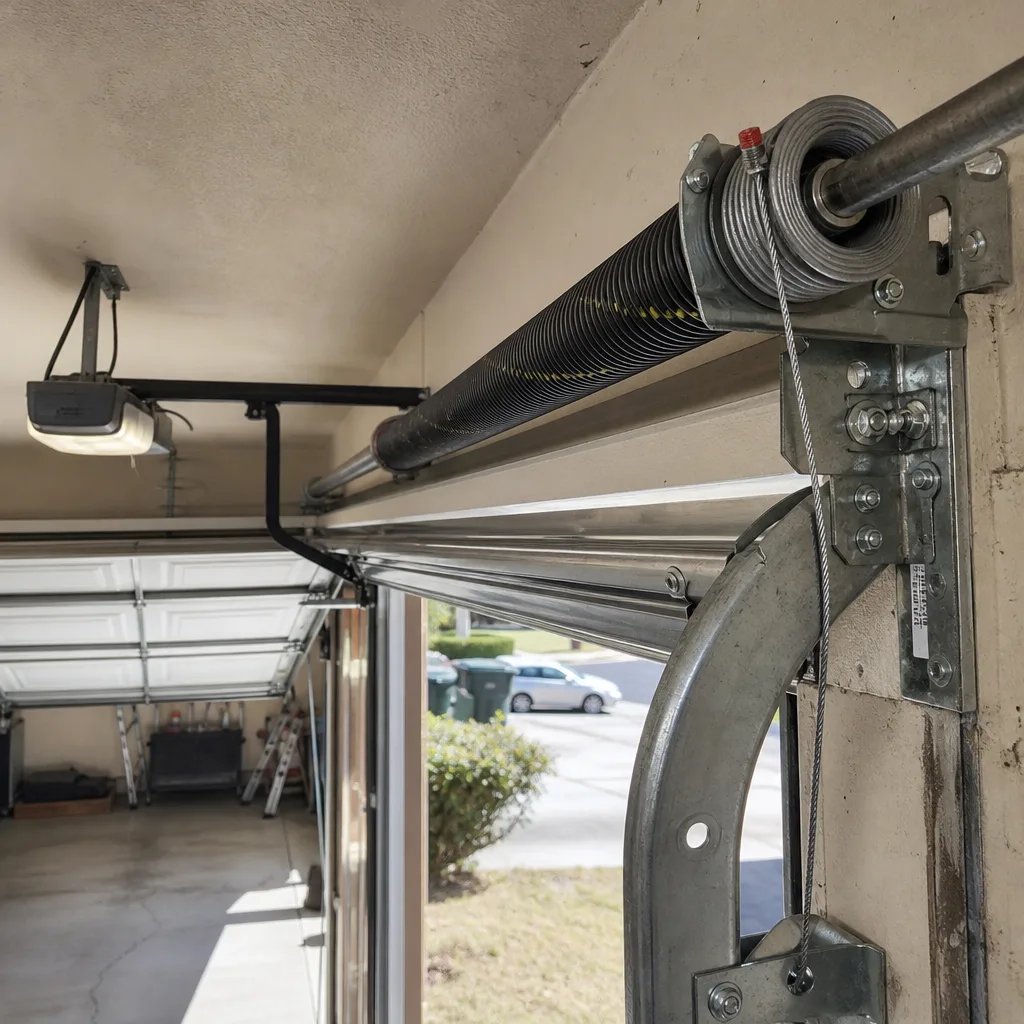 After
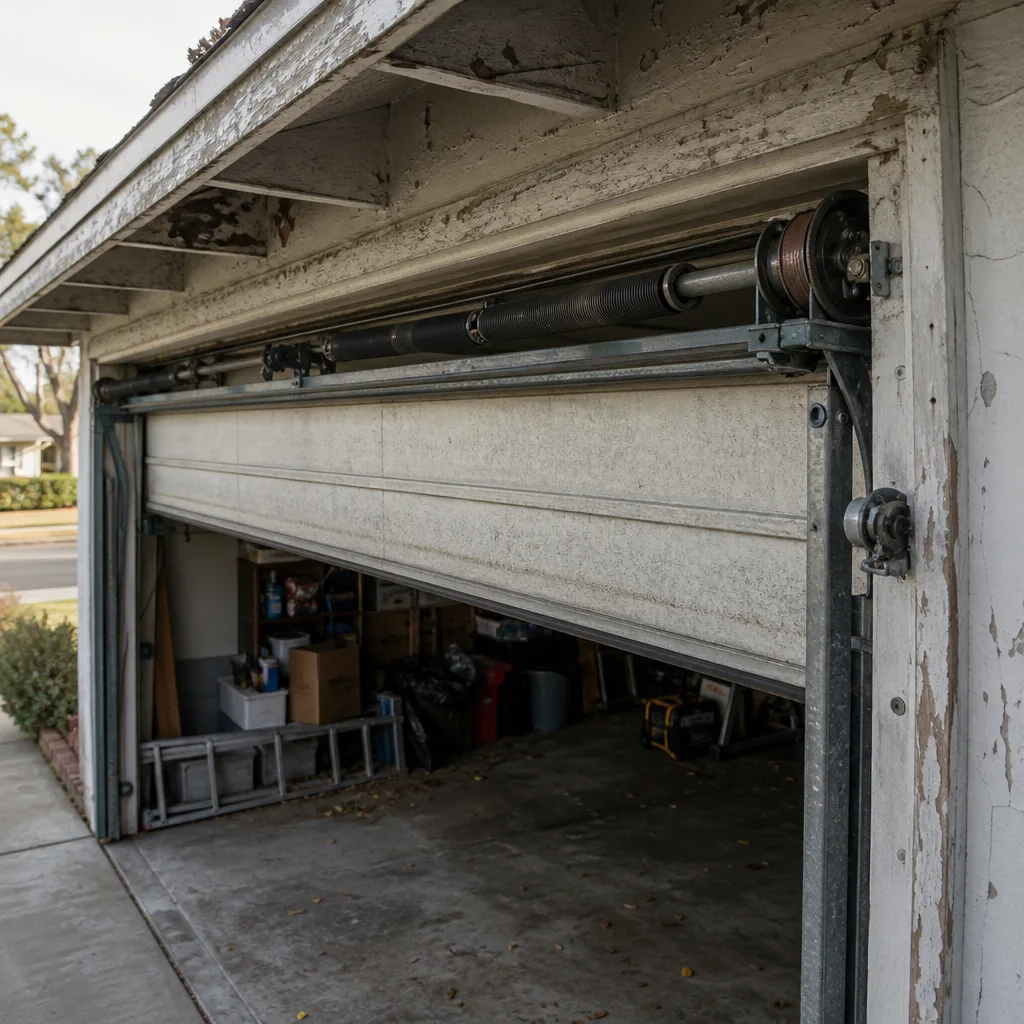 Before
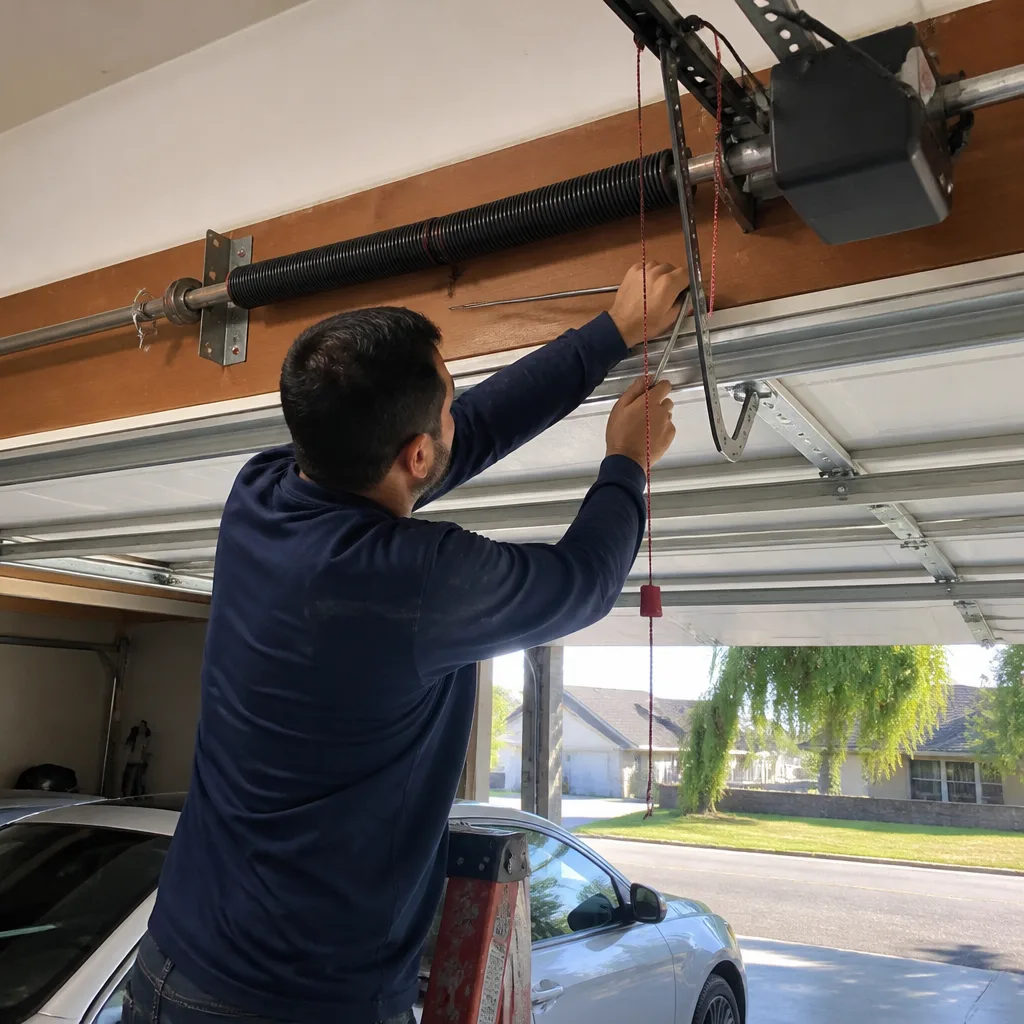 After
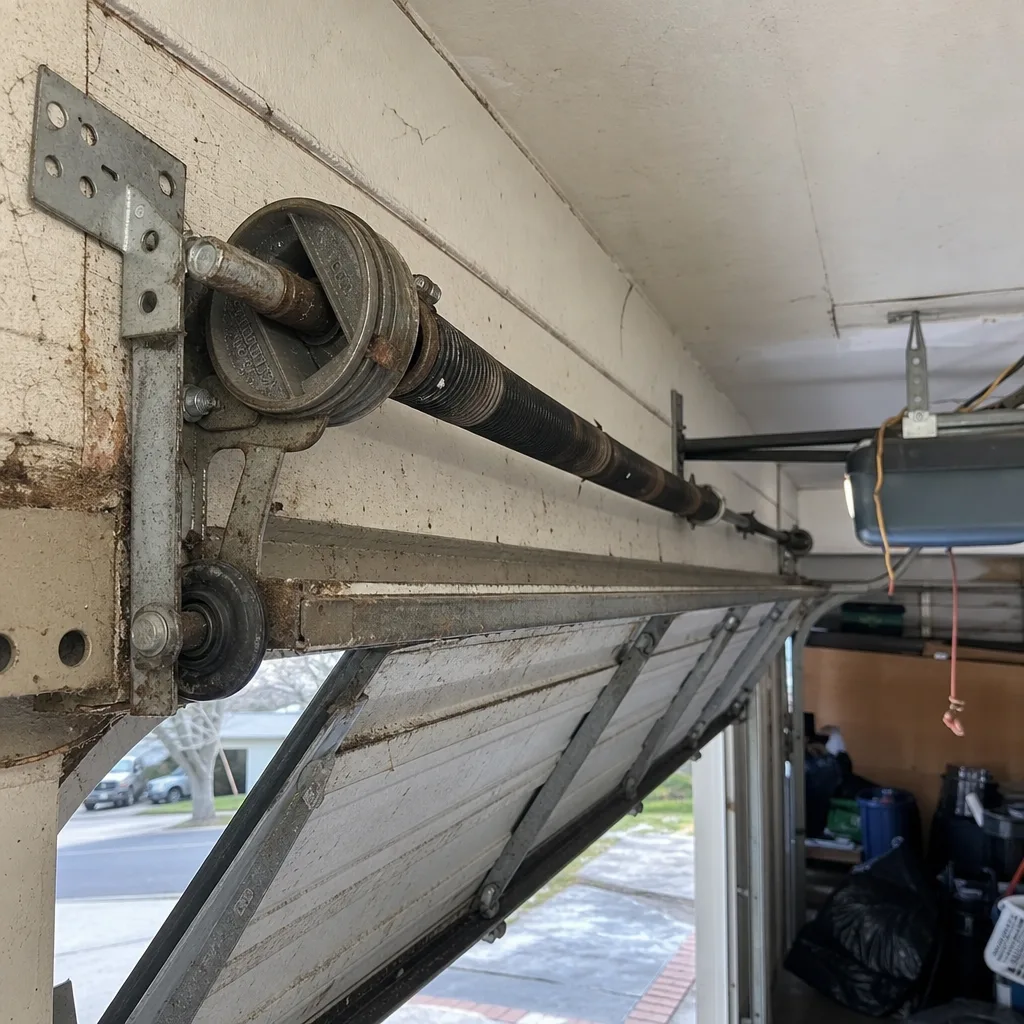 Before
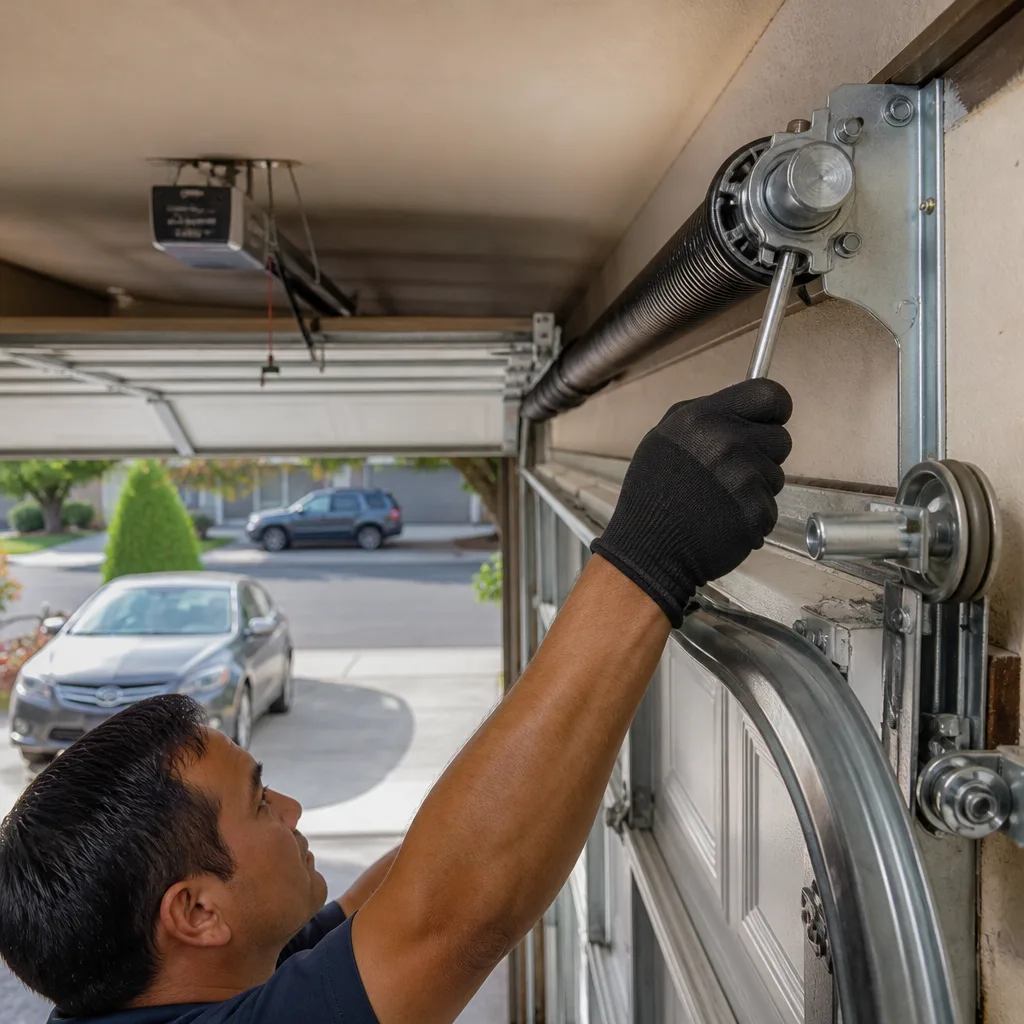 After