
Last updated October 30, 2026
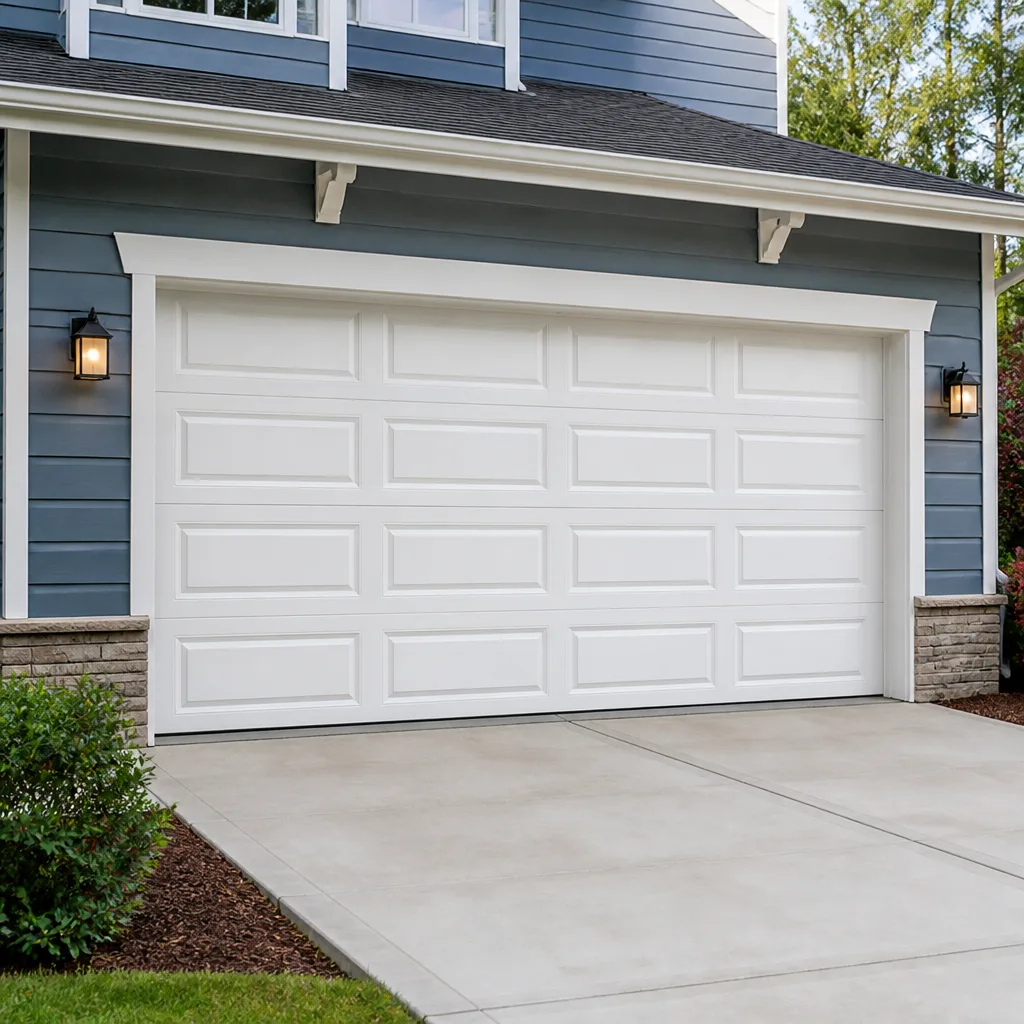 Raised-panel steel
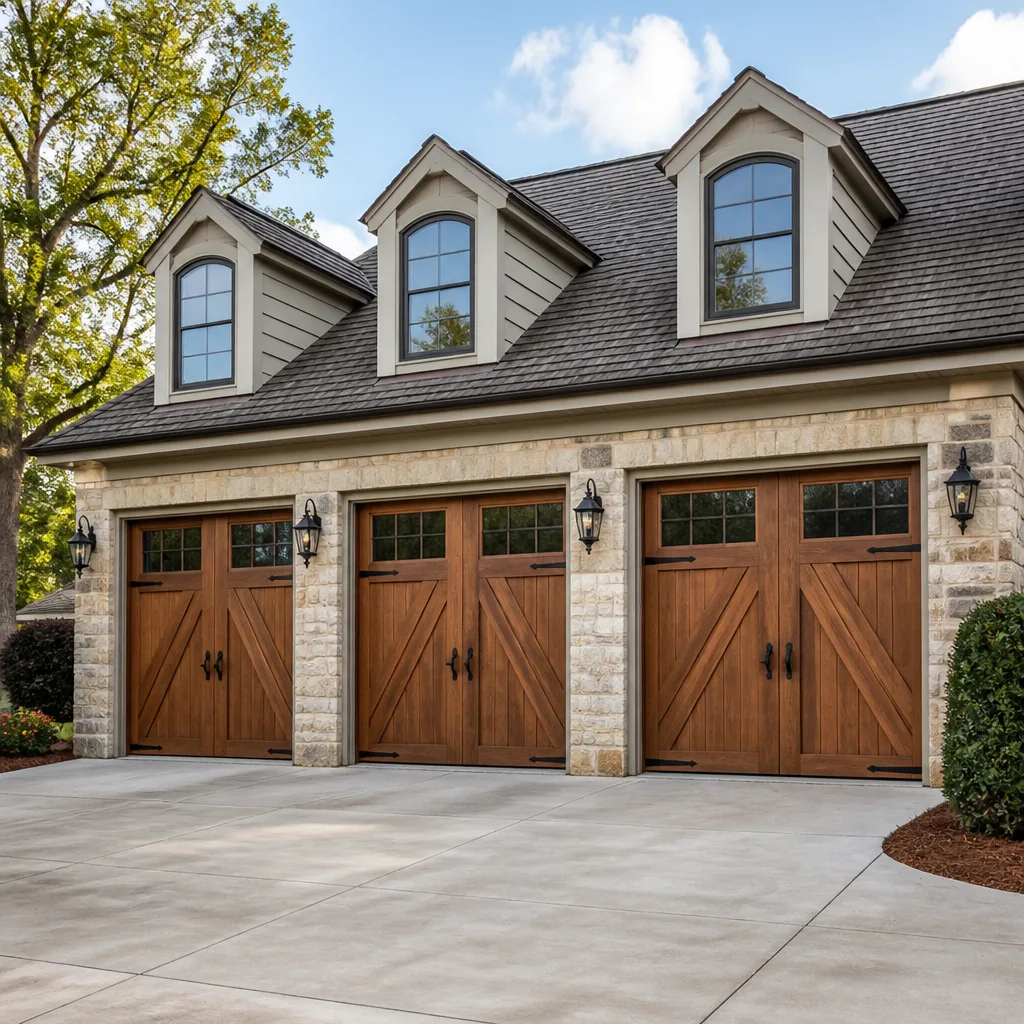 Carriage house
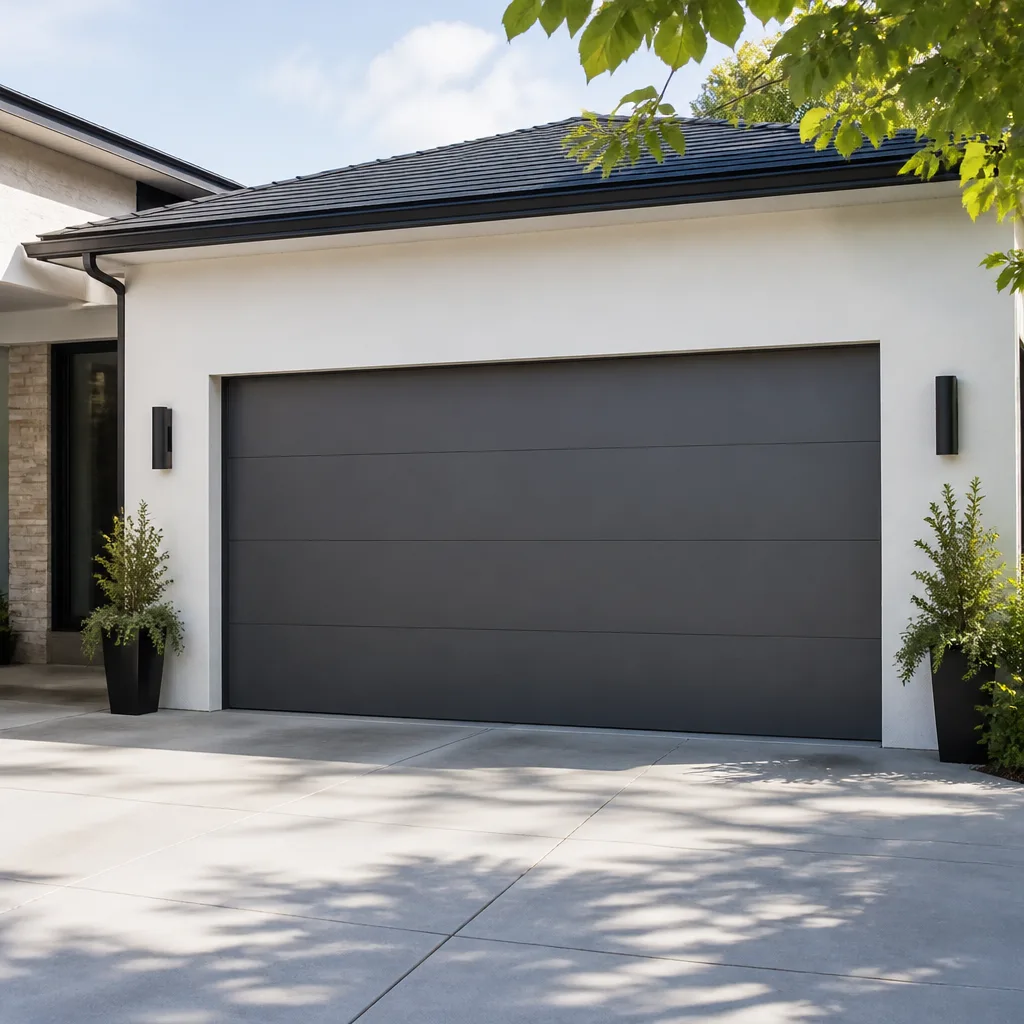 Modern flush
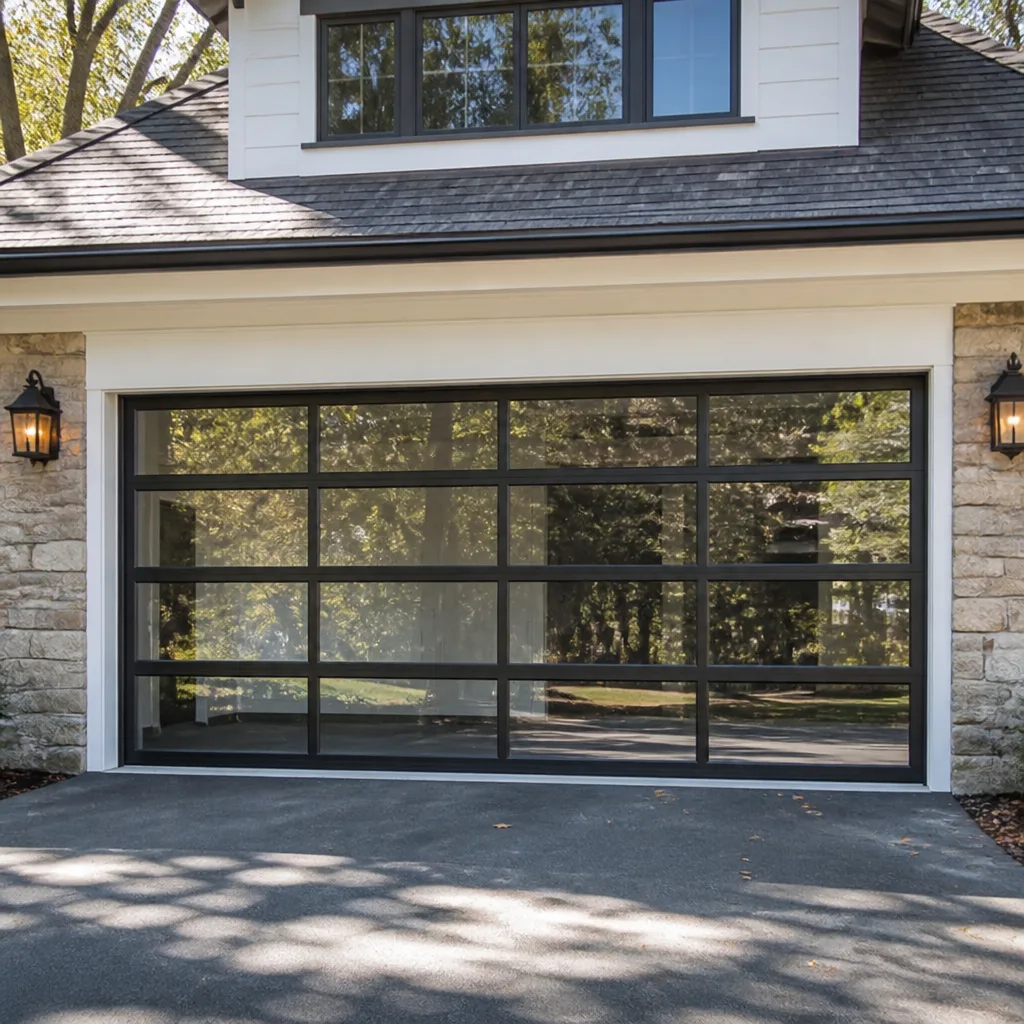 Full-view glass
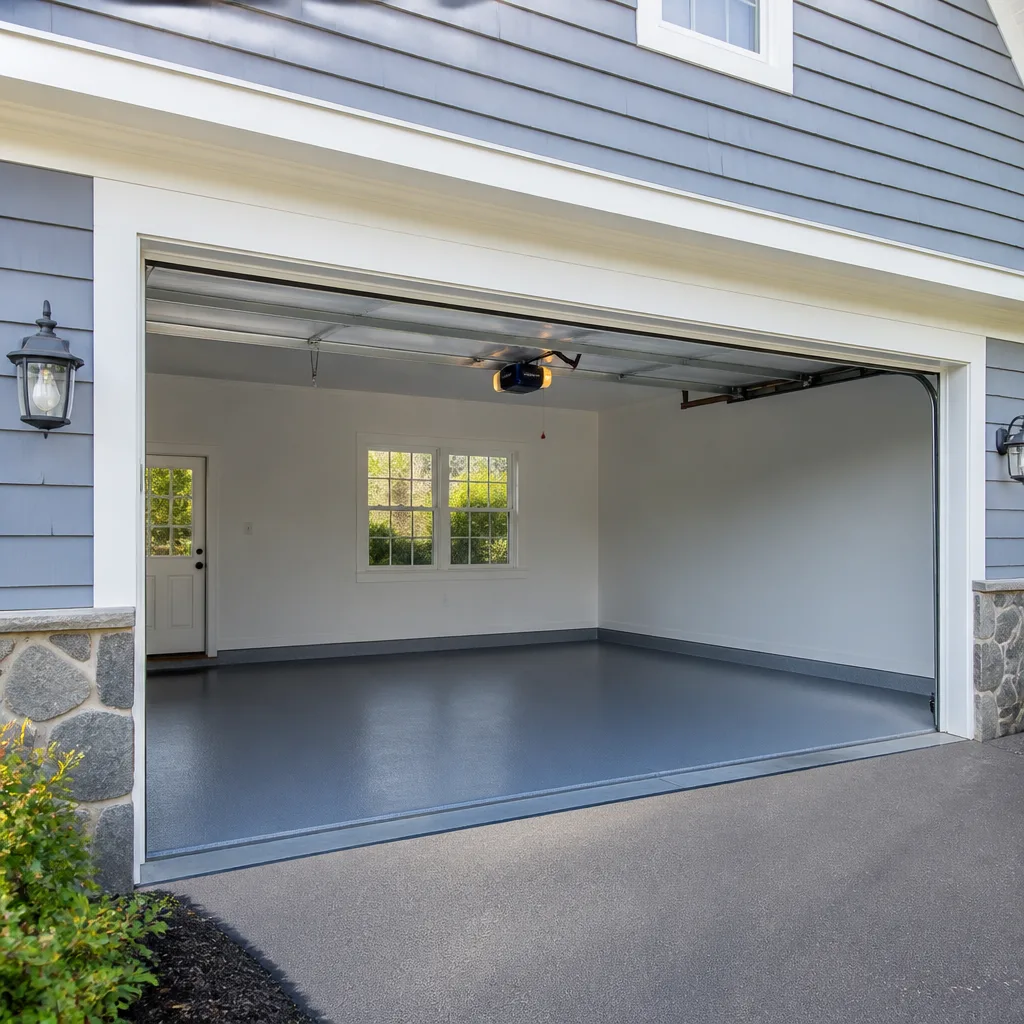 LiftMaster openers
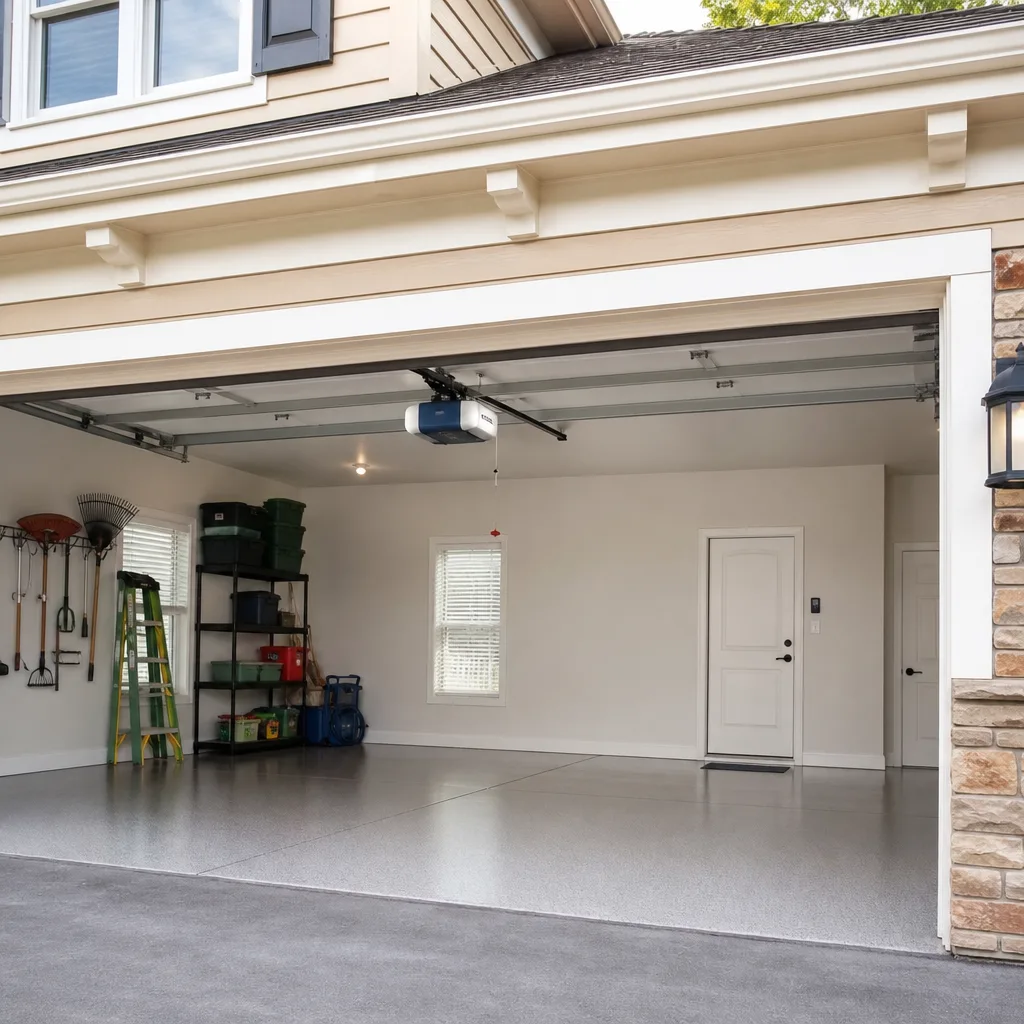 Chamberlain openers
Full 25-point door and opener safety check with every visit - springs, cables, rollers, tracks, and your LiftMaster or Chamberlain opener included
You get a price before we start. It does not change when the truck arrives.
Get your free estimateThe Complete Guide to Garage Door in Ontario
Most Ontario homeowners replace their garage door springs two to three years earlier than the rated cycle life, not because the springs were cheap, but because nobody accounted for the daily 40-degree temperature swings between summer mornings and afternoons in the Inland Empire. A spring rated for 10,000 cycles should theoretically last a decade. In Ontario, that number quietly drops because metal expands and contracts every single day from June through October, and that thermal cycling is a slow, invisible form of wear most guides & resources never mention. This guide treats your garage door the way a mechanic treats an engine: as a climate-exposed system where heat, wind, and age work together. You’ll learn what actually fails first in Ontario, what repairs cost locally, when a permit matters, and how to decide between fixing what you have and replacing the whole system.
Styles & brands we work with
Quick Answer
A garage door in Ontario, CA is a mechanical system with four main components, the panels, springs, opener, and track, and most failures trace back to spring fatigue from Inland Empire heat or opener sensor misalignment from daily use. Repair costs in Ontario typically run $150 to $350 for most spring, cable, and sensor work, while full door replacement ranges from $1,200 to $3,800 depending on size, material, and insulation—see our Garage Door Cost Breakdown: The Ontario Homeowner’s Reference for 2026 for deeper pricing. If the door feels heavy when you lift it manually, the springs are failing, and you should stop using the opener until a technician inspects it.
Table of Contents
- How the Ontario Climate Affects Your Garage Door
- The Four Components of a Garage Door System
- Garage Door Spring Repair Costs in Ontario
- Opener Repair vs. Replacement: What Ontario Homeowners Should Know
- Clearance and Headroom Challenges in Ontario Tract Homes
- Why Multi-Brand Service Matters for Your Garage Door
- Ontario Permit Triggers: When Replacement Requires Inspection
- Cosmetic Upgrade vs. Full Mechanical Overhaul
- Common Mistakes to Avoid
- When to Call a Professional
- Frequently Asked Questions
- The Bottom Line
How the Ontario Climate Affects Your Garage Door
Ontario sits in a heat belt that most garage door guides, written with a national audience in mind, simply don’t address. Summer temperatures in Ontario routinely cross 105 degrees, and your garage becomes an oven. A dark-painted steel door on a west-facing Ontario home can reach surface temperatures 30 to 40 degrees hotter than the ambient air. That heat transfers inward to the torsion spring mounted above the door, and here’s what matters: oil-impregnated springs lose their internal lubrication faster at sustained high temperatures. The metal itself doesn’t melt, obviously, but the lubricant inside the spring coil degrades, friction increases, and each open-and-close cycle generates more internal wear than it would in a coastal climate like Long Beach or San Diego.
Then there’s the daily swing. Ontario summer mornings often start in the mid-60s. By 3 p.m., it’s 105 or more. That’s a 40-degree shift every single day for months. Steel expands when hot and contracts when cold, and every expansion-contraction cycle applies micro-stress to the spring’s molecular structure. Over 2,000 to 3,000 daily cycles in a single summer, that stress accumulates. We’ve seen springs in Ontario neighborhoods like Cypress Pointe and Kimball Park snap at 7,000 cycles when identical springs in Orange County coastal homes lasted to 12,000. The difference isn’t build quality. It’s climate.
Wind is the third factor. Ontario sits near the mouth of the Cajon Pass, and sustained winds of 15 to 25 mph are common in spring and fall. Wind pressure against a closed 16-by-7-foot door, that’s 112 square feet of surface area, torques the panels and stresses the hinges and rollers. Over years, you’ll see hairline fractures at panel joints and premature roller wear, especially on homes near Ontario Ranch or along the 60 corridor where wind funnels unabated. A door that wobbles in the wind is telling you its reinforcement struts are under-designed for this specific microclimate.
What this means practically: if you live in Ontario and your springs failed at what seems like a low cycle count, you’re not unlucky and you didn’t buy bad parts. Your door lives in one of the harder thermal environments in Southern California. The fix isn’t to avoid using your garage. It’s to have a technician who understands local conditions recommend the right spring rating, and to schedule an annual inspection that catches fatigue before a spring snaps and leaves your car trapped inside.
The Four Components of a Garage Door System
A garage door isn’t one thing. It’s four interconnected systems, and understanding which one failed is the difference between a $200 repair and a $2,500 replacement. Here’s how each piece works, and how they fail in Ontario specifically.
Panels: The visible face of the door. Ontario’s high winds and sun exposure cause two common problems: UV fading on non-insulated steel doors, and stress cracks where panel sections connect. Steel panels with polyurethane insulation hold up better in Ontario heat because the insulation layer acts as a thermal buffer, reducing heat transfer to the door’s structural frame. Cracked panels can sometimes be replaced individually. Warped or delaminated panels usually mean the door’s structural integrity is compromised and full replacement makes more sense.
Springs: The counterbalance that makes a 150-to-200-pound door feel like it weighs 10 pounds. Torsion springs, mounted horizontally above the door opening, are standard on most Ontario homes built after 1990. Extension springs, mounted vertically on both sides, still exist on older homes, particularly in Ontario’s historic downtown and older Rancho Cucamonga-adjacent neighborhoods. Both types are dangerous to service without proper tools and training. A spring under tension stores enough potential energy to cause serious injury if it slips during amateur handling, which is why our DIY vs Professional Garage Door: The Ontario Homeowner’s Decision Guide recommends leaving this work to technicians.
Opener: The motor and drive system that automates the door. Modern openers from LiftMaster, Chamberlain, and Genie include safety sensors, force adjustment controls, and increasingly, smart-home connectivity. The opener doesn’t lift a properly balanced door, it merely guides it. If you’re hearing the opener strain, the real problem is often the springs, not the motor.
Track and Rollers: The steel rails and wheels that guide the door from vertical to horizontal. Ontario’s dry climate generates fine dust that coats tracks and rollers, and without periodic cleaning, that dust becomes grit. Worn rollers cause the door to shimmy during operation, which accelerates wear on every other component.
Understanding these four pieces matters because most “garage door problems” are actually spring or sensor problems misdiagnosed by homeowners as opener problems or panel problems. We’ll tell you what’s actually wrong, because an accurate diagnosis is the fastest path to a repair that lasts. If you’re unsure which component is failing, repair work in Ontario starts with identifying the failure point, not replacing parts blindly.
Garage Door Spring Repair Costs in Ontario
Garage door spring repair in Ontario typically costs between $180 and $340 for a standard torsion spring replacement, including the part and labor. Extension spring replacement runs slightly lower, usually $140 to $260. The spread depends on spring size, wire gauge, and whether one or both springs need replacement. A single torsion spring handles a single-car door. A double-car door needs two, and when one breaks, the other is usually close behind.
Here’s a breakdown of spring repair pricing in the Ontario market:
- Torsion spring, single door: $180 to $260 installed
- Torsion springs, double door (pair): $260 to $340 installed
- Extension spring pair: $140 to $220 installed
- Spring plus cable replacement (common package): $220 to $380 installed
- Spring upgrade to high-cycle (25,000+ cycles): $300 to $420 installed
High-cycle springs deserve a mention because in Ontario’s climate, they’re often the smart purchase even though they cost more upfront. Standard springs are rated for roughly 10,000 cycles. A high-cycle spring, with a thicker wire gauge and oil-impregnated coating, is rated for 25,000 or more. If you plan to stay in your Ontario home for five or more years, the upgrade typically pays for itself by avoiding a second service call. And in our experience, Ontario’s heat makes high-cycle springs a recommendation we give more often than not.
One note that matters for your decision: any reputable technician, us included, will quote the total price before starting the work. You should never be surprised by a spring repair invoice. The price quoted is the price you pay, agreed before the first tool comes out. If a contractor won’t commit to that, find another. Free estimates are standard for this kind of work in Ontario, and an honest technician has no problem putting a number in writing before turning a single wrench.
For more pricing context on local repair rates, see our detailed breakdown of Garage Door Repair in Ontario.
Opener Repair vs. Replacement: What Ontario Homeowners Should Know
Your opener is the brain of the system. Panels and springs do the heavy lifting, but the opener controls when, how fast, and how safely. Opener problems fall into three categories, and knowing which one you’re dealing with determines whether you repair or replace.
Sensor misalignment: The most common opener issue in Ontario, and the cheapest to fix. Those two small photo-eye sensors near the floor on either side of your door must point directly at each other. A bump from a trash can, a box, or a kid’s bike knocks them out of alignment, and the door refuses to close, or reverses halfway down. Fixing this usually takes ten minutes and should cost $80 to $120 for a service call. It rarely requires replacement.
Drive system wear: Chain-drive, belt-drive, and screw-drive openers all wear differently. Ontario’s heat accelerates wear on chain drives because metal-on-metal contact expands with temperature. If you hear grinding, rattling, or a loud clatter when the door moves, the drive mechanism is failing. Drive replacement on a Chamberlain or Genie unit costs $120 to $220, but if the motor is more than 12 years old, full opener replacement is often the smarter move. New opener units run $450 to $800 installed with smart features.
Logic board or motor failure: When the opener hums but doesn’t move, or responds erratically to remotes, the logic board or motor is dead. Replacement parts for LiftMaster and Chamberlain boards run $150 to $250, but on units older than a decade, replacement is the better value. A new LiftMaster opener with battery backup and smart-home integration costs $500 to $750 installed in Ontario.
The decision rule is simple: if your opener is under 8 years old and the fix is under $200, repair it. If it’s over 12 years old and the failure involves the motor or board, replace it. If you’re in the middle, get a diagnostic opinion. We work on openers from LiftMaster, Chamberlain, Genie, and Craftsman, so we can assess your unit’s condition without brand bias, and our opener repair service in Ontario covers everything from sensor alignment to full drive replacement.
Clearance and Headroom Challenges in Ontario Tract Homes
If your Ontario home was built between 1970 and 2000, there’s a decent chance your garage has a clearance problem you’ve never noticed. Tract homes from this era, particularly in neighborhoods like Laurel Park, Creekside, and the subdivisions south of the 60, were built fast and tight. Garage headroom, the space between the top of the door opening and the ceiling, often runs 10 to 14 inches instead of the 15 to 18 inches preferred for standard torsion spring setups.
Why this matters: low-headroom configurations require specialized track systems and different spring mounting points. A standard torsion spring assembly won’t fit, or it fits poorly and binds during operation. When a technician who doesn’t understand low-headroom kits tries to install standard hardware in a tight Ontario garage, you get a door that opens three-quarters of the way, rubs against the ceiling, or wears out rollers prematurely.
Side room clearance presents a similar issue. Older Ontario tract homes often have 3 to 4 inches of side clearance instead of the 5 to 6 inches a standard vertical track needs. The fix is a low-clearance track profile or an extension spring retrofit, but the diagnosis requires measuring before ordering parts. We measure every job before quoting, because swapping a door that doesn’t fit costs you time and money.
If you’re planning a replacement and own an older Ontario tract home, mention the age of the house when you call. It changes which door models work, and sometimes which spring systems make sense. A technician experienced with Ontario’s housing stock will know to check headroom and side clearance automatically. That’s the difference between a door that works perfectly for 15 years and one that binds and grinds from day one.
Why Multi-Brand Service Matters for Your Garage Door
Most garage door companies specialize. They stock parts for one or two brands, and their technicians know those systems deeply. That’s fine if your door happens to match their inventory. But Ontario homes are a mix, and over decades of construction, different builders installed different systems. Walk down any street in Ontario and you’ll find Clopay doors with LiftMaster openers, Amarr doors with Chamberlain openers, and Wayne Dalton doors with Genie openers. The equipment isn’t uniform, and a specialist who “doesn’t service that brand” leaves you hunting for someone else.
Our approach at Cobblestone Garage Door Repair is different by design. We work on eight major brands, including LiftMaster, Chamberlain, Genie, and Clopay, because we’ve found that brand-loyal technicians often miss the bigger picture. A Clopay door with a failing Chamberlain opener isn’t two separate problems. It’s one system where the opener’s torque curve no longer matches the door’s weight profile. Diagnosing that requires understanding both components, not just one. A narrow specialist sees a Chamberlain opener failure. We see a mismatched system that needs recalibration, not just a parts swap.
Multi-brand fluency also matters for warranty preservation. If you install a new Chamberlain opener on a door originally paired with a Genie rail, certain installation choices can void the opener’s motor warranty. Adjusting the door to compensate for an opener swap can void the door’s panel warranty. Technicians who know how these systems interrelate can navigate those requirements without leaving you unprotected. When we handle installation in Ontario, the goal is a matched system that performs correctly and keeps every warranty intact.
The practical takeaway: before you hire anyone, ask which brands they service. If the answer is “mainly one or two,” you’re rolling the dice on whether your particular system is in their wheelhouse. A multi-brand shop answers the question before you ask, because virtually no system in Ontario is outside our scope.
Ontario Permit Triggers: When Replacement Requires Inspection
Most garage door work in Ontario doesn’t require a permit. Replacing springs, swapping an opener, rewiring sensors, installing new rollers, all of it is routine repair and maintenance under the city’s building code. The rules change when you alter the opening itself or change the structural load path.
Here’s the Ontario-specific breakdown:
- Like-for-like door replacement: No permit required. Removing a 16-by-7 door and installing a new 16-by-7 door in the same opening is considered maintenance, even if the new door is a different material.
- Changing the opening size: Permit required. Enlarging the opening for a wider door, or converting a single-car door to a double, means cutting into structural framing. Ontario requires a building permit and an inspection.
- Adding a door where none existed: Permit required. Converting a carport to an enclosed garage, or cutting a new opening in a garage wall, always requires a permit in Ontario.
- Reinforcing the garage for a high-wind door: Possibly required. Ontario’s wind exposure near the Cajon Pass corridor occasionally triggers enhanced anchoring requirements. If your home is in a designated wind zone, a structural engineer’s sign-off may be needed.
- Electrical work for a new opener: Typically no separate permit. A new opener plugged into an existing outlet is fine. Adding new circuits or subpanels is a separate electrical permit.
The practical rule: if you’re replacing a door with the same size door and not modifying the frame, you’re clear. If you’re cutting, framing, or structurally altering anything, call the Ontario building department before you start. A licensed contractor will know the distinction and should tell you upfront. Obfuscating permit requirements is a red flag; a technician who says “we don’t need to worry about that” when the code says otherwise is not someone you want cutting into your house.
Cosmetic Upgrade vs. Full Mechanical Overhaul
There are two reasons to replace a garage door in Ontario: it looks tired, or it’s mechanically failing. Those are different problems with different price tags, and confusing them costs homeowners real money.
Cosmetic replacement means the door’s structure, springs, and tracks are sound, but the panels are faded, dented, or outdated. Maybe your Ontario home’s curb appeal needs a refresh. Maybe you’re selling and the garage door is the first thing buyers see. A cosmetic replacement swaps the door panels and nothing else. Springs, tracks, and opener stay. In Ontario’s market, a basic 16-by-7 steel door without insulation starts around $1,200 installed. An insulated steel door runs $1,800 to $2,800. A wood or wood-look door with windows pushes $3,500 to $5,000. These numbers assume the existing components are compatible, which a proper inspection confirms.
Mechanical overhaul means the door, springs, tracks, and often the opener have all reached end of life together. This is common on Ontario homes where the original 25-year-old door never got a spring replacement, and now everything is worn in sync. An overhaul includes new door panels, new torsion springs matched to the door’s exact weight, new tracks and rollers, possibly struts for wind reinforcement, and a new opener with smart features. Package pricing for a full system on a double-car Ontario garage typically lands between $2,500 and $4,500 depending on equipment choices.
How do you know which you need? Three questions. Does the door balance correctly when disconnected from the opener? If yes, the springs are fine. Do the tracks and rollers operate smoothly with no grinding? If yes, the mechanical foundation is sound. Is the only problem visual? If yes, you’re in cosmetic territory. If the door sags when lifted, makes grinding noises, or binds at any point, the mechanical system needs attention before you spend money on pretty panels.
A cosmetic upgrade on a mechanically failing door is like painting over rust. It looks fine for six months, then the underlying failure accelerates. We’d rather tell you the truth, which is why our approach in Ontario starts with a mechanical assessment before any aesthetic discussion. You get the door you need, not the door a salesperson wants to sell.
Common Mistakes to Avoid
- Ignoring a heavy door. If your door feels like it weighs 80 pounds when you lift it manually, the springs are failing. Continuing to use the opener forces the motor to work against that weight, burning out a $600 opener because a $250 spring repair got ignored.
- Replacing only one spring. On a two-spring door, both springs have the same cycle count. Replacing one leaves the other near failure, and you’ll be back in six months paying another service call fee in Ontario. Always replace springs in pairs.
- Lubricating the wrong parts. Springs and rollers need lubricant. Tracks don’t. Putting grease on garage door tracks in Ontario’s dusty climate creates a paste that accelerates roller wear. Use white lithium grease on hinges and springs, and leave the tracks dry.
- Buying a door without measuring headroom. As covered above, 1970s and 1980s tract homes in Ontario often have low headroom. Ordering a standard door without verifying clearance means a return trip, restocking fees, and a door that binds.
- Assuming all brands are interchangeable. A Chamberlain opener can work with a Clopay door, but the pairing requires correct force settings and travel limits. Amateur installs frequently leave force settings too high, which damages the door over time. Brand fluency matters.
- Skipping the wind reinforcement. Ontario’s wind exposure near the Cajon Pass means some doors need horizontal struts to prevent buckling under sustained gusts. A door that flexes in the wind is accumulating fatigue damage, even if it hasn’t failed yet.
- Trusting an estimate over the phone without seeing the door. Some Ontario homes have non-standard garage dimensions or pre-existing structural quirks. An on-site assessment prevents surprises. A technician who quotes blind is guessing, and you’ll pay for that guess either in change orders or shoddy work.
When to Call a Professional
You should call a professional any time the problem involves springs, cables, or a door that won’t balance. These components hold hundreds of pounds of stored tension, and a failure during DIY work causes serious injury. We’ve seen the aftermath of amateur spring work, and it’s not worth the $150 you’d save. Call when the door is heavy, when cables are frayed, when the door only opens partway, or when you hear grinding during operation. Also call if your door won’t close all the way, since sensor realignment often requires a trained reset procedure, not just a visual eyeball—our Garage Door Emergency Preparedness Guide for Ontario Homes explains what to do until help arrives.
If you’re in Ontario and any of these issues apply, Cobblestone Garage Door Repair offers free estimates throughout the city. Call (866) 667-5857 and we’ll diagnose the problem accurately, quote the price before work starts, and get your door working correctly the first time.
Frequently Asked Questions
Garage door spring replacement in Ontario typically costs $180 to $340 for a torsion spring or pair, including parts and labor. The exact price depends on door size, spring gauge, and whether you choose standard or high-cycle springs. Call (866) 667-5857 for an exact quote, estimates are free and the price is agreed before work starts.
Standard torsion springs in Ontario last between 5 and 8 years, roughly 7,000 to 10,000 cycles, because daily temperature swings and summer heat accelerate metal fatigue. High-cycle springs rated for 25,000 cycles typically last 12 to 15 years in this climate and are worth the upgrade if you plan to stay in your home.
For most spring, cable, and sensor repairs, yes, same-day service is available throughout Ontario, and the work usually takes 60 to 90 minutes on site. We stock common parts on the truck for LiftMaster, Chamberlain, Genie, and Clopay systems. Full door replacement requires measurement and ordering, which takes 3 to 7 days.
Replacing a garage door with the same size door in the same opening does not require a permit in Ontario. Enlarging the opening, adding a new door where none existed, or converting a carport does require a building permit and inspection.
Shaking during operation usually indicates worn rollers, loose track hardware, or a door that’s out of balance due to weakening springs. It’s often a combination, and Ontario’s wind exposure accelerates all three. Have a technician inspect the balance and roller condition before the vibration damages the opener.
If the panels are structurally intact and the track system is sound, repairing the springs and opener extends the door’s life by years and costs far less than replacement. If panels are cracked or delaminating, or if the door sags even after spring replacement, replacement is the better investment. We’ll tell you which applies to your specific door.
The Bottom Line
Your garage door lives in one of the harder climates in Southern California, and most “unexpected” failures in Ontario are actually predictable spring fatigue, wind-accelerated roller wear, or low-headroom installation compromise. The guide points are simple: replace springs in pairs, choose high-cycle springs if you’re staying long-term, measure headroom before ordering a door, and don’t ignore a heavy door. Work with a company that services your brand rather than one that only knows one or two systems, and that will give you a firm price before starting. That’s how you get a garage door in Ontario that works right the first time and lasts. Call (866) 667-5857 for a free estimate, and ask us anything. We’ll tell you what’s actually wrong, and we’ll fix it to last.
Written by the team at Cobblestone Garage Door Repair, serving Ontario since 2016.
For more service details, visit our Cobblestone Garage Door Repair home page.
See the difference
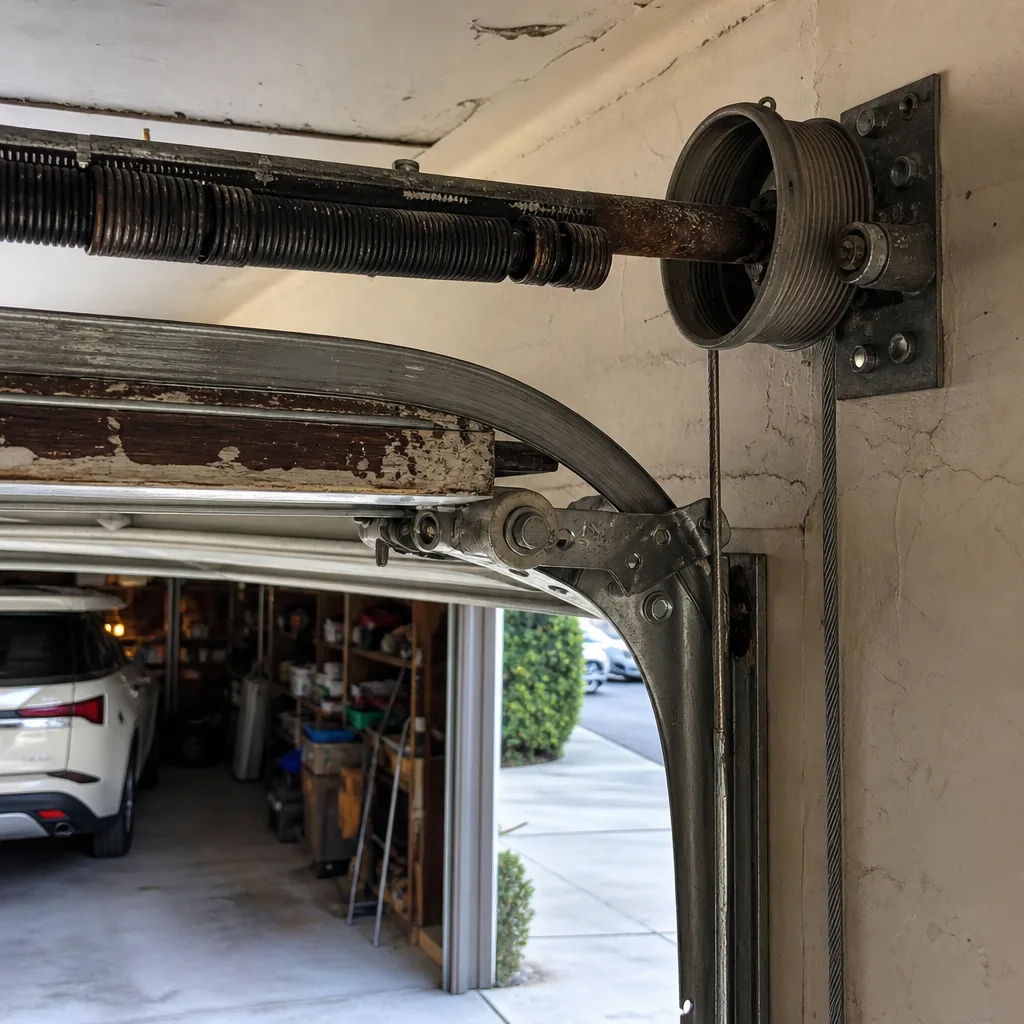 Before
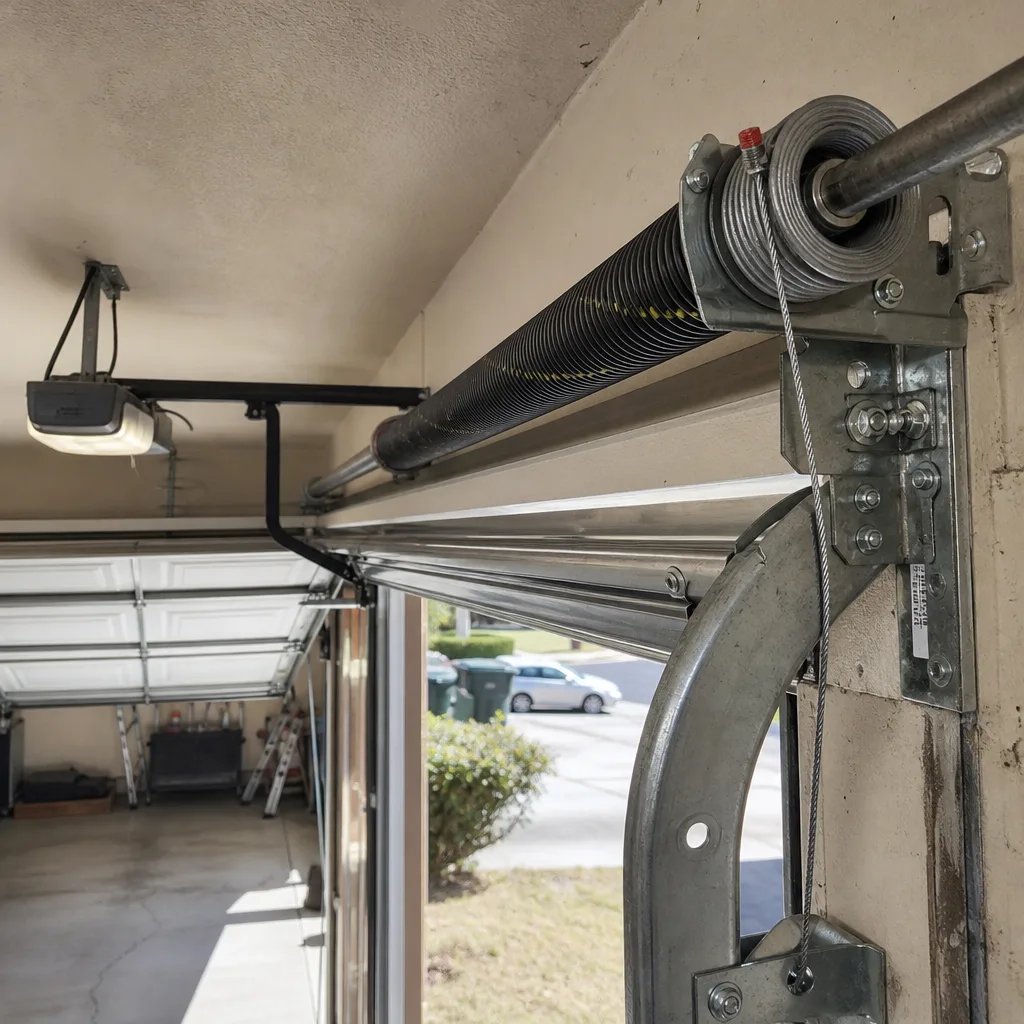 After
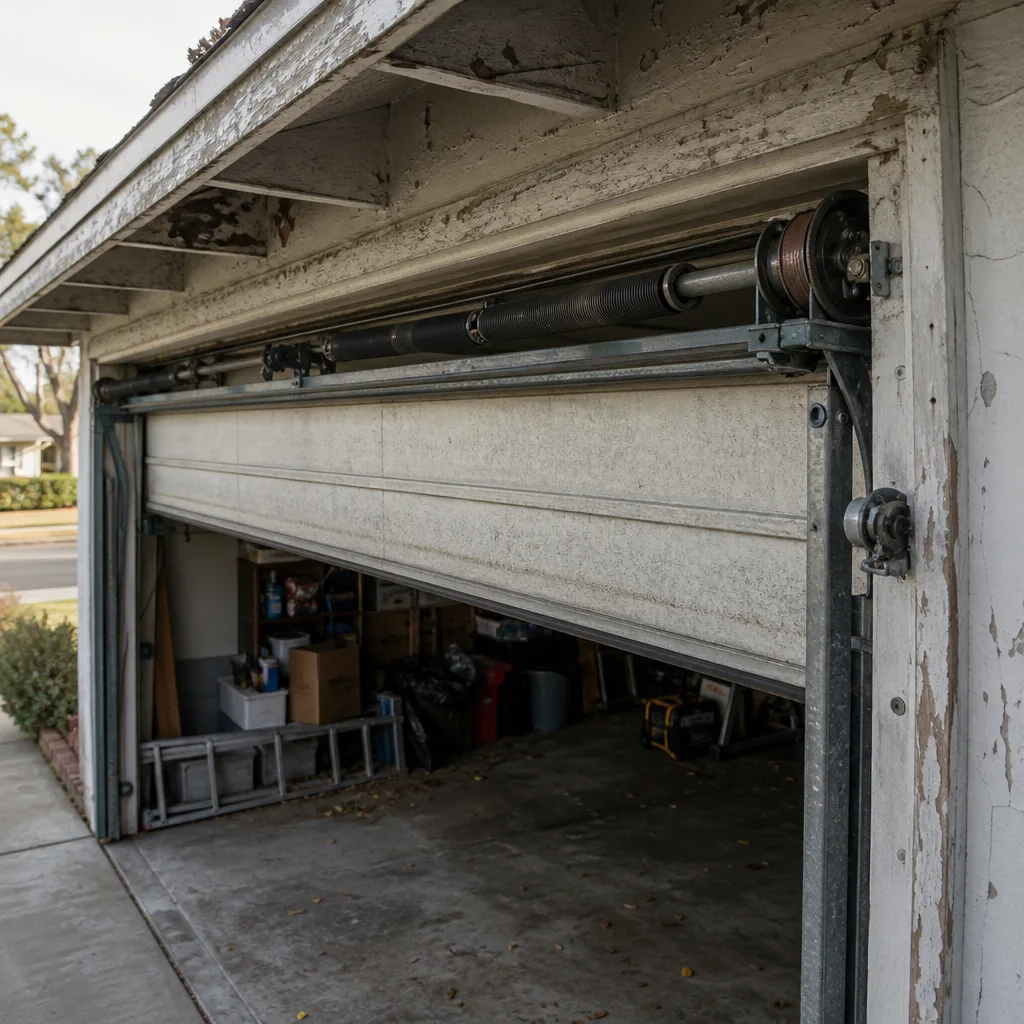 Before
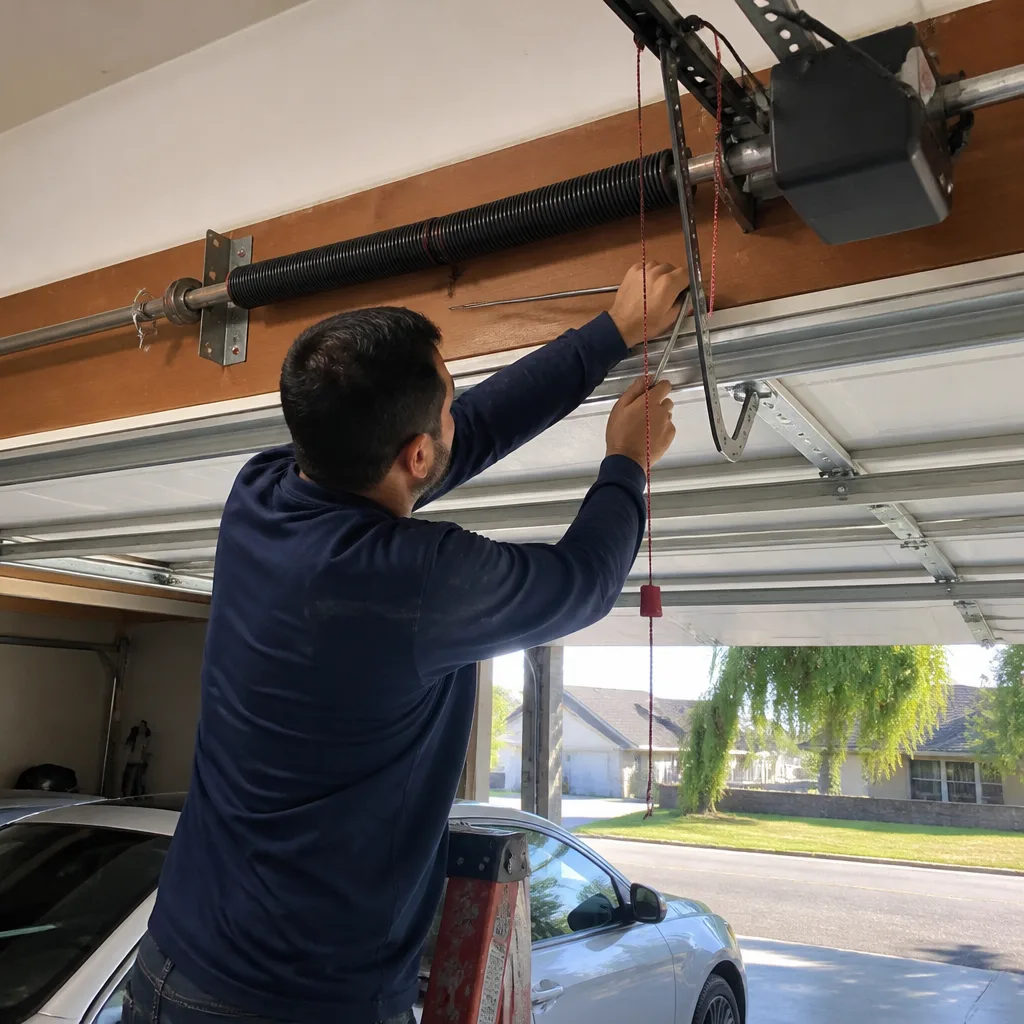 After
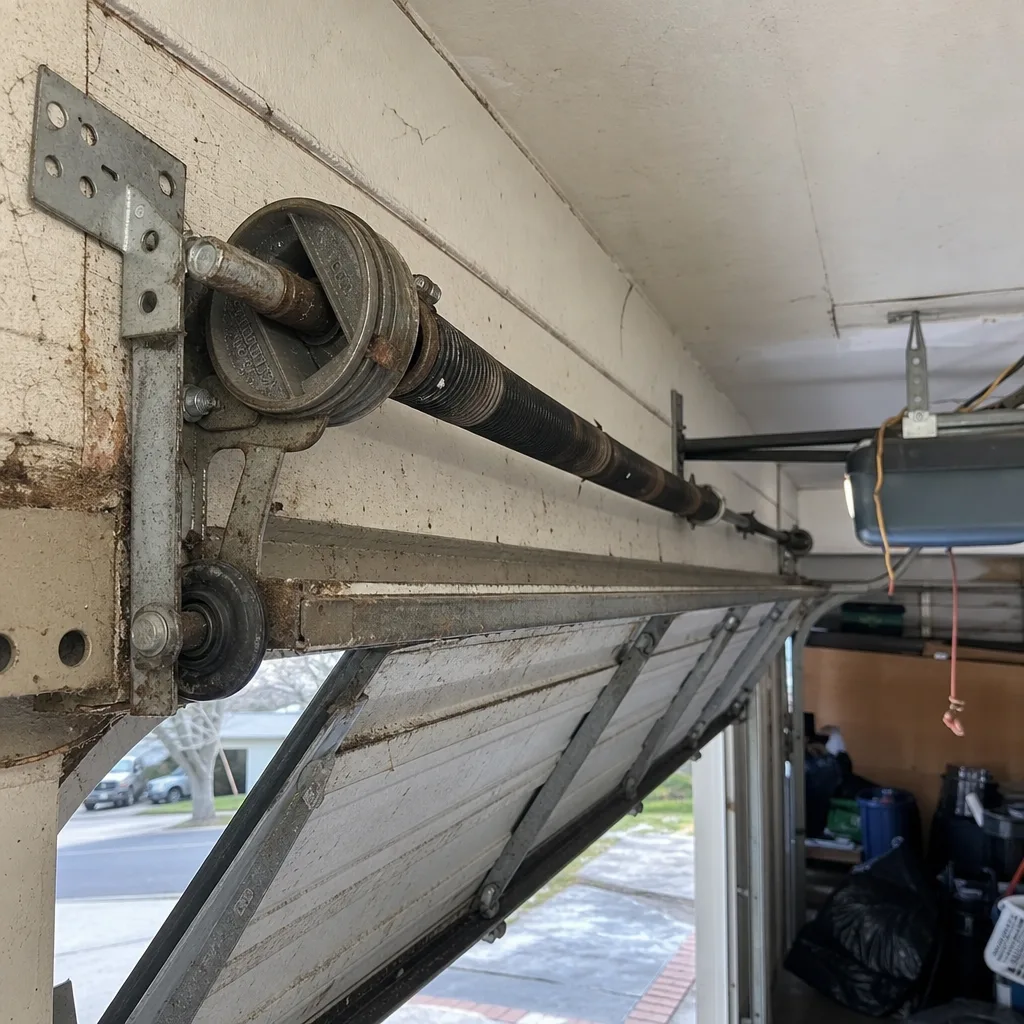 Before
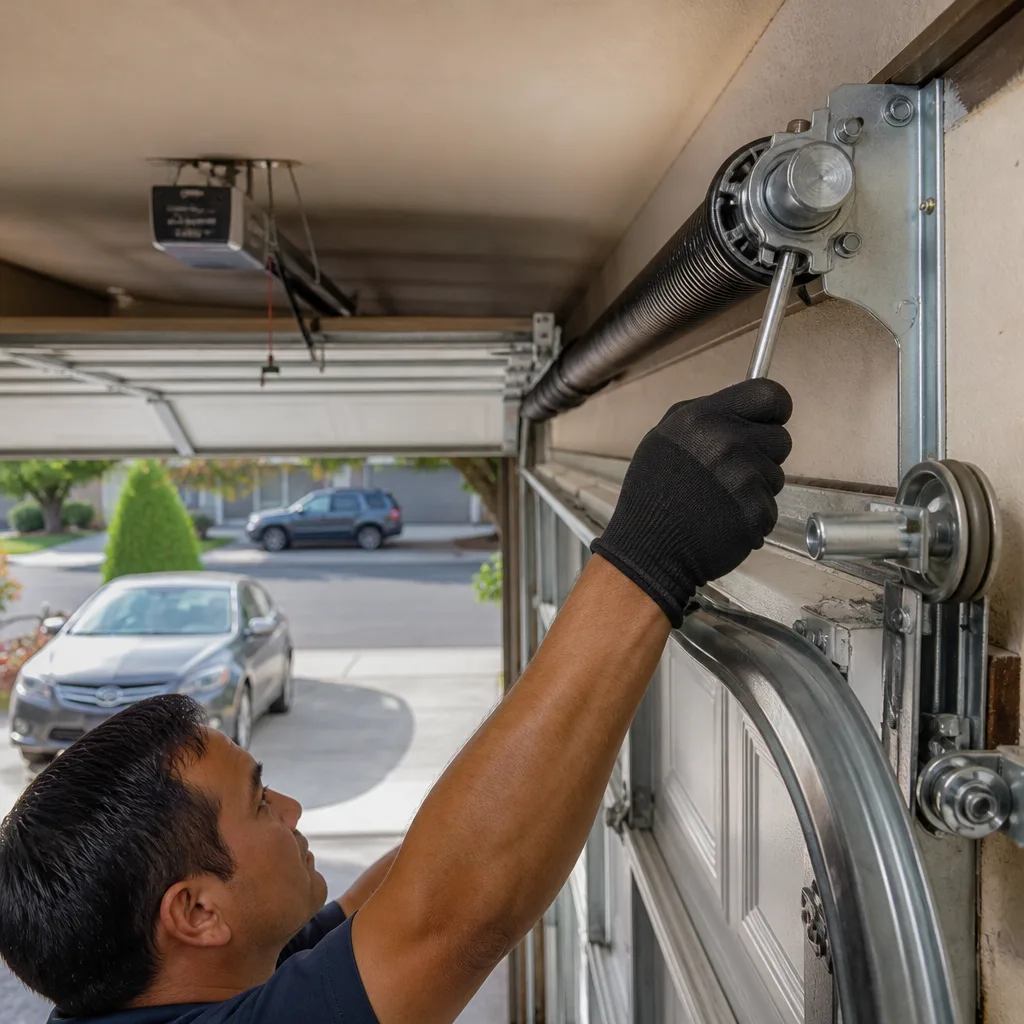 After