
Last updated October 30, 2026
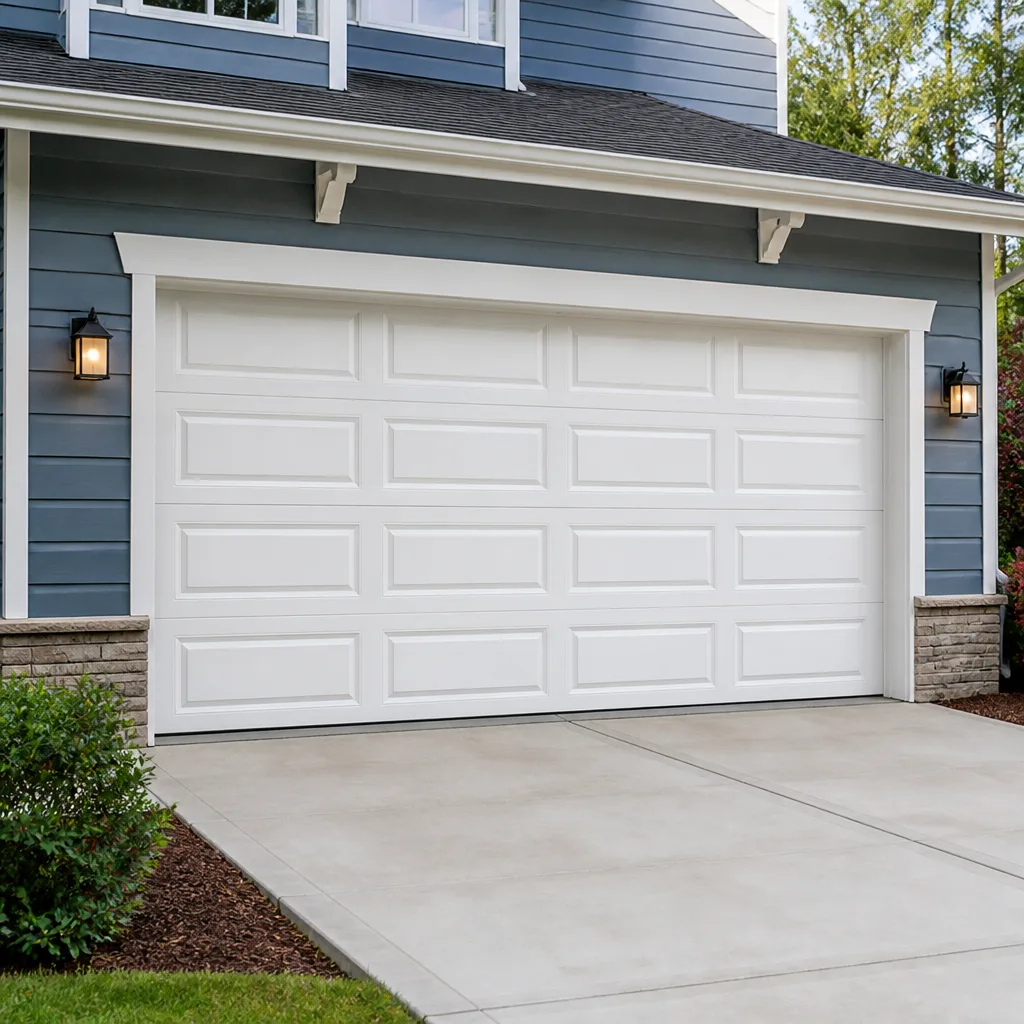 Raised-panel steel
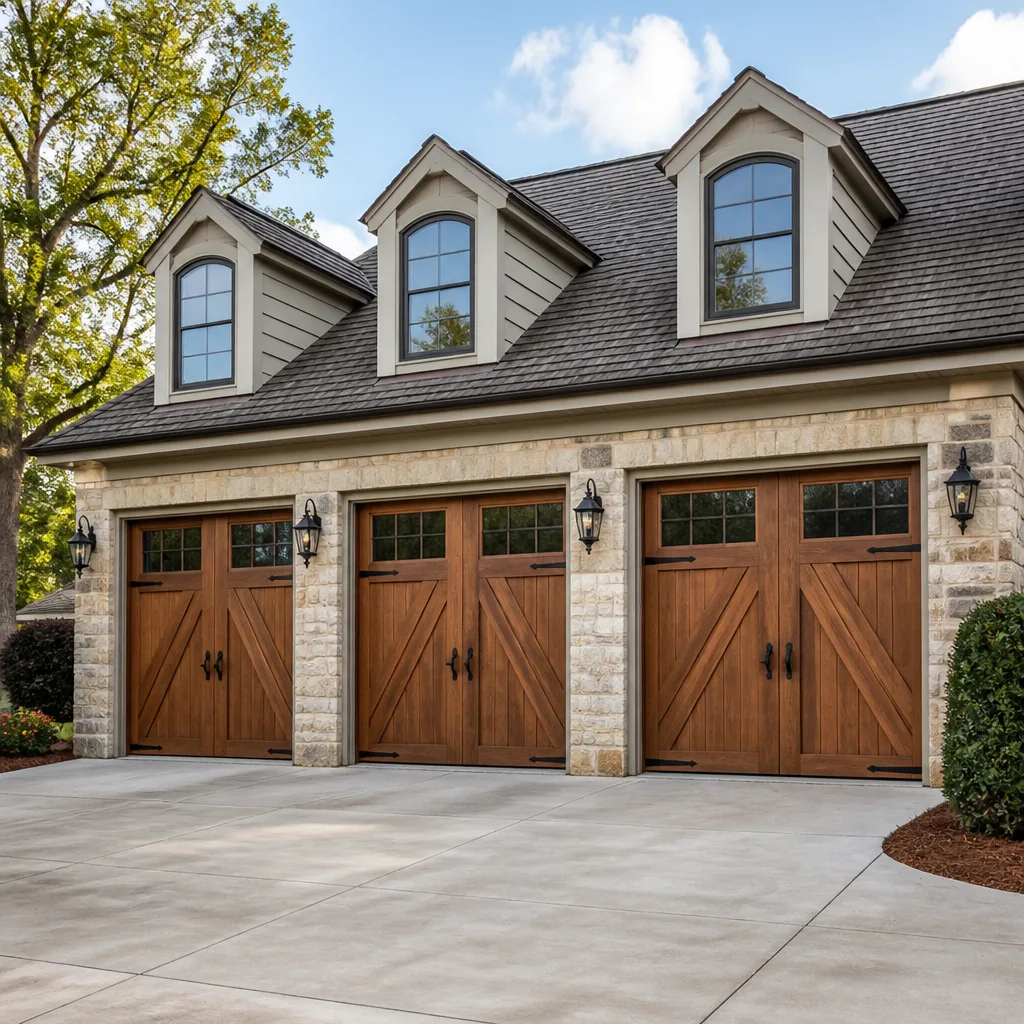 Carriage house
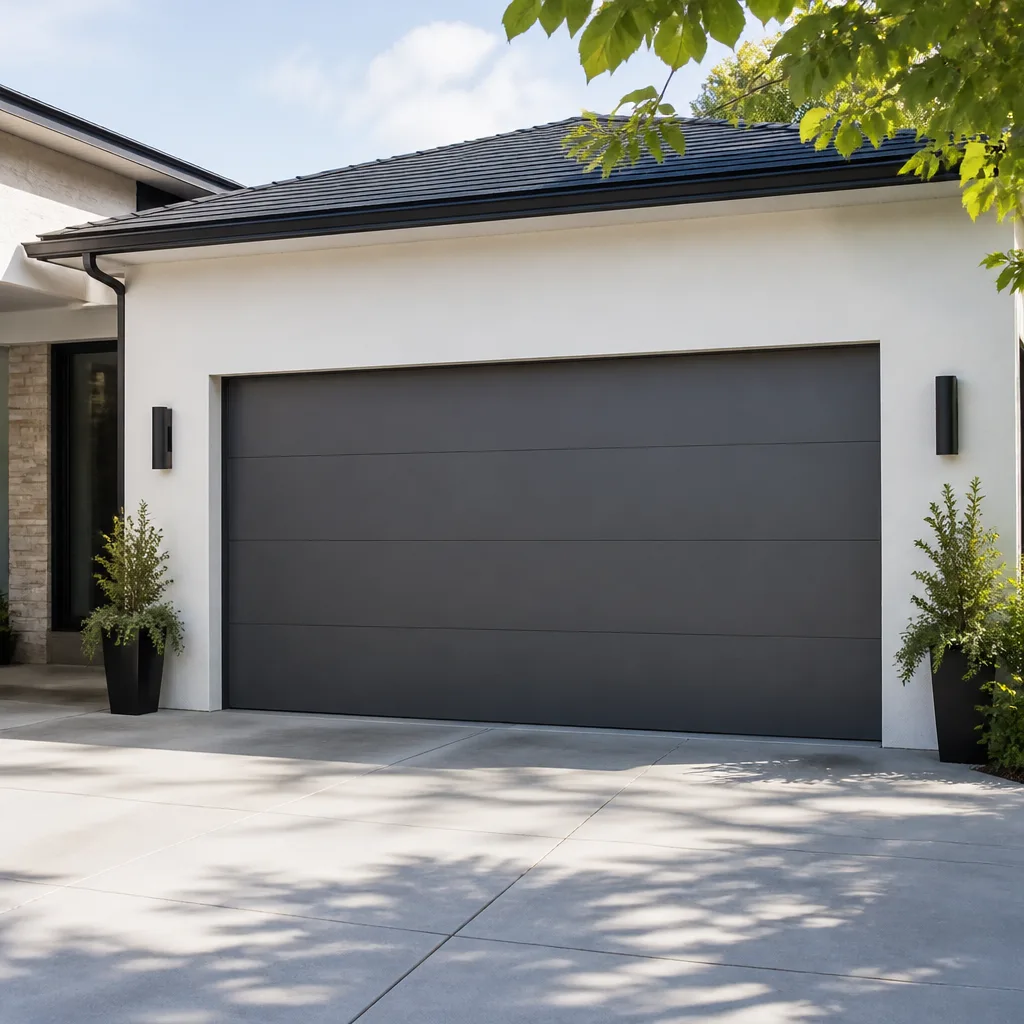 Modern flush
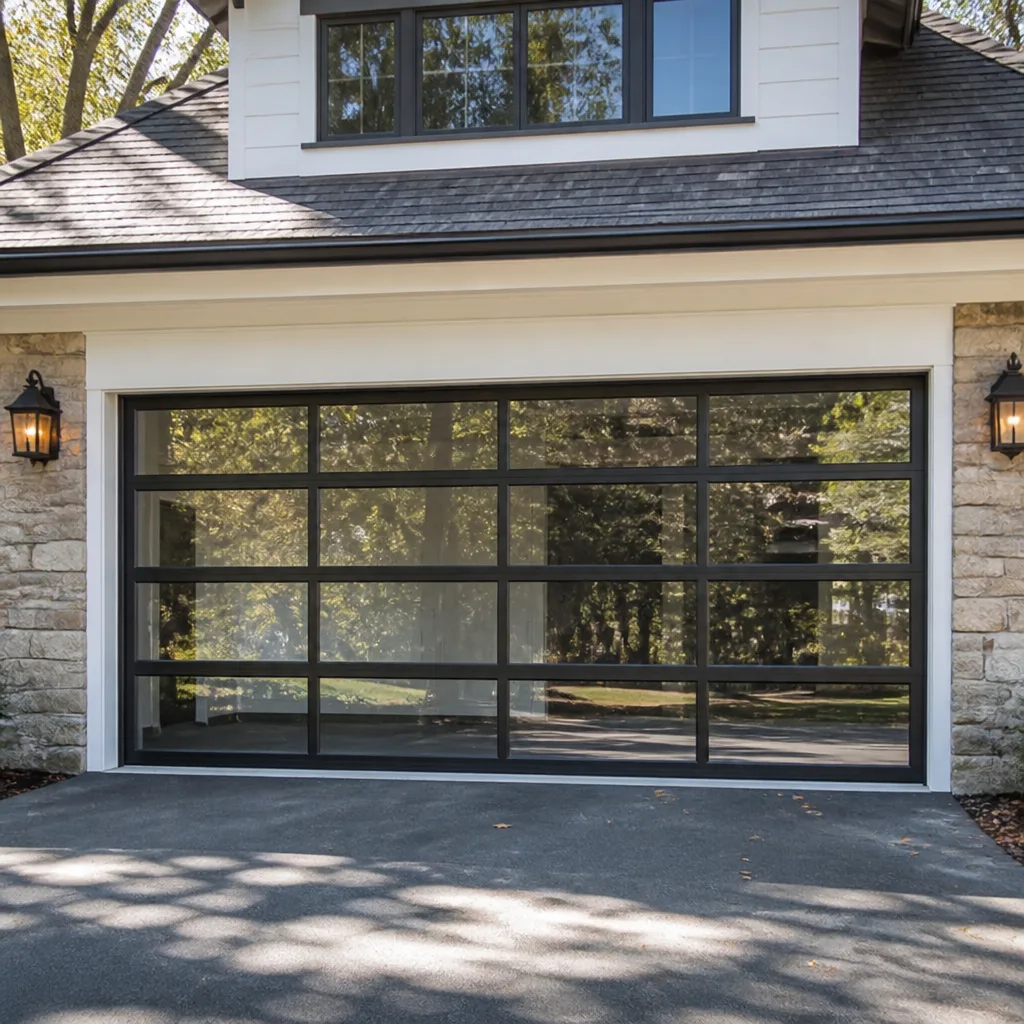 Full-view glass
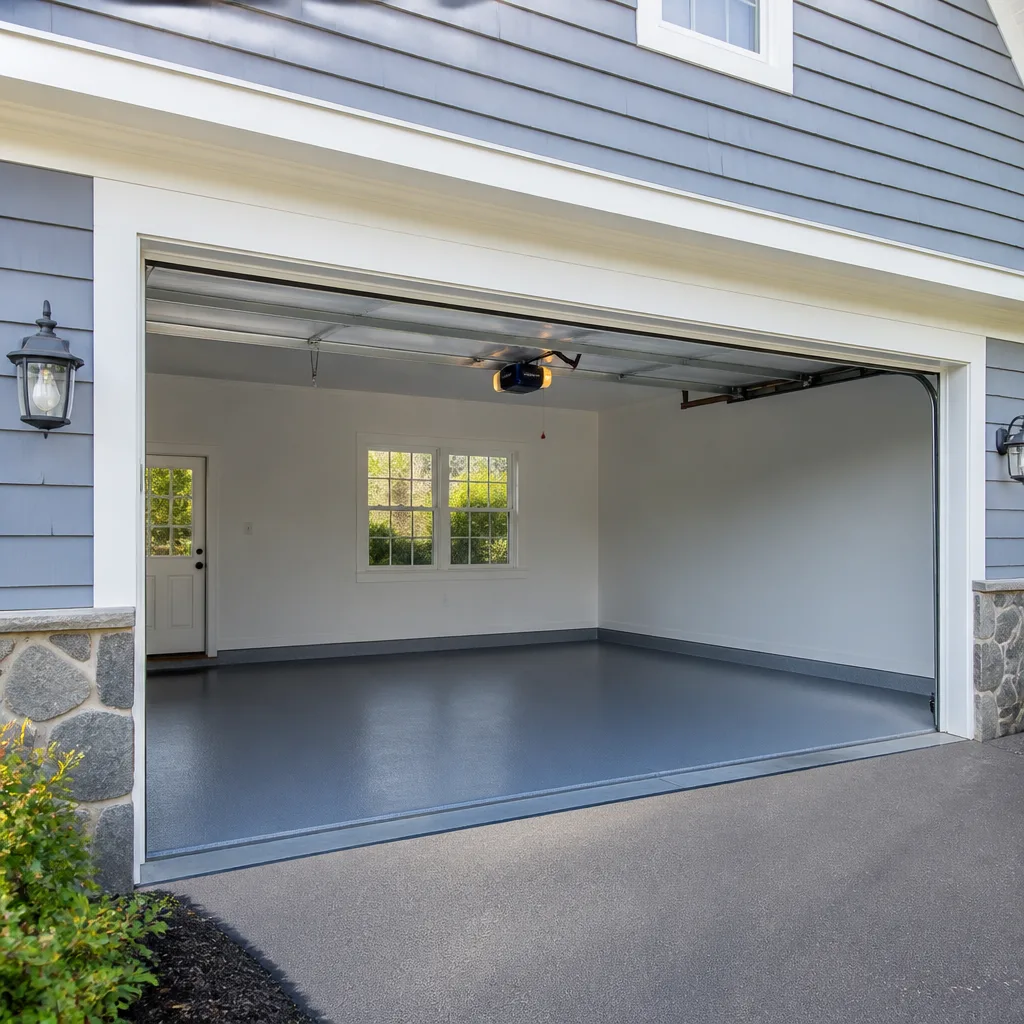 LiftMaster openers
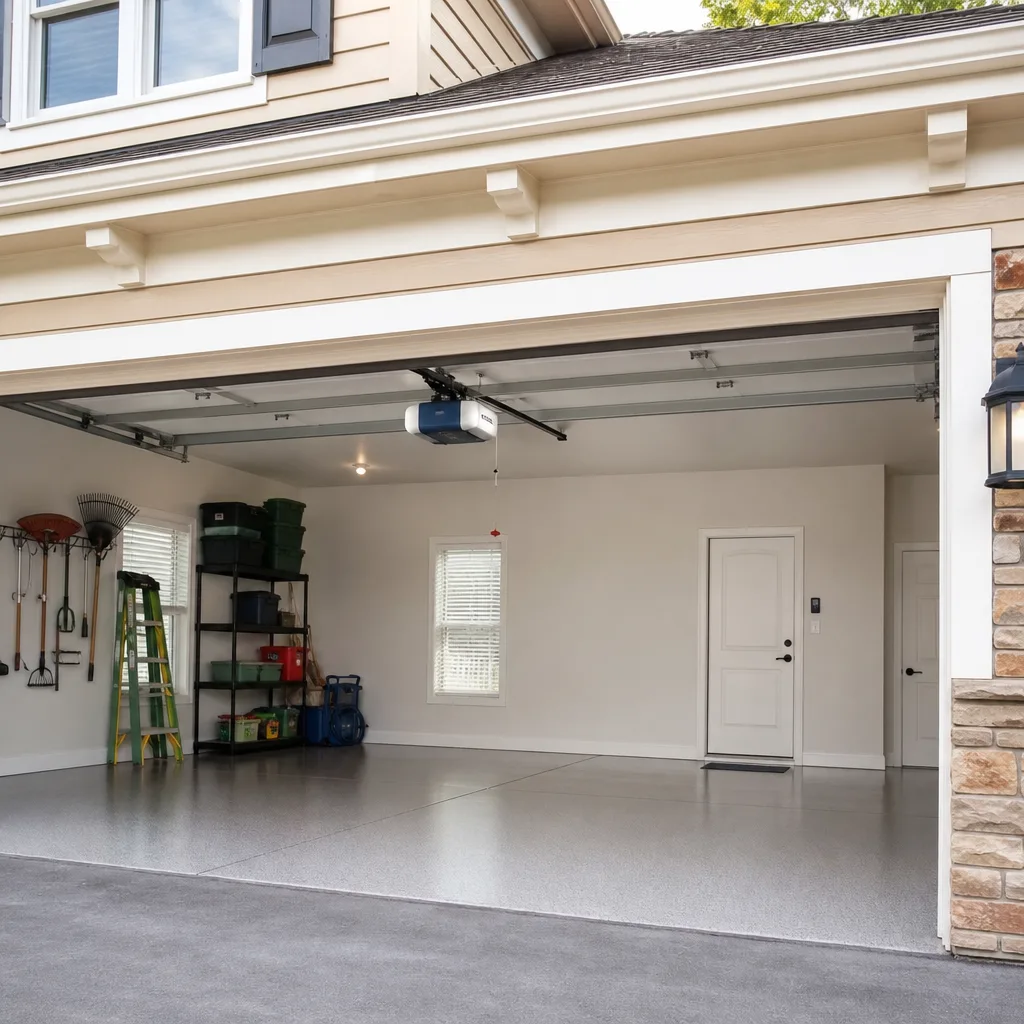 Chamberlain openers
Full 25-point door and opener safety check with every visit - springs, cables, rollers, tracks, and your LiftMaster or Chamberlain opener included
You get a price before we start. It does not change when the truck arrives.
Get your free estimateThe Complete Garage Door Repair Guide for Ontario Homeowners
Ontario’s summer temperatures regularly push past 100°F, and every 10°F of heat expansion puts measurable stress on spring tension, cable length, and track alignment. Most national garage door guides ignore this entirely. That’s a problem, because a door that worked fine in March can bind, drift, or snap a spring in August for reasons that have nothing to do with how old it is. This guide is different. We’re writing it from Ontario, for Ontario. We’ll explain the actual root causes behind most garage door failures here in the Inland Empire, how to tell a genuine repair from a simple recalibration, what you can safely handle yourself, and when it’s time to call our Garage Door Repair services instead of someone who only works on one brand.
Quick Answer
Most garage door problems in Ontario trace back to three root causes: heat cycling from Inland Empire summers, deferred lubrication on moving parts, and mismatched or worn replacement components. Understanding which one is actually behind your issue means you fix the right thing the first time instead of patching the symptom. For repairs, opener problems, or full replacement, Garage Door Repair in Ontario is available by phone at (866) 667-5857 with free estimates.
Styles & brands we work with
Table of Contents
- Why Ontario Heat Changes Everything
- Repair vs. Recalibration: The Distinction That Saves Money
- The Three Root Causes Behind Most Ontario Garage Door Failures
- Brand-Specific Quirks That Change the Repair Strategy
- DIY or Pro: Where the Line Actually Is
- Documenting Your Door’s Specs So Any Technician Can Work On It
- What a Proper Door Repair Should Include
- Common Mistakes to Avoid
- When to Call a Professional
- Frequently Asked Questions
Why Ontario Heat Changes Everything
Garage door springs are rated by cycle life, usually 10,000 cycles on a standard torsion spring. A cycle is one full open and one full close. Manufacturers calculate that rating in a climate-controlled test environment, typically around 70°F. Ontario doesn’t do 70°F for half the year. We get weeks of triple-digit heat, and that heat does two things to your door’s hardware.
First, metal expands. A standard 12-foot torsion spring will measurably change dimensions as the temperature climbs from a 50°F winter morning to a 105°F August afternoon. That expansion and contraction, repeated daily through an Ontario summer, is called thermal cycling. It doesn’t make the spring snap on day one, but it does fatigue the metal faster than the manufacturer’s cycle rating suggests. In our experience, springs in Ontario that see direct afternoon sun on a west-facing door often need replacement after 7,000 to 8,000 cycles rather than the stated 10,000 because the heat accelerates internal stress.
Second, the track. Garage door tracks are steel, and steel expands when hot. A track that was perfectly plumb in spring can shift a few millimeters by late afternoon in summer. That’s enough to cause rollers to bind, the door to hesitate on the way up, or the opener to strain. The fix is usually a track adjustment, not a new opener, and that distinction matters more than most homeowners realize.
Repair vs. Recalibration: The Distinction That Saves Money
Here’s a scenario we see constantly across Ontario. A homeowner notices the door is slower than it was last month. It hesitates halfway up. It’s noisy. They call a repair company. The technician shows up, replaces a roller or two, and leaves. Two weeks later the door is slow again. What actually happened? The door needed recalibration, not repair. Nobody had adjusted the travel limits or the force settings since the last heat wave.
A repair means something broke: a spring snapped, a cable frayed, a roller shattered. A recalibration means the door’s geometry or opener settings drifted out of spec: tracks shifted, limits are wrong, spring tension needs a quarter-turn adjustment. Confusing the two wastes money because you’re paying for parts you don’t need and not addressing the setting that’s actually wrong.
The easiest way to tell which you need: if the door visibly moves, opens, and closes but does so loudly, slowly, or unevenly, suspect recalibration first. If the door refuses to move, hangs crooked, or a visible component is damaged, that’s a repair. A competent technician in Ontario should check calibration before quoting parts, and we’ll tell you if your door just needs adjustment. That’s the difference between a $250 adjustment and a $600 parts replacement you didn’t need.
The Three Root Causes Behind Most Ontario Garage Door Failures
Forget the idea that garage doors are mysterious machines. They’re actually straightforward systems with a small number of failure points. Here are the three root causes we see behind the majority of service calls in Ontario, and how to address each one.
1. Heat-Accelerated Spring Fatigue
We covered this above, but it bears repeating because springs are the single most common repair in this city. Torsion springs store a massive amount of mechanical energy, and that energy is released every time the door opens. Ontario’s thermal cycling means those springs are working harder than the national average assumes. A spring that would last nine years in San Diego might fail in seven here. The practical takeaway: if your door is over seven years old and you’re in Ontario, have the springs inspected annually, not every three years. Look for telltale gaps in the coil, rust, or that chalky white powder that indicates metal fatigue.
2. Deferred Lubrication
Dry rollers, dry hinges, and dry bearing plates cause more noise complaints and opener strain than anything else. The Inland Empire’s dust accelerates this: fine particulate gets into the roller bearings, mixes with old grease, and forms a grinding paste. A quick test: open your door and listen. A properly lubricated door is nearly silent, with just a soft mechanical hum. If you hear squeaking, grinding, or rattling, the moving parts need attention. Lithium-based grease on the spring coils and hinges, plus a light oil on the roller bearings, fixes most of it. Skip this maintenance for two or three Ontario summers and you’ll be replacing rollers, not lubricating them.
3. Mismatched Replacement Parts
This one is a direct result of how the garage door industry has consolidated. Big-box stores sell generic replacement rollers, cables, and even springs that are “universal fit.” Universal fit is a polite way of saying “doesn’t actually fit anything well.” A Wayne Dalton door uses a different drum profile than a Clopay. A Craftsman opener’s travel module doesn’t behave like a Raynor’s. When the wrong part goes on the right door, the door works for a month or two, then the mismatch starts showing: uneven wear, cable slack, opener codes, burnt motors. The fix is matching the replacement to the specific door architecture, not the aisle at the hardware store.
Brand-Specific Quirks That Change the Repair Strategy
One of the reasons we recommend having a technician who knows multiple brands is that repair strategy changes depending on what’s installed. Here’s what that looks like in practice, using two brands you’ll find all over Ontario garages.
LiftMaster: LiftMaster openers use robust mechanical assemblies, but their logic boards are sensitive to voltage fluctuations. In an Ontario summer, when every AC unit in the neighborhood is pulling power, a brownout can scramble the board settings or corrupt the travel limits. The symptom is usually an opener that runs, then reverses for no reason, or one that forgets its limits overnight. The fix is board-level diagnosis, not motor replacement. A technician who only knows “replace the opener” will quote you $500 for a new unit when a $0 recalibration or a board reset was all it needed.
Chamberlain: Chamberlain and LiftMaster share a parent company, but they’re not identical. Chamberlain’s consumer models are more affordable, which means some components, like the plastic drive gear, are wear items. In Ontario’s heat, those gears can soften just enough to strip under load. The symptom is the motor running while the door doesn’t move. It’s a known issue, and it’s a predictable repair, but only if the technician recognizes it as a known issue rather than replacing the whole opener.
Wayne Dalton: Wayne Dalton doors use a TorqueMaster spring system on some models, which is entirely enclosed and looks nothing like a standard torsion spring. A technician walking into a Ontario garage expecting to see exposed springs will be confused. Worse, they might quote you for a standard spring conversion you don’t need. Wayne Dalton doors also have proprietary parts, so sourcing matters. If the technician has to “figure out” where to get Wayne Dalton parts, the job will take longer and cost more.
Craftsman: Craftsman openers are generally reliable workhorses, but they went through a period where the safety sensors were prone to misalignment and sunlight interference. In Ontario’s intense afternoon sun, a west-facing garage can see false “obstruction” readings that stop the door from closing. The fix is a sensor re-aim, a shade, or a minor wiring repair, not a new opener. Knowing this saves you a $400 replacement for a $15 problem.
This is why we work on all eight major brands: Garage Door Opener Repair in Ontario shouldn’t depend on what logo is on the motor. The diagnosis should be based on what’s actually wrong.
DIY or Pro: Where the Line Actually Is
We’re not going to pretend every garage door task needs a licensed technician. That’s not true, and it’s not respectful of our customers. Here’s the honest breakdown of what you can handle yourself in Ontario versus what you should leave to trained hands—see also DIY vs Professional Garage Door: The Ontario Homeowner’s Decision Guide.
Safe to Handle Yourself
- Lubrication: Lithium grease on the spring coils, hinges, and bearing plates is safe, simple, and should be done every 6 to 8 months in Ontario’s climate.
- Track cleaning: A rag and some mild cleaner will remove dust and grit from the track. Do not lubricate the track itself; that attracts dust.
- Photo-eye cleaning: Wipe the safety sensor lenses with a clean, dry cloth. These get dusty fast, especially near Ontario’s foothill wind corridors.
- Balance test: Pull the release cord with the door closed, then manually lift the door halfway. If it stays put, the springs are balanced. If it drops or rises, note that and call a pro.
- Visual inspection: Look at cables, springs, rollers, and hinges every 3 months. You’re looking for fraying, gaps in coils, cracks, or rust.
Leave to a Technician
- Anything involving torsion springs: Torsion springs are under 100 to 200 pounds of tension. A failure during adjustment can cause serious injury. This is not a warning we issue lightly. The spring tools, the winding bars, and the technique require experience.
- Cable replacement: Garage door cables run through pulleys under high tension. A snapping cable can whip loose with enough force to cause severe lacerations.
- Panel replacement on a sectional door: Panels are heavy, and removing one changes the door’s balance. If the door isn’t supported properly, it can fall.
- Opener force settings and travel limits: These settings prevent the door from crushing whatever is underneath it. Getting them wrong is dangerous, especially if you have kids or pets. The safety reversal test should be done by someone who knows exactly what the correct force curve looks like.
The line, in plain terms: if a task involves high-tension springs, cables, panel weight, or safety sensors, call a pro. If it involves a grease gun, a rag, or your eyes, you can do it this Saturday. We’re happy to walk through the basics on the phone at (866) 667-5857 before you decide whether a visit is needed.
Documenting Your Door’s Specs So Any Technician Can Work On It
Here’s something almost no repair guide tells you, and it’s probably the most valuable thing in this entire page. If you document your door’s specifications before it breaks, you make every future repair faster, cheaper, and more accurate. Here’s why: a technician arriving at a unknown door has to measure everything from scratch, often with a broken door hanging over their head. If those specs are already written down, the diagnosis starts immediately.
Here’s what to record, and where to find each item:
- Door manufacturer and model: Usually printed on a sticker on the inside of the top panel or on the side of the bottom panel. Write it down, not just the brand.
- Spring type and measurements: If you have torsion springs, measure the wire diameter with calipers, the inside diameter, the length, and the wind direction (left or right). This is the single most useful measurement for future spring replacement. If you have Wayne Dalton TorqueMaster springs, note that separately; they’re sized differently.
- Cable length and thickness: Measure the length of a straight section and the diameter. Cables are usually 1/8 inch or 3/32 inch, but the length varies by door height and track radius.
- Track radius: Look at the curve in the horizontal track. Standard residential radii are 12 inches or 15 inches. This affects cable length and spring tension.
- Opener model and manufacturing date: Chamberlain, LiftMaster, Craftsman, Genie, and Raynor openers all have a model number and date code on the motor housing.
- Door height and width: Measure the opening, not the panel. This determines spring size, drum size, and cable spec.
- Number of panels and their material: Steel, aluminum, or wood. Count the panels. A 16×7 steel door has different weight characteristics than a 16×7 wood door, which changes spring requirements.
Put this on a piece of paper, tape it to the wall next to the door opener, and snap a photo on your phone. When the day comes that something breaks, you’ll hand the technician a complete spec sheet. For Garage Door Repair in Ontario, that means fewer trips, faster quotes, and a diagnosis based on your actual door, not a generic assumption.
What a Proper Door Repair Should Include
Here’s what a complete, professional repair looks like when it’s done correctly. If a technician skips these steps, you’re getting a patch job.
- Full system inspection: Every moving component gets checked, not just the part that’s visibly broken. Springs, cables, drums, rollers, hinges, track, opener, sensors, and weather seal.
- Pre-repair documentation: Measurements are taken and recorded. The door is photographed in its current state. You know what’s being replaced and why.
- Written quote with parts breakdown: The price is quoted and agreed before any work starts. You’re not signing a blank check, and the invoice won’t grow after the fact unless you approve a change.
- Safety reversal test: After any repair involving the opener or travel limits, the door must be tested to confirm it reverses when it encounters resistance. This is a garage door standard, and skipping it is dangerous.
- Balance verification: The door is manually opened and closed to confirm the springs are correctly tensioned and the door stays at the midpoint.
- Lubrication of all moving parts: A proper repair includes this. It should not be an upsell.
- Customer walkthrough: The technician explains what was done, what was replaced, and what to watch for. You understand your door better when they leave than when they arrived.
We follow this exact process on every repair call in Ontario, whether it’s a spring replacement on a Clopay or an opener diagnosis on a LiftMaster. You’ll know what’s wrong, what it costs, and what was fixed before the truck leaves your driveway.
Common Mistakes to Avoid
- Replacing the opener when the door needs recalibration. A slow or noisy door is often a track or limit issue. A new opener won’t fix a door that’s out of alignment, and you’ll be out $400 to $600 with the same symptom.
- Buying generic springs online. A spring is not a spring. Wire diameter, inside diameter, length, and wind direction all have to match, and a mismatched spring is dangerous. Buy from a local supplier or have a pro source it.
- Ignoring rust on the springs. Rust is not cosmetic. It creates stress risers in the spring coil, and in Ontario’s temperature swings, those risers become fracture points. A rusty spring is a spring approaching failure.
- Lubricating the track. The track should stay dry. Grease on the track attracts dust, turns into grinding paste, and causes the rollers to stick. Lubricate the rollers and hinges, not the rail the rollers ride in.
- Skipping the annual safety reversal test. Put a roll of paper towels under the door and close it. The door should reverse when it contacts the roll. Ontario families do this too rarely, and the stakes are too high to skip over a $0 prevention measure.
- Assuming all garage door companies work on all brands. Ask before you book. Many companies specialize in one or two brands and won’t touch a Wayne Dalton or a Raynor. We work on all eight major brands, but that’s not the industry standard.
When to Call a Professional
Call a professional if your garage door has a broken spring, a frayed or snapped cable, a panel that’s cracked or hanging misaligned, an opener that’s jerking, reversing, or making grinding noises, or any issue involving the high-tension components we mentioned earlier. Also call if you’ve done the basic lubrication and balance check and the problem persists, since continued symptoms usually mean something structural is shifting. Cobblestone Garage Door Repair offers free estimates in Ontario. Call (866) 667-5857 and we’ll diagnose the problem over the phone first, then confirm the quote before any work starts. If it’s a simple recalibration, we’ll tell you that instead of selling you parts you don’t need.
Frequently Asked Questions
Garage door repair in Ontario typically costs between $150 and $450 for common fixes like roller replacement, track adjustment, cable replacement, and opener troubleshooting. Spring replacement runs higher, usually $250 to $500 depending on spring size and whether it’s a single or double spring system. The price is always quoted and agreed before any work starts. Call (866) 667-5857 for an exact quote, and the estimate is free.
Garage door springs in Ontario typically last 7 to 9 years, which is shorter than the 10-to-12-year national average because Inland Empire heat accelerates metal fatigue through thermal cycling. If your door is over seven years old, have the springs inspected annually rather than every few years.
No. Torsion springs are under 100 to 200 pounds of tension, and a failure during adjustment can cause serious or fatal injury. Extension springs, while less dangerous, still require correct sizing and safety cable installation. This is the one garage door repair homeowners should never attempt themselves. Call a trained technician instead.
This usually means the drive gear, belt, or chain has failed, or the opener has disengaged from the door. On Chamberlain and some Craftsman models, the plastic drive gear is a known wear item in Ontario’s heat. The fix is a gear replacement, not a full opener replacement, and it’s a repair we do regularly.
Lubricate your garage door every 6 to 8 months in Ontario. The Inland Empire’s dust and heat mean lubricant breaks down faster than in coastal climates. Use lithium grease on the spring coils and hinges and a light oil on the roller bearings. Avoid lubricating the track itself.
Yes. We work on all eight major brands: LiftMaster, Chamberlain, Genie, Clopay, Amarr, Wayne Dalton, Craftsman, and Raynor. If your opener or door is one of these, we have the parts knowledge and diagnostic experience to handle it. Garage Door Installation in Ontario and repair calls are available by phone at (866) 667-5857.
We do. Most repair calls in Ontario can be scheduled on the same day you call, especially for urgent issues like broken springs or doors that won’t close. Call (866) 667-5857 and we’ll give you an ETA, not a vague window.
The Bottom Line
Most garage door failures in Ontario come down to heat, neglect, and mismatched parts. Understanding which one you’re dealing with is the difference between a $150 adjustment and a $600 parts replacement that doesn’t fix the problem. Document your door’s specs before it breaks. Lubricate it every six months. Learn the difference between repair and recalibration. And when something does go wrong, work with a company that knows all the major brands and will tell you what’s actually wrong rather than what’s easiest to sell. That’s how we run Cobblestone Garage Door Repair home service in Ontario, and it’s how a garage door should be fixed.
Written by the team at Cobblestone Garage Door Repair, serving Ontario since 2016. For more guides & resources, visit our blog.
See the difference
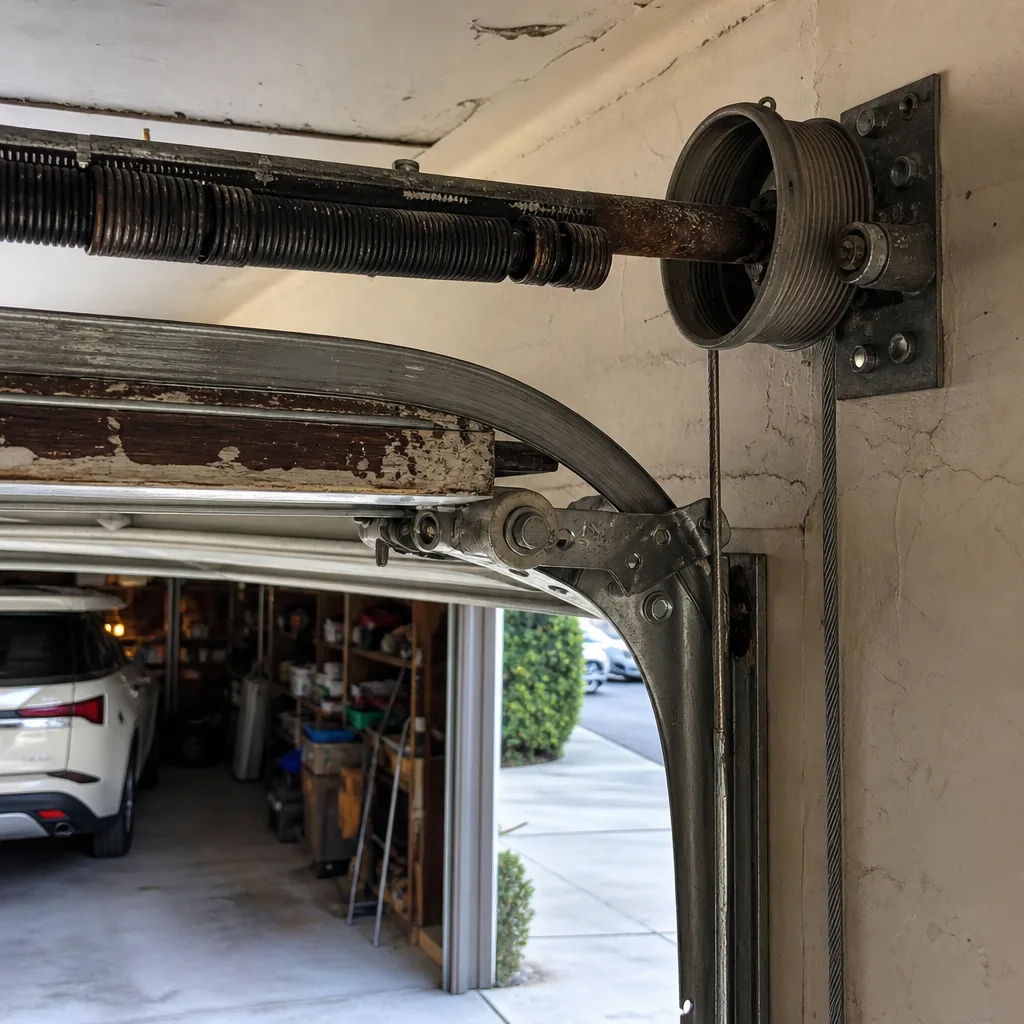 Before
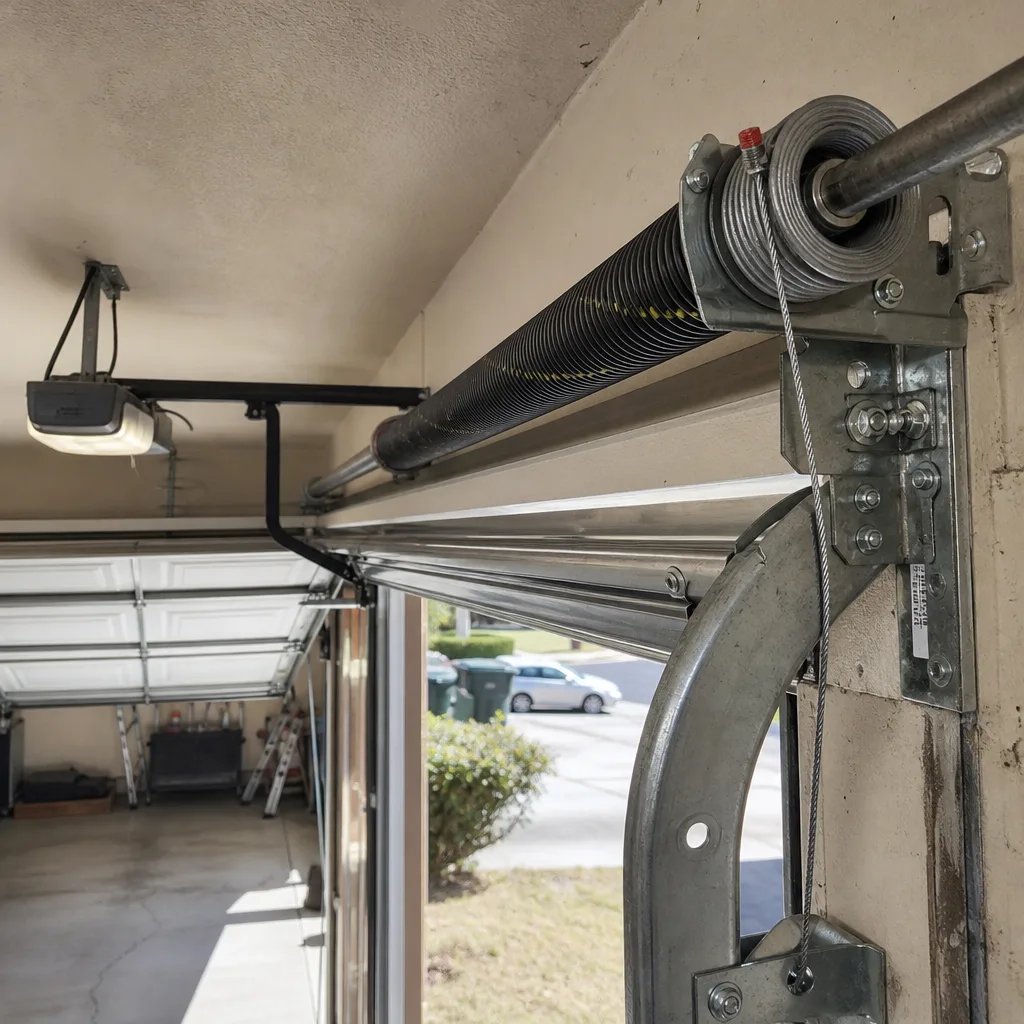 After
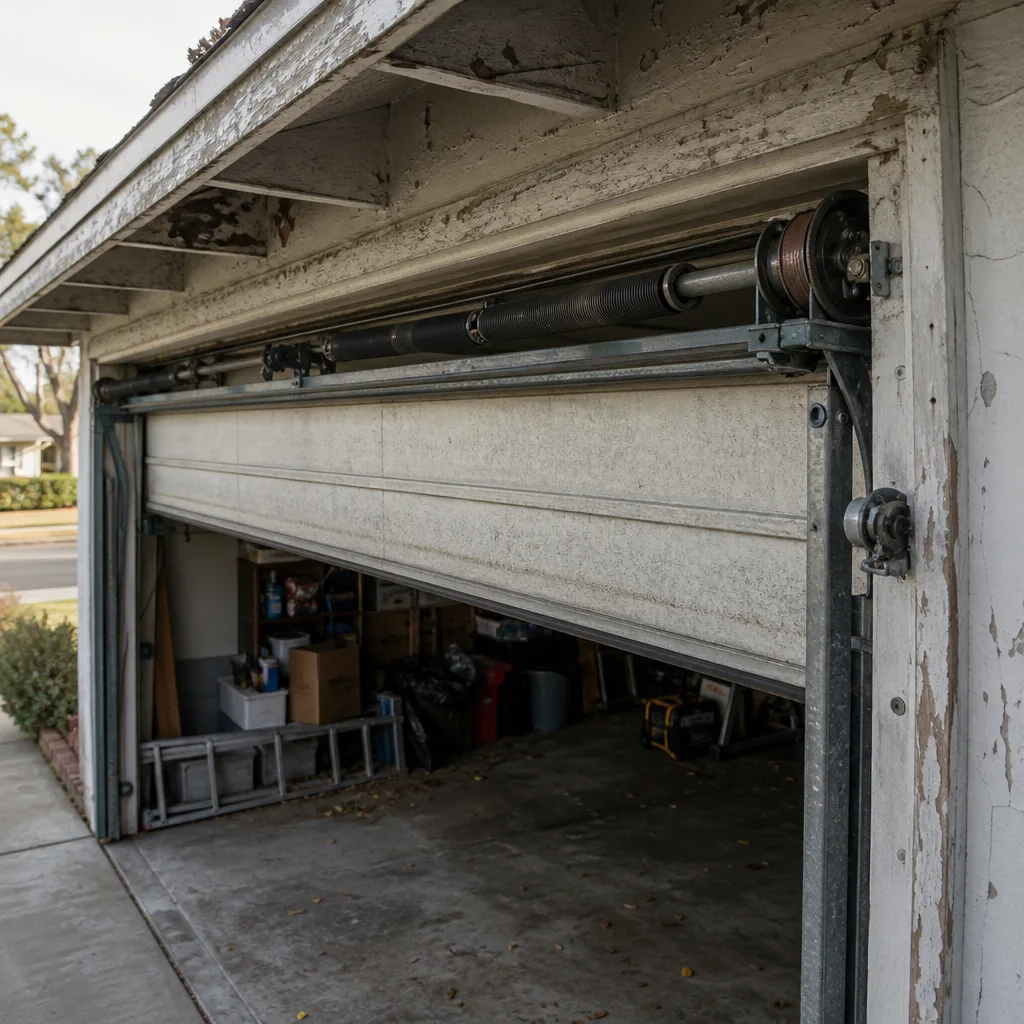 Before
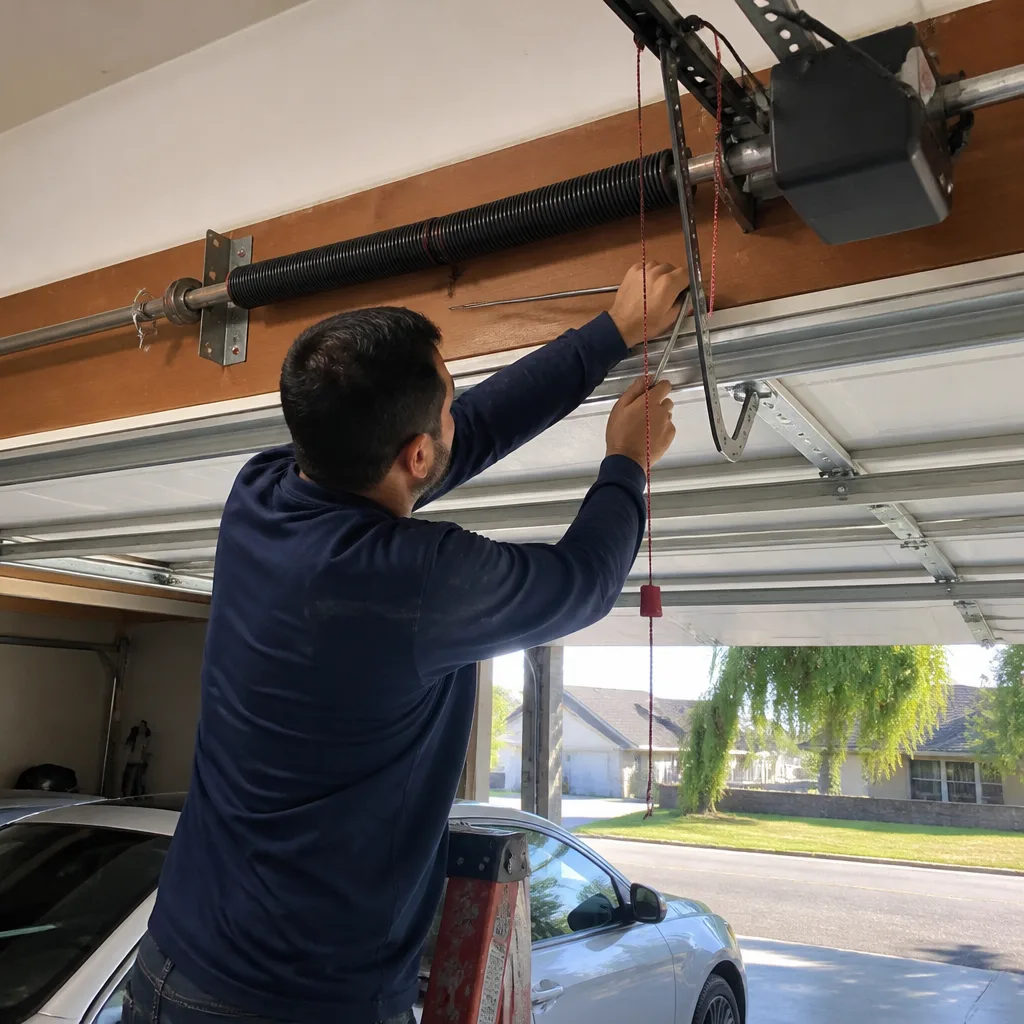 After
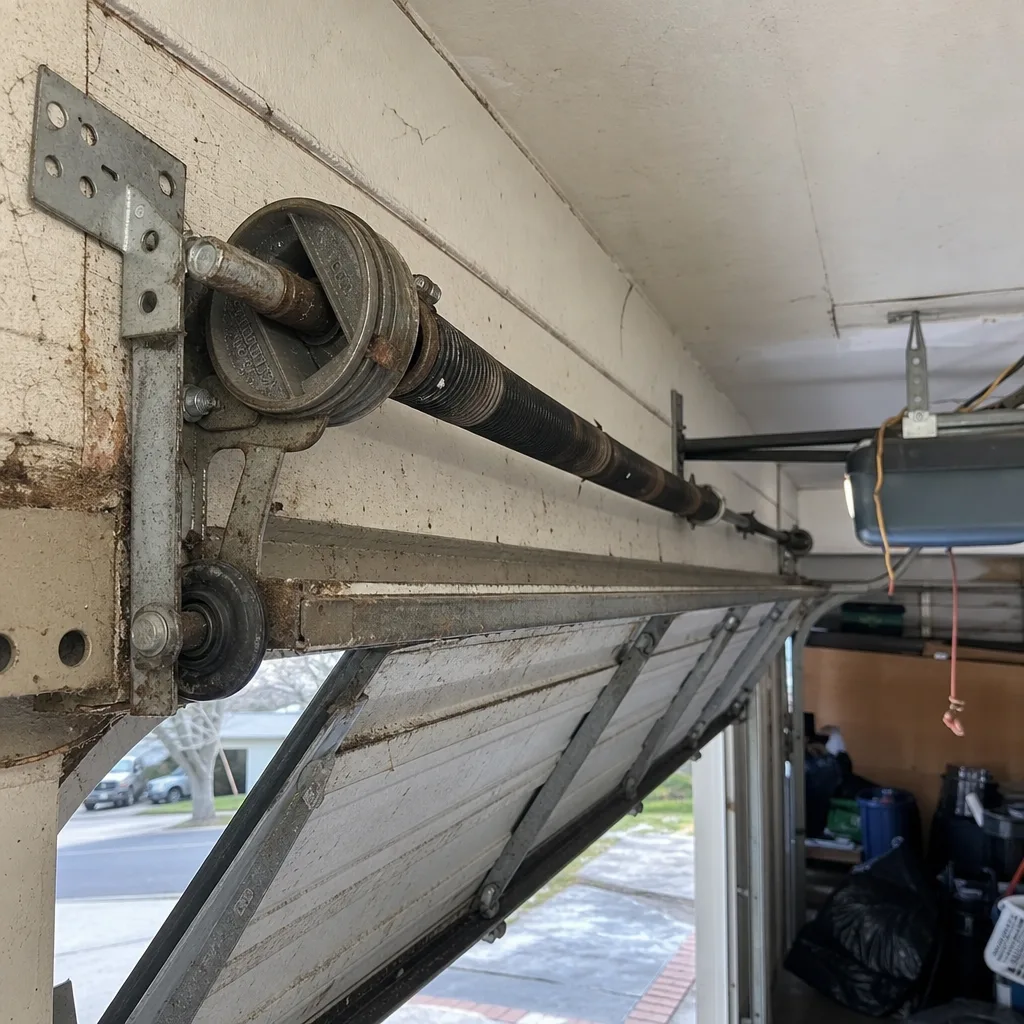 Before
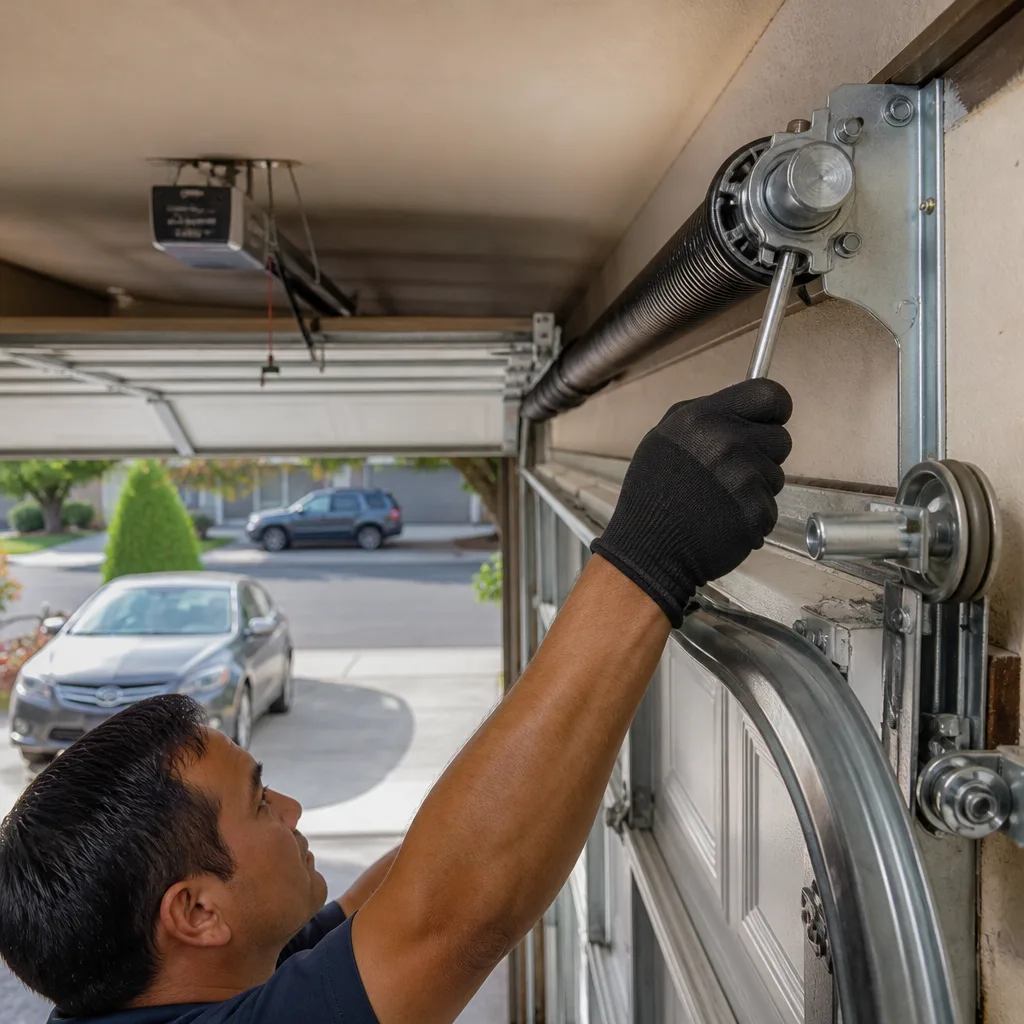 After