Last updated October 30, 2026
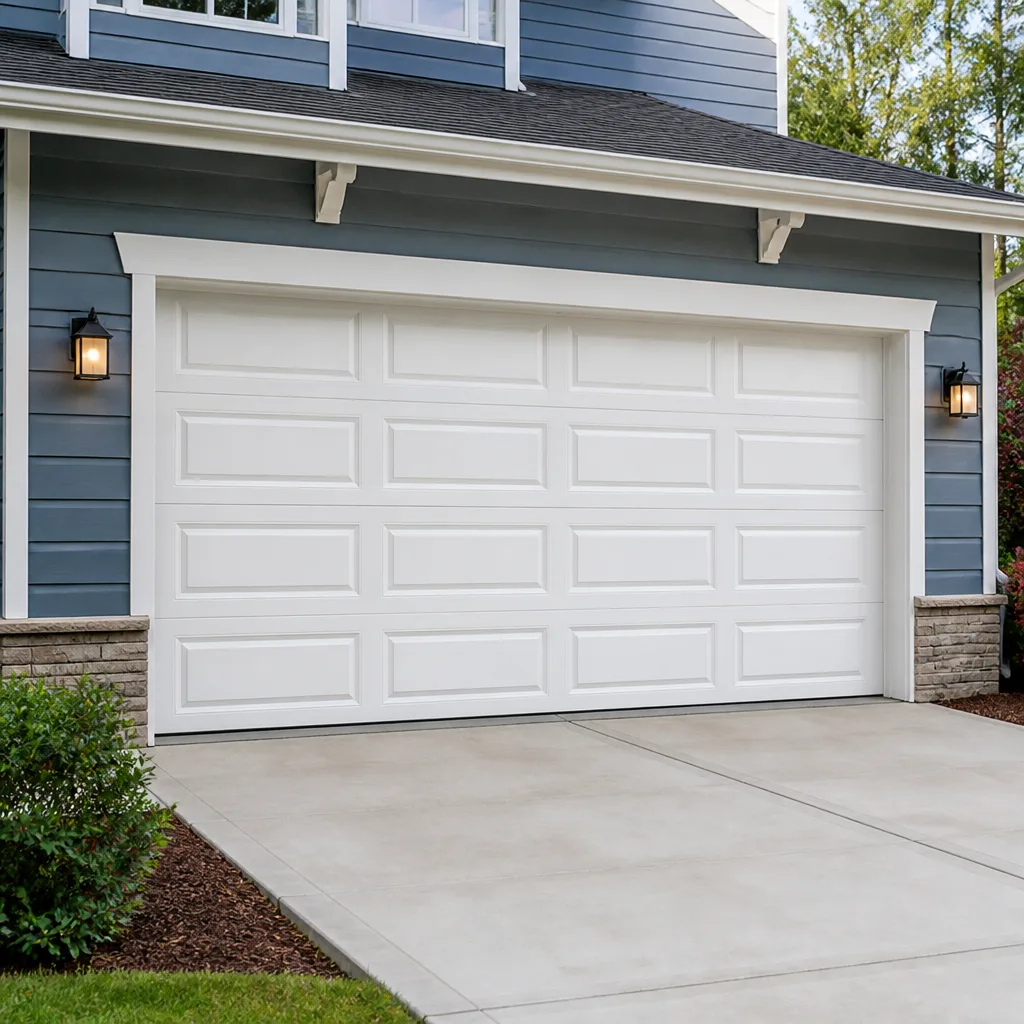 Raised-panel steel
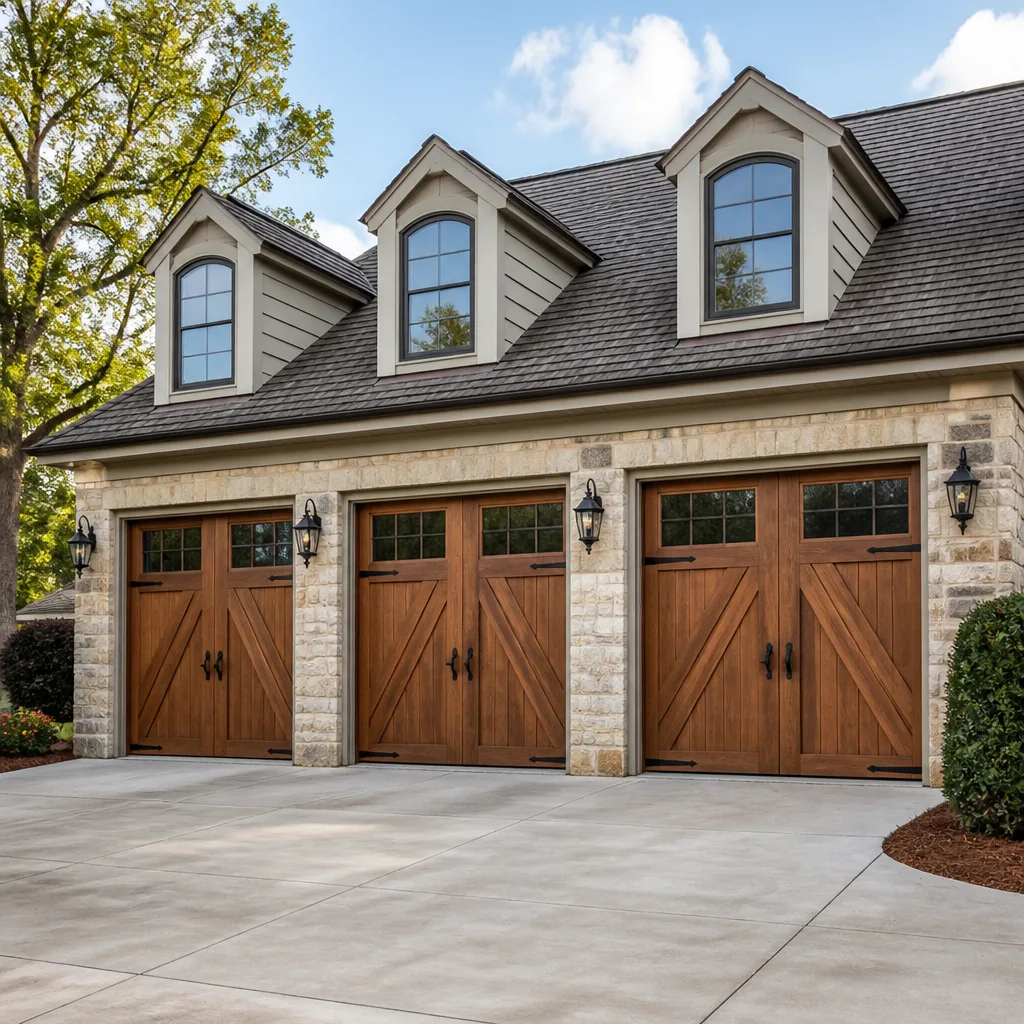 Carriage house
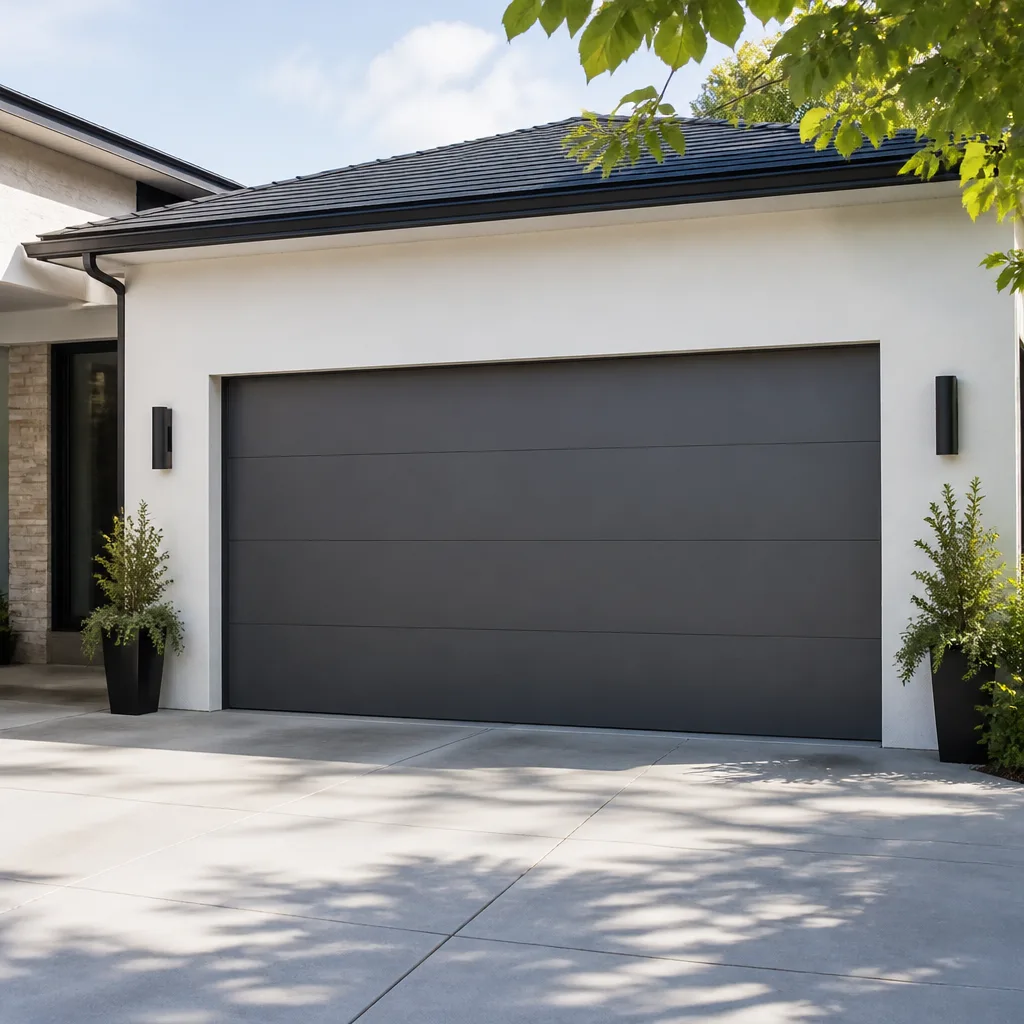 Modern flush
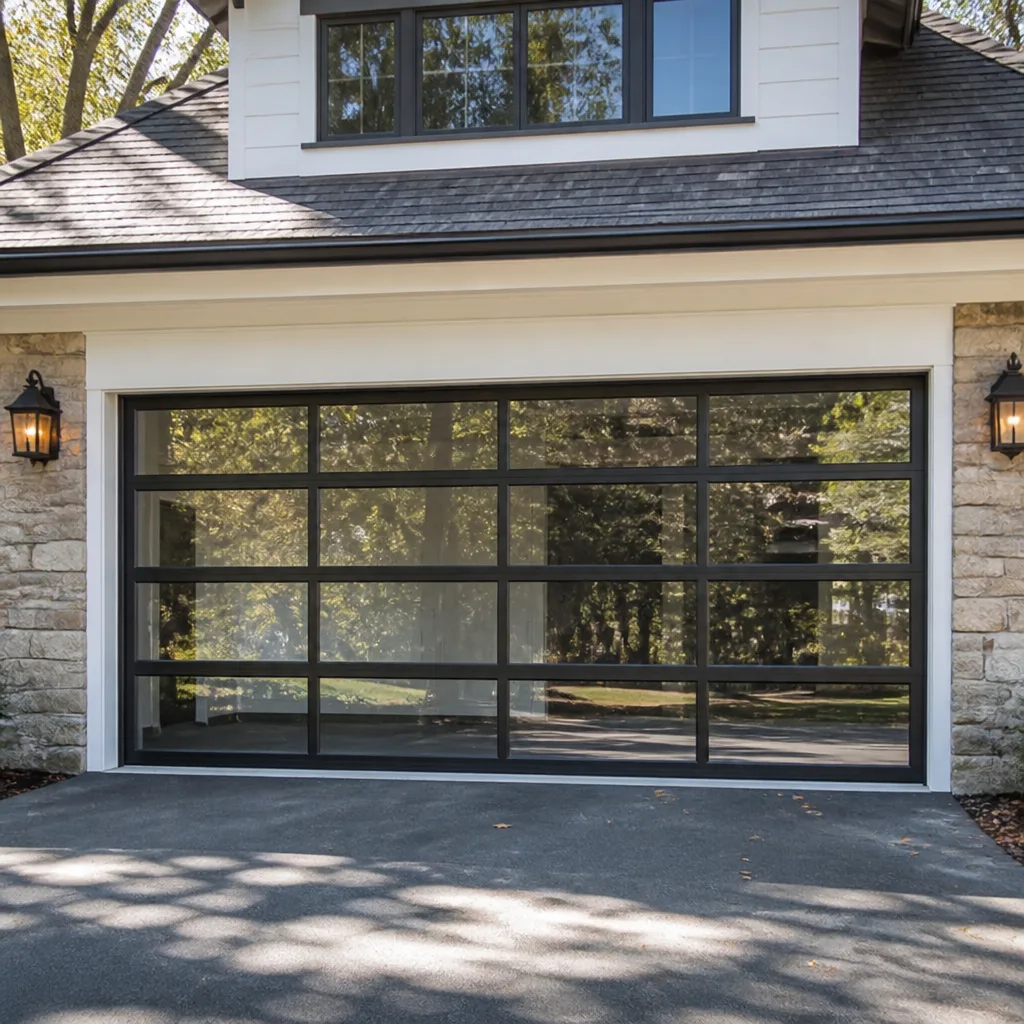 Full-view glass
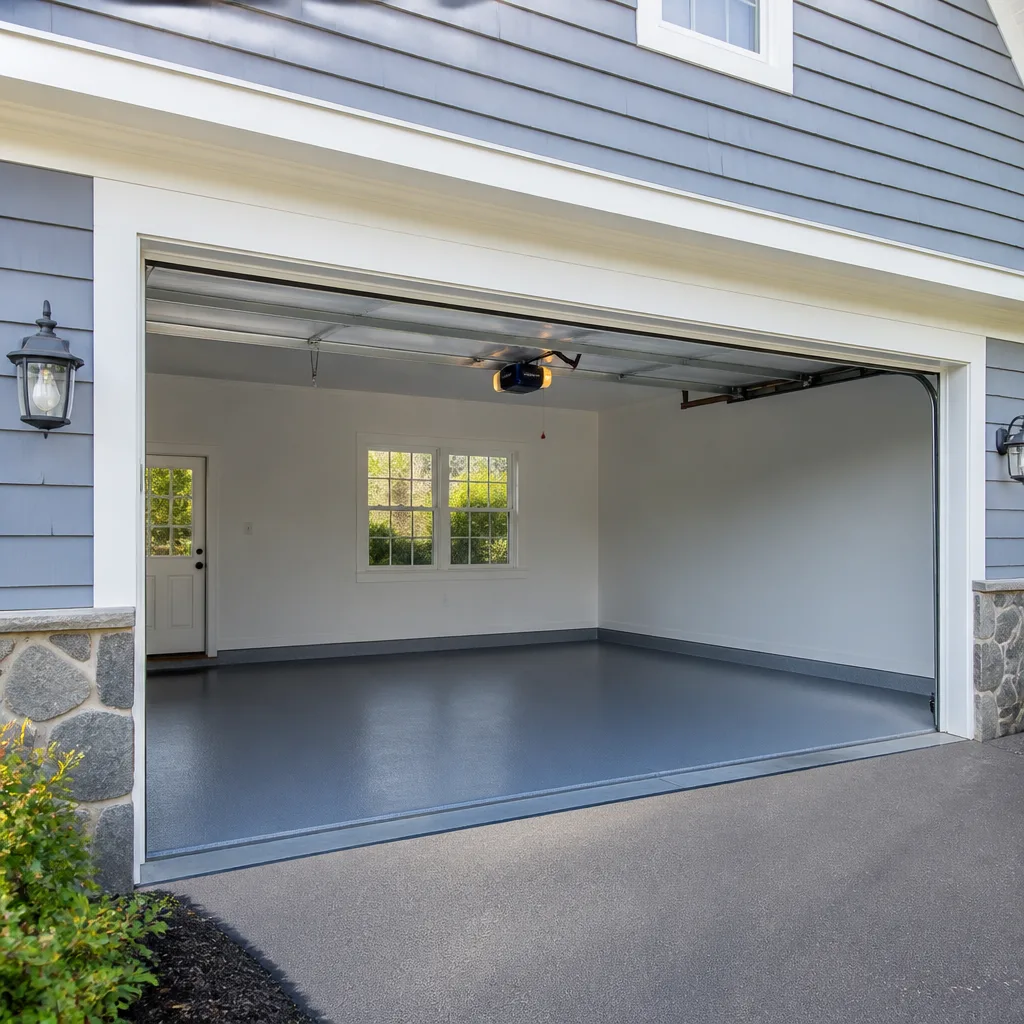 LiftMaster openers
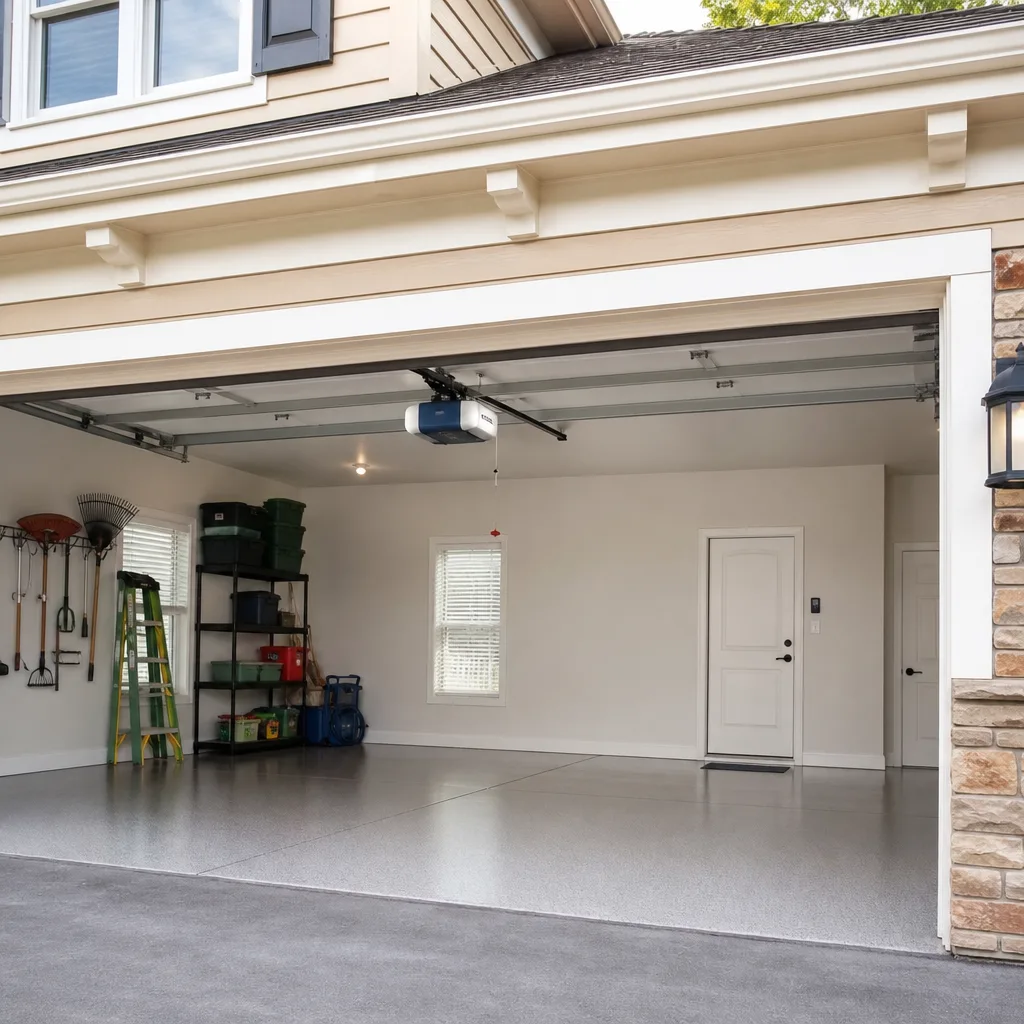 Chamberlain openers
Full 25-point door and opener safety check with every visit - springs, cables, rollers, tracks, and your LiftMaster or Chamberlain opener included
You get a price before we start. It does not change when the truck arrives.
Get your free estimateChoosing the Right Garage Door Brand: A Buyer’s Guide for Ontario
Wood garage doors look beautiful in an Ontario showroom. But three summers of 105°F heat and single-digit humidity will warp a real wood panel faster than most homeowners expect, and the salesperson who sold it to you has probably never tracked how that door performs after five years in the Inland Empire. This guide cuts through the brand marketing and focuses on what actually matters for Ontario specifically: which materials and brands hold up here, which opener systems work together without proprietary headaches, and which warranty terms are worth the paper they’re printed on. For a deeper dive, see our The Complete Guide to Garage Door in Ontario. You’ll leave with a clear framework for choosing a garage door that survives Ontario summers, not just the brochure photo.
Styles & brands we work with
Quick Answer
The best garage door brand in Ontario, CA is less about picking a single name and more about matching the material to the climate: a steel door with a polyurethane core and a UV-stable finish from Clopay or Amarr generally outperforms wood and budget steel in the Inland Empire heat corridor. For homeowner-grade openers, LiftMaster and Chamberlain share the same parent company and dominate Ontario for reliability and parts availability, while Raynor builds the strongest steel residential doors for properties near the foothills. The practical answer: pick the door material first, match it to a brand with proven heat performance, and pair it with an opener your local technicians don’t have to special-order parts for. If you’re weighing whether to tackle work yourself, our DIY vs Professional Garage Door: The Ontario Homeowner’s Decision Guide can help you decide.
Table of Contents
- The Ontario Heat Problem: Why Brand Choice Is Really a Material Choice
- Steel Door Brand Comparison for Ontario’s Heat and UV
- Wood vs. Wood Composite: What Ontario’s Climate Actually Does to Each
- Insulation Ratings Decoded: What R-Value You Actually Need in Ontario
- Opener Brand Compatibility: Which Door Brands Work With LiftMaster, Chamberlain, and Genie
- Warranty Terms Compared: What ‘Lifetime’ Actually Covers and What It Excludes
- Brand Profiles: What Each Major Manufacturer Does Best in Ontario
- Common Mistakes to Avoid
- When to Call a Professional
- Frequently Asked Questions
- The Bottom Line
The Ontario Heat Problem: Why Brand Choice Is Really a Material Choice
Ontario sits in a heat corridor that runs through the western Inland Empire. Summer highs regularly cross 100°F from June through September, and the low humidity means surfaces dry out rather than rot. That distinction matters more than any brand logo. A garage door that performs well in coastal California, where marine layer moisture keeps wood dimensions stable, behaves completely differently in Ontario’s dry oven heat. We’ve seen real wood doors in Ontario neighborhoods like Creekside and Archibald Ranch develop visible panel gaps within 24 months of installation, while the same door model on a Newport Beach home looks nearly new after a decade.
The failure mode here isn’t rot. It’s shrinkage, fading, and adhesive breakdown. Wood loses moisture to the atmosphere at a rate that accelerates as temperature climbs and humidity falls. Adhesives holding panel inserts soften under prolonged heat exposure. Powder coat finishes on cheap steel fade to chalk within a few seasons under Ontario’s UV load. So when homeowners ask us which brand to buy, the honest answer is: start with the material specification, not the nameplate. The brand matters only insofar as it determines steel gauge, finish chemistry, insulation type, and warranty enforcement. We’ll break each of those down.
This is why we built our Cobblestone Garage Door Repair home service area around multi-brand fluency. Diagnosing a door in Ontario means understanding how heat affects every component, from panel laminates to torsion spring temper. The brand is secondary to the material science.
Steel Door Brand Comparison for Ontario’s Heat and UV
Steel accounts for the overwhelming majority of garage doors installed in Ontario, and for good reason: a properly specified steel door handles the Inland Empire climate better than any other material at a reasonable price. But not all steel is equal. The two variables that matter most here are steel gauge and finish chemistry.
Gauge refers to steel thickness, and the numbering runs backward: 24-gauge is thinner than 26-gauge, and 25-gauge sits in between. In Ontario’s heat, thinner steel panels tend to develop oil-canning (visible waviness) faster because thermal expansion cycles stress the metal across wide panel faces. We recommend 25-gauge or 26-gauge steel as the minimum for Ontario installations, with 24-gauge reserved for budget-conscious buyers who park in shaded or underground garages.
Finish chemistry matters more than most homeowners realize. Cheap powder coat finishes break down under sustained UV exposure, fading to a chalky haze within three to five Ontario summers. Higher-end formulations from Clopay and Amarr include UV-stabilized resins and multi-stage base coats that hold color far longer. Raynor takes a different approach on its steel lines, using a hot-dip galvanized substrate under the finish coat, which protects against rust even if the top coat gets scratched.
Here’s how the major steel door brands stack up for Ontario conditions specifically:
- Clopay steel doors: Their entry-level and mid-range steel lines use 25-gauge steel with heat-cured polyester finishes. The higher-end models move to 26-gauge and add UV inhibitors. In our experience servicing Clopay doors across Ontario, the finish holds color well through about 8 to 10 years of direct sun exposure before noticeable fading.
- Amarr steel doors: Amarr’s steel construction skews slightly heavier for the price point, and their finish process includes a primer layer that bonds better to the substrate. For homeowners in newer Ontario developments like Ontario Ranch, where homes face direct western sun, Amarr’s finish durability is worth the modest price premium.
- Raynor steel doors: Raynor builds the heaviest residential steel in its class, with some models using 24-gauge on the inside face and 26-gauge on the exterior. The galvanized undercoating is the real standout for Ontario because it prevents rust-through at the panel edges, which is where most damage starts after years of thermal cycling.
- Wayne Dalton steel doors: Wayne Dalton’s lower-end steel lines use 24-gauge panels that we’d caution against for sun-exposed Ontario properties. Their mid-range and up move to 25-gauge, but the finish formulation hasn’t kept pace with Clopay or Amarr for UV stability in our experience.
A practical note: color matters more than brand in Ontario’s heat. Darker finishes absorb more solar energy, which raises panel surface temperature and accelerates finish breakdown. A dark bronze steel door on a west-facing Ontario home will fade noticeably faster than a white or sandstone door of the same brand and gauge. If you’re committed to a dark color, match it with a premium finish and budget for recoating down the road.
Wood vs. Wood Composite: What Ontario’s Climate Actually Does to Each
The wood garage door is a classic for a reason: nothing matches the visual warmth of real timber. But Ontario’s climate punishes real wood doors in ways that showroom displays never reveal. The low ambient humidity draws moisture out of the wood fibers, causing panels to shrink across their width. Panel gaps open up. Joints loosen. The door starts to rattle in the track. We’ve seen solid cedar doors in Ontario that needed complete panel resetting within three summers, not because the wood was poor quality but because the environment here is simply hostile to dimensionally unstable materials.
Wood composite doors solve most of these problems. Composite panels use wood fibers bound in a resin matrix that doesn’t expand or contract with humidity changes the way solid lumber does. The dimensional stability difference is dramatic: a composite panel might move a few thousandths of an inch across a full Ontario summer, while a solid wood panel of the same size can move a quarter inch or more.
For Ontario specifically, here’s the breakdown:
- Real wood doors: Best suited for shaded exposures or garage faces that never see direct afternoon sun. Even then, expect seasonal maintenance: resealing every one to two years, tightening panel joints, and adjusting the track as the door dimensions wander. The brands that build genuinely durable real wood doors (Clopay’s Reserve Wood line, Amarr’s custom wood collection) use kiln-dried lumber and engineered joinery that mitigates but doesn’t eliminate the shrinkage problem.
- Wood composite doors: Clopay’s Canyon Ridge series and Amarr’s composite wood-look lines use engineered cores with a molded wood-grain texture that reads as real timber from the curb. These are the sweet spot for Ontario: the look of wood without the dimensional drama. The panels are heavier than steel, which means spring sizing matters more, but the long-term stability is substantially better.
- Fiberglass and vinyl wood-look doors: A smaller category, but worth mentioning because both materials shrug off Ontario’s heat entirely. The tradeoff is visual depth: molded fiberglass grain patterns don’t catch the light the way real wood or even high-end composite does. For homeowners who want zero maintenance and can accept the look compromise, these are viable options.
If we’re giving one piece of advice for Ontario wood-look buyers, it’s this: if you want real wood, install it on a north-facing or shaded garage. If your garage door faces the Ontario afternoon sun, get a composite and don’t look back.
Insulation Ratings Decoded: What R-Value You Actually Need in Ontario
R-value measures thermal resistance: how well the door slows the transfer of heat from outside to inside. The higher the number, the better the insulation. But R-value is also one of the most misleading numbers in the garage door industry, and Ontario’s climate exposes the marketing games quickly.
Here’s the reality: Ontario summers push heat into your garage from two directions, through the door panels and through the roof, and the door is usually the smaller contributor. An attached garage with a shared wall against conditioned living space picks up heat from that wall too. So the question isn’t “what’s the highest R-value I can buy?” but “what R-value actually changes my comfort and energy bill?”
For Ontario’s climate, our practical guidance:
- R-6 to R-9 (polystyrene core): The entry-level insulation tier. Adequate for detached garages or attached garages that don’t share a wall with living space. In a detached garage, the door’s R-value barely matters because the entire structure is unconditioned.
- R-10 to R-12 (polyurethane core): The sweet spot for most attached-garage Ontario homes. Polyurethane is injected as a liquid and bonds directly to the steel faces, which also stiffens the door panel and reduces noise. This is where most Clopay and Amarr mid-range doors land.
- R-13 to R-18 (double-layer or triple-layer polyurethane): Meaningful only if your garage shares a significant wall with conditioned space and you use the garage as a workshop. The marginal benefit beyond R-12 in Ontario’s mild winters is small; the heat still finds its way in through the roof and the shared wall.
One Ontario-specific note on insulation: the same polyurethane core that insulates also deadens the door’s movement noise and stabilizes the panel against thermal warping. So even if you don’t care about garage temperature, a polyurethane core makes the door better behaved mechanically. For Ontario Ranch and other newer developments where garages are frequently used as home gyms or workspaces, the upgrade from polystyrene to polyurethane is usually worth the roughly 15% price increase.
For a deeper look at how brand and material affect long-term door behavior, see our full Garage Door Repair in Ontario guide, which covers the failure patterns we see most often across every major brand.
Opener Brand Compatibility: Which Door Brands Work With LiftMaster, Chamberlain, and Genie
A garage door and its opener are two separate purchases that need to work as a pair. The frustration we hear most often from Ontario homeowners is buying a door from one company and an opener from another, then discovering the opener requires a proprietary bracket, rail, or sensor setup that complicates installation and future repairs.
The good news: among the major brands, opener compatibility is mostly a solved problem. Here’s the current landscape:
- LiftMaster and Chamberlain: Both are owned by the Chamberlain Group, and they share the same mechanical architecture. Their openers mount to any standard sectional door with a basic reinforcement bracket, so they work with Clopay, Amarr, Wayne Dalton, Raynor, and Craftsman doors without proprietary hardware. This is the most flexible pairing in Ontario.
- Genie: Uses a slightly different trolley and rail design but still mounts to standard sectional doors with universal brackets. Genie openers work across all major door brands, though some Genie wall consoles don’t communicate with Chamberlain’s MyQ home-automation system, which matters if you’re building a smart-home setup.
- The Raynor exception: Raynor manufactures both doors and openers, and they’d prefer you buy both. But their openers are mechanically compatible with any sectional door, and their doors accept openers from all three major brands. The Raynor proprietary angle is mostly marketing.
- Craftsman: Craftsman openers are manufactured under license, historically by the Chamberlain Group and in recent years by other suppliers. Older Craftsman openers (pre-2015) share Chamberlain components and work with everything. Newer units vary by production year, but the mounting footprint remains standard.
Where the compatibility story actually matters in Ontario is on the repair side. If you have a door from a smaller manufacturer and a technician needs to replace a spring or a cable, they may wait days for parts. That’s why we stock spring sizes and cable lengths for the full range of major brands, including Garage Door Opener Repair in Ontario work across LiftMaster, Chamberlain, Genie, and Craftsman systems without cross-country part delays.
The practical takeaway: buy the door you want from the manufacturer that makes the best door for your budget, and buy an opener from LiftMaster or Chamberlain unless you have a specific smart-home reason to choose Genie. The opener mounts to the door, not the other way around.
Warranty Terms Compared: What ‘Lifetime’ Actually Covers and What It Excludes
Warranty language in the garage door industry is deliberately confusing, and ‘lifetime warranty’ is the most abused phrase in the business. Here’s what the major brands actually cover, based on the warranty documents themselves and our experience helping Ontario customers file claims.
| Brand | Steel Panel Warranty | Spring Warranty | Finish Warranty | Key Exclusions |
|---|---|---|---|---|
| Clopay | Lifetime (original owner) on most steel lines | Varies by model: 3 years standard, lifetime on premium lines | 1 to 3 years depending on finish tier | Fading, chalking, and color change excluded after finish period |
| Amarr | Lifetime (original owner) on most lines | 5 years standard, lifetime on premium lines | 1 to 5 years depending on line | Rust-through covered, surface rust excluded |
| Raynor | Lifetime (original owner) on steel lines | Lifetime on premium torsion spring models | 1 year standard, up to 5 on premium finishes | Finish warranty requires documented annual maintenance |
| Wayne Dalton | Lifetime (original owner) on most lines, 10 years on budget lines | 3 to 5 years depending on model | 1 year standard | Many exclusions for ‘normal wear’ and environmental damage |
Three things every Ontario buyer should understand about these warranties:
- ‘Lifetime’ means the original purchaser’s ownership period. The warranty typically dies when you sell the house or transfer the door to a new owner. If you plan to move within ten years, the warranty premium you’re paying may not transfer.
- Warranties typically require the door be serviced by an authorized dealer. Some brands will honor claims regardless of who performs the repair, but others use the authorized-dealer requirement to limit warranty claims. Clopay and Amarr generally honor claims without requiring every repair to go through an authorized dealer; Raynor’s warranty language is stricter.
- Finish warranties are short for a reason. Every manufacturer knows that finishes fade in high-sun climates like Ontario, which is why color change and fading are explicitly excluded. No major brand warranties its paint against the Inland Empire sun beyond a few years. Buy the finish tier you want knowing that a recoat may be a future maintenance item.
The brands that honor claims without requiring an authorized dealer for every repair are easier to live with over the long run. When a spring fails on a Clopay or Amarr door, we can replace it with an equivalent part and the panel warranty remains intact. Some smaller manufacturers route all claims through their dealer network, which adds weeks to any resolution.
Brand Profiles: What Each Major Manufacturer Does Best in Ontario
Having covered materials, insulation, and warranties, here’s a practical rundown of what each major brand does genuinely well, and where each falls short in Ontario specifically. For step-by-step repair advice, check out The Complete Garage Door Repair Guide for Ontario Homeowners. We service all eight of these brands in Ontario, which means we see them after they’ve been in the field for years, not just on a spec sheet.
Clopay
Clopay’s steel door finish durability is the best in the mid-price range for UV exposure, and their composite wood-look Canyon Ridge line is the strongest non-steel option we see in Ontario. The downside is price: Clopay runs a premium over comparable Amarr models at the entry level, and their hardware (rollers, hinges) is solid but unremarkable. For Ontario homes with full western sun exposure, Clopay’s finish chemistry is usually worth the extra cost.
Amarr
Amarr’s structural build is their strong suit. The steel faces on their mid-range lines sit thicker for the price than Clopay, and their polyurethane core injection process produces stiff, quiet panels. The finish holds up well, though not quite as well as Clopay’s UV-stabilized coatings on the high-sun exposure. For Ontario homeowners who want a heavy, solid-feeling door without paying a premium, Amarr delivers consistently strong value.
Raynor
Raynor is the brand we recommend most often for Ontario homes near the foothills, where wind and debris put more stress on the door structure. The galvanized steel substrate prevents rust-through at panel edges even when the finish gets scratched by wind-blown gravel. Raynor’s warranty on springs is also among the strongest available for residential doors. The tradeoff is a narrower style selection than Clopay or Amarr.
Wayne Dalton
Wayne Dalton’s model lineup is extensive and they’re often the cheapest quote an Ontario homeowner receives. For detached garages or rental properties where long-term appearance matters less, their budget lines are acceptable. For primary residences, we’d steer toward their mid-range models at minimum, as the budget steel panels struggle with Ontario’s thermal cycling.
LiftMaster and Chamberlain
These are opener brands, not door brands, and they share ownership and engineering DNA. For Ontario, LiftMaster is the professional-channel name with heavier-duty models and longer rail options for taller doors, while Chamberlain is the retail-channel name with strong smart-home integration. Both are solid choices. The myQ platform works well for Ontario homeowners, though compatibility with third-party smart-home ecosystems varies.
Genie
Genie competes with Chamberlain Group’s retail line and offers strong value at the entry level. The Aladdin Connect smart platform is functional but less polished than myQ. Genie’s screw-drive models run hot and noisy, which matters in Ontario only because openers mounted in unconditioned garages operate at higher ambient temperatures already. Their belt-drive models are quieter and better suited to attached garages.
For a complete breakdown of installation considerations across these brands, read our Garage Door Installation in Ontario guide, which covers track setup, spring sizing, and the Ontario-specific code requirements for new installations.
Common Mistakes to Avoid
- Buying the brand first, the material second. Clopay, Amarr, and Raynor each make excellent doors at different price points. The material spec (steel gauge, core type, finish tier) determines how the door performs in Ontario’s heat, not the nameplate.
- Choosing real wood for a sun-exposed garage. Nothing we’ve covered in this guide matters if the door warps and gaps within two summers. North-facing garage? Real wood is fine. West-facing in Ontario Ranch? Get composite.
- Overpaying for R-value you’ll never use. An R-18 door on a detached Ontario garage that doesn’t share a wall with living space is money spent on marketing, not comfort. Match the insulation to the garage’s use and attachment type.
- Ignoring the finish warranty exclusions. Every major brand excludes fading and chalking from the long-term warranty language. In Ontario’s UV, the finish will fade eventually. Buy the finish tier knowing a recoat is a future line item.
- Pairing an obscure door brand with a mainstream opener. The opener will almost certainly mount fine, but when the door needs a spring or a cable, you’ll want a brand that local Ontario technicians can source parts for quickly. All eight brands we service fit that bill; smaller or discontinued brands often don’t.
- Assuming the warranty transfers. If you plan to sell your Ontario home within a decade, the lifetime panel warranty on your new door probably won’t transfer to the buyer. Factor that into your cost calculation.
- Oversizing a door’s opening. In older Ontario neighborhoods like the Historic Downtown district, garage openings are sometimes narrower than modern standard sizes. Measuring before you order any brand’s stock door saves the pain of returning a custom-sized unit that doesn’t fit.
When to Call a Professional
Installing or replacing a garage door is not a weekend project. The door weighs hundreds of pounds, the torsion springs hold enormous tension, and a miscalibrated track setup turns a smooth-running door into a binding, grinding hazard. If your garage door’s springs are broken, do not attempt to remove or replace the door yourself: the stored energy in a wound torsion spring can cause severe injury. A trained technician has the correct tools and the experience to release that tension safely. If you’re choosing a new door, a professional can also verify that your opening’s measurements, header clearance, and side room will accommodate the door you’re considering before you spend the money. Cobblestone Garage Door Repair offers free estimates in Ontario, call (866) 667-5857 and we’ll tell you what’s actually on your garage and what you actually need.
Frequently Asked Questions
The best brand for Ontario depends on your sun exposure and budget: Clopay and Amarr both make steel doors with finish chemistries that hold up well under Inland Empire UV, while Raynor’s galvanized steel construction is the strongest choice for foothill-area homes exposed to wind and debris. For most Ontario homeowners, the material specification matters more than the brand name, so match the steel gauge and finish tier to your garage’s orientation rather than buying a nameplate. Call (866) 667-5857 for a free estimate and we’ll assess what your specific opening needs.
No, all standard sectional doors from Clopay, Amarr, Raynor, Wayne Dalton, and the other major manufacturers accept openers from LiftMaster, Chamberlain, and Genie without proprietary mounting hardware. The opener attaches to the door with a universal bracket, so you can pair any major door with any major opener. The only compatibility concern is on the smart-home side: Genie’s Aladdin Connect doesn’t talk to Chamberlain’s myQ platform.
For an attached garage in Ontario that shares a wall with conditioned living space, an R-10 to R-12 polyurethane-core door is the practical sweet spot; higher R-values deliver diminishing returns because the roof and shared wall dominate heat transfer. For a detached garage that doesn’t share a wall with living space, R-6 to R-9 is adequate. The same polyurethane core that insulates also stiffens the door panel and reduces operating noise.
A real wood door on a shaded or north-facing Ontario garage can last for years with regular resealing and joint maintenance, but the same door facing afternoon sun will develop panel gaps and dimensional instability within two to three summers. Ontario’s low humidity draws moisture from the wood, causing shrinkage; a wood composite door delivers the same curb appeal with far better dimensional stability in this climate.
The lifetime panel warranty on most Clopay, Amarr, Raynor, and Wayne Dalton steel doors covers the original purchaser for as long as they own the door but typically does not transfer to a new homeowner, and finish coverage (fading and chalking) expires after one to five years regardless of the panel warranty. Spring warranties range from three years to lifetime depending on model. Clopay and Amarr generally honor claims without requiring every repair to go through an authorized dealer; Raynor’s language is stricter.
Clopay and Amarr both use UV-stabilized finish formulations on their mid-range and premium steel lines that hold color noticeably longer than budget-tier finishes in Ontario’s direct sun, while Raynor’s galvanized undercoating prevents rust-through even when the top coat gets scratched. Darker colors fade faster than light colors regardless of brand, so a dark bronze door on a west-facing Ontario home will show finish wear sooner than a white or sandstone door of the same model.
The Bottom Line
Choosing a garage door brand in Ontario comes down to matching the material to the environment. Buy a steel door with a polyurethane core and UV-stable finish from Clopay or Amarr for most attached garages, choose Raynor if your home faces wind and debris near the foothills, and pick a wood composite if you want the timber look without the shrinkage. Pair any of them with a LiftMaster or Chamberlain opener and make sure you understand what the warranty actually covers before you sign. Cobblestone Garage Door Repair works on all eight major brands and handles repair, opener repair, and installation from one call. For a free estimate in Ontario, contact us at (866) 667-5857.
Written by the team at Cobblestone Garage Door Repair, serving Ontario since 2016. Browse our more guides & resources for Ontario homeowners.
See the difference
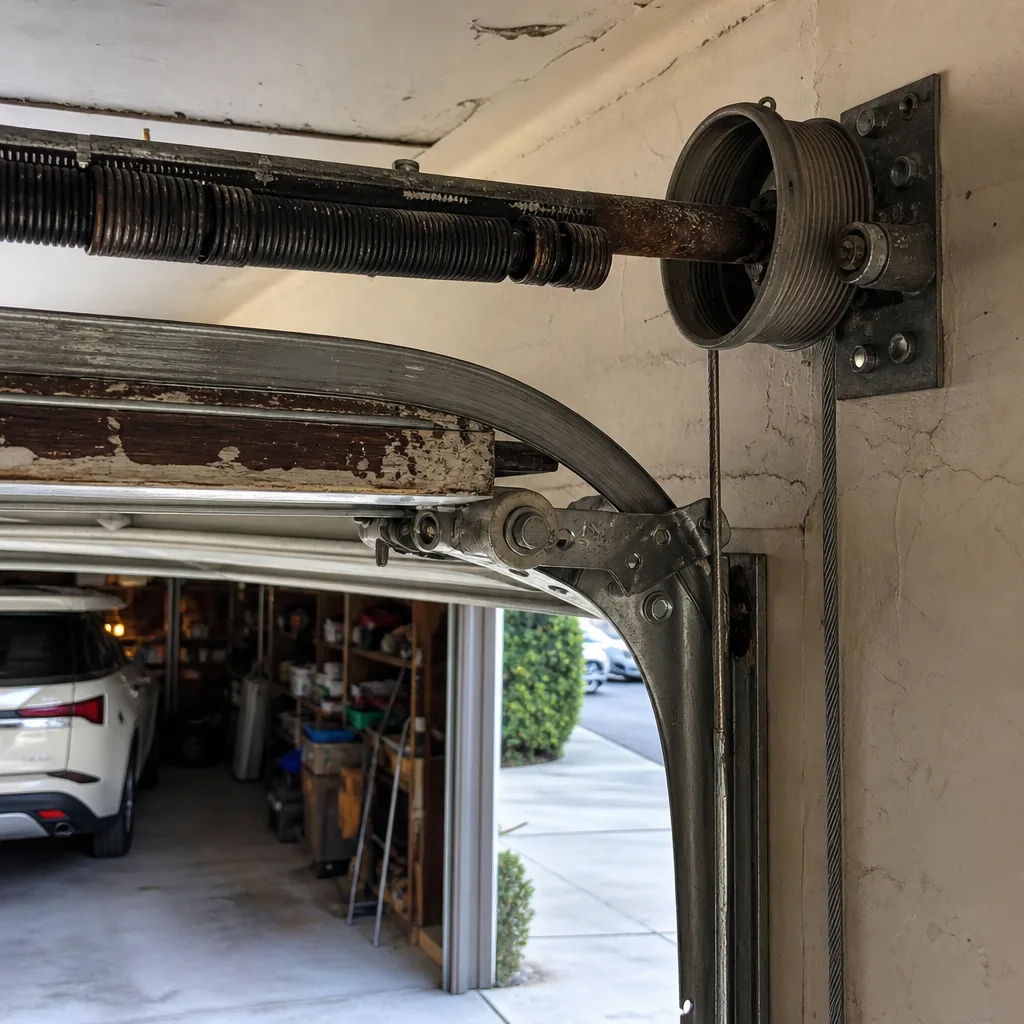 Before
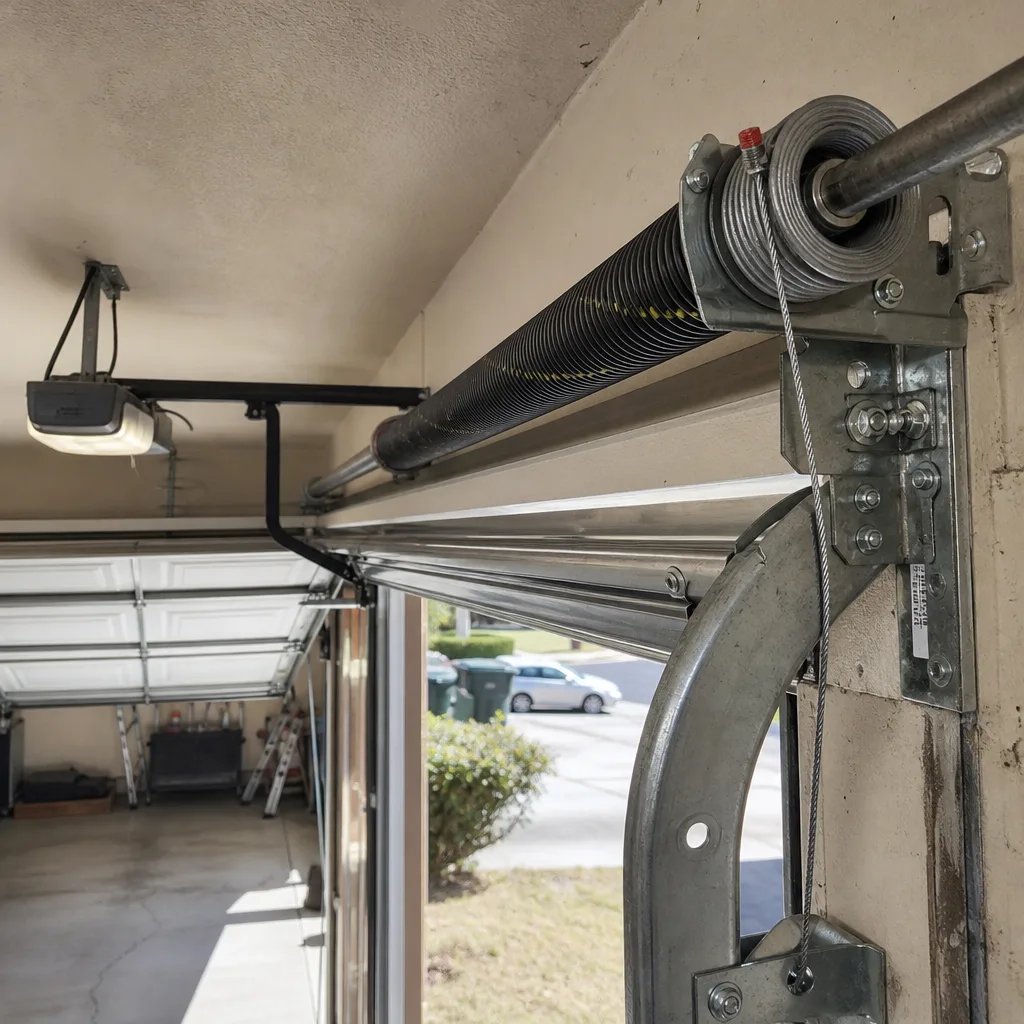 After
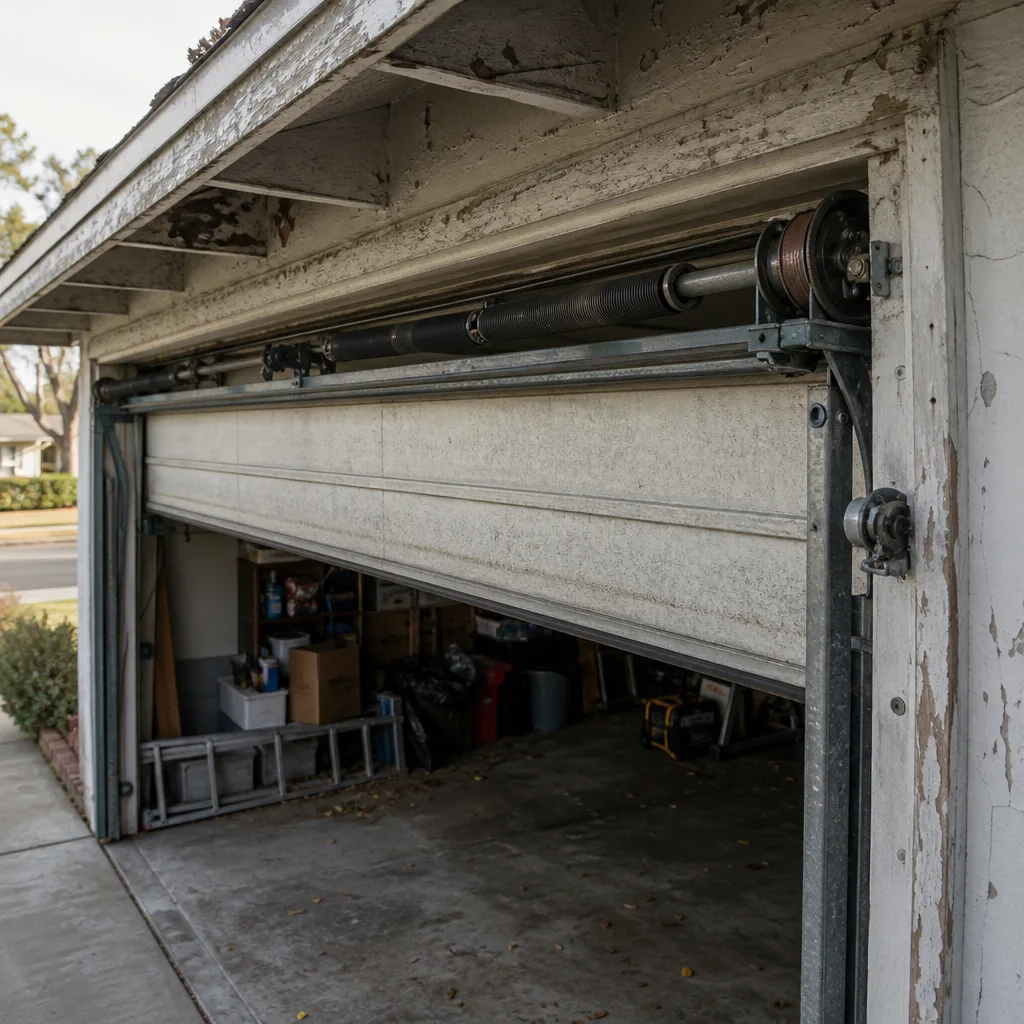 Before
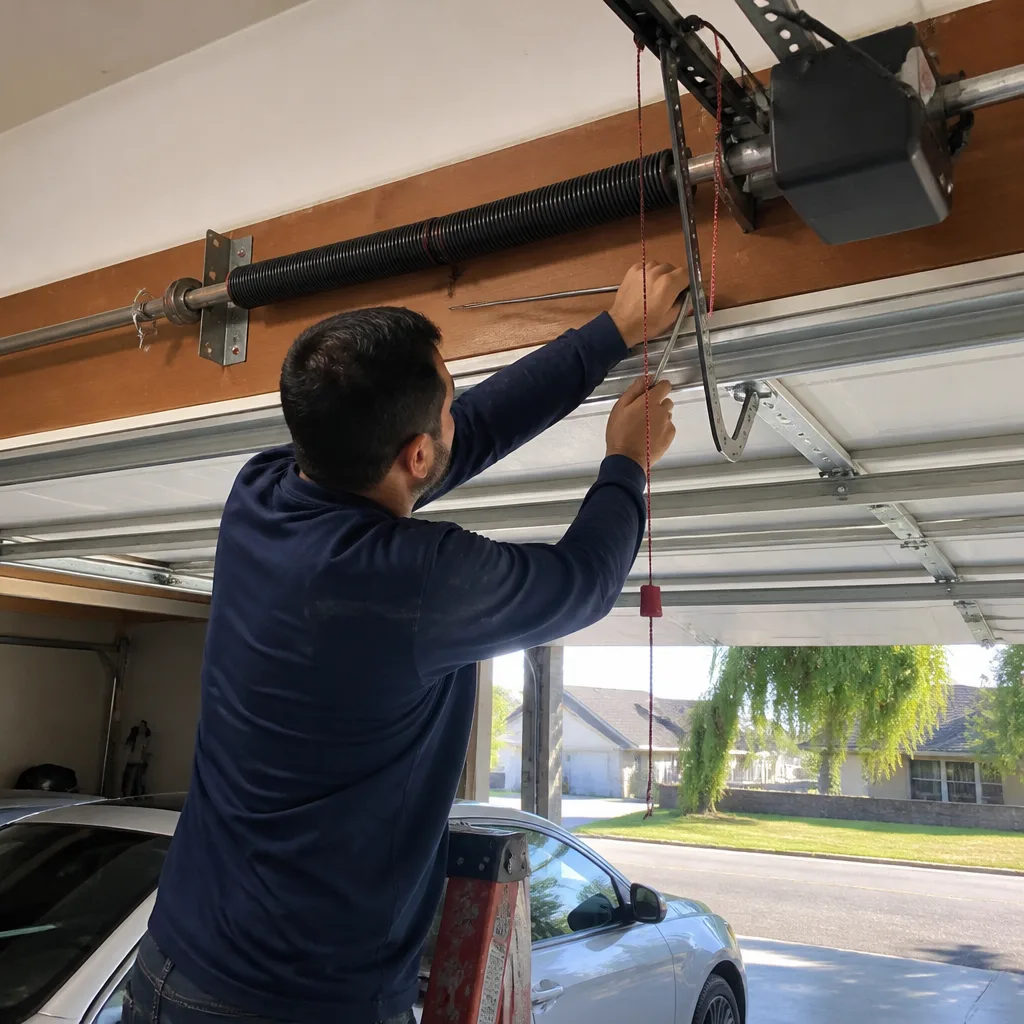 After
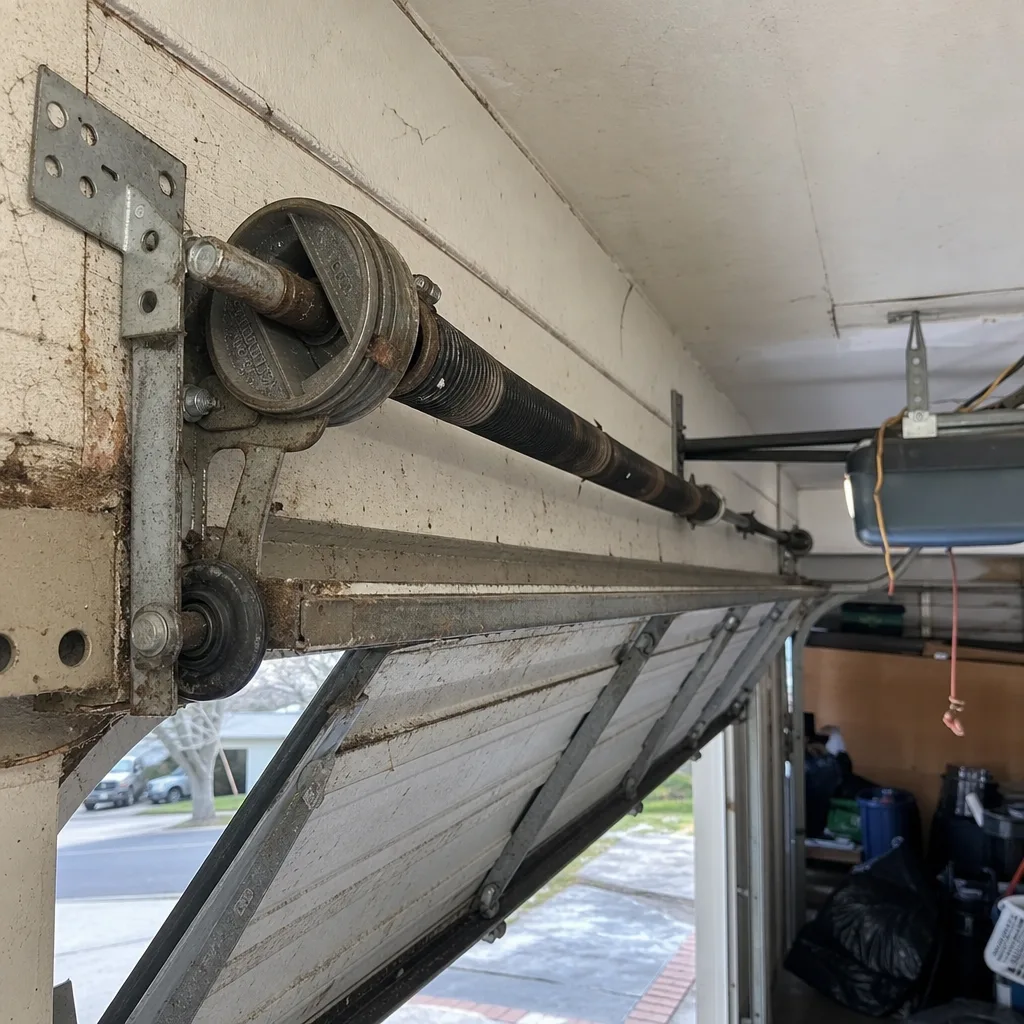 Before
 After